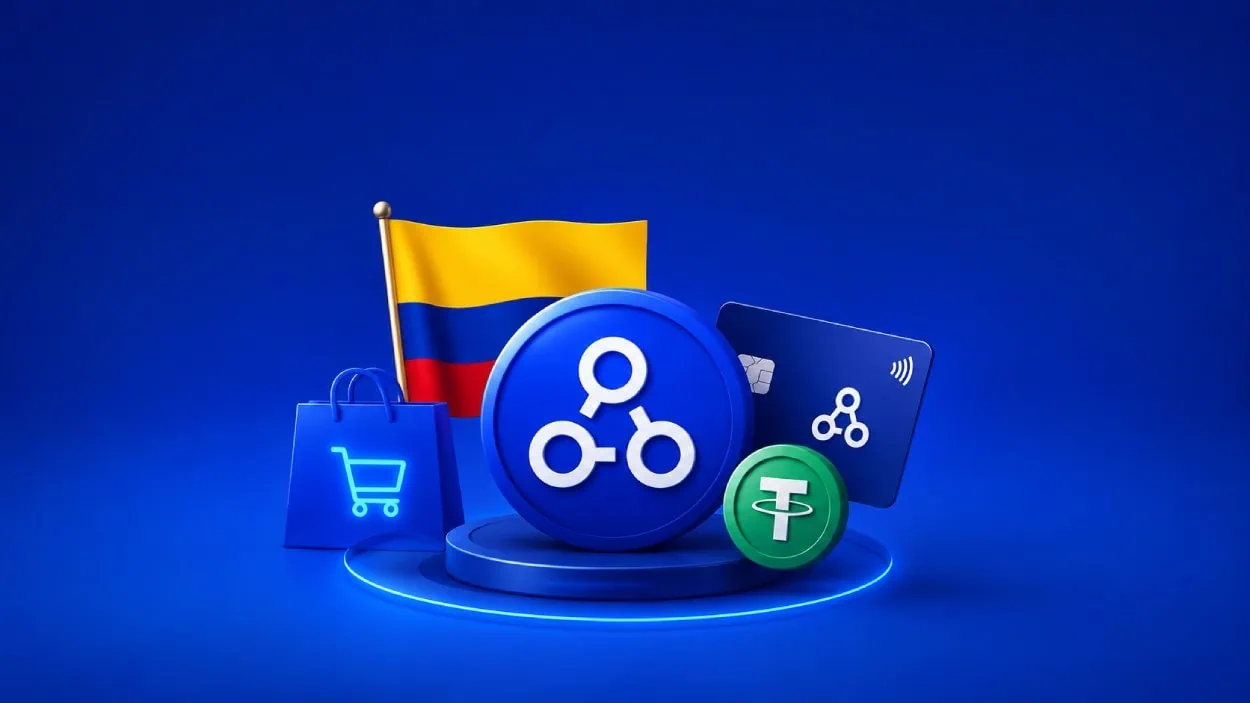






Oobit has launched its crypto payments platform in Colombia as stablecoin usage continues to grow across Latin America, signaling rising demand for digital dollar payments in daily life.
Key Takeaways
- Oobit has officially launched in Colombia, marking its ninth active market globally.
- Stablecoins, especially USDT, continue dominating crypto spending activity across Latin America.
- Brazil has recorded more than 200% growth in Oobit activity since November 2024.
- Grocery stores, restaurants, fuel stations, and retail shops are emerging as top crypto spending categories.
What Happened?
Tether backed crypto payments platform Oobit has expanded its services into Colombia, deepening its presence across Latin America as demand for stablecoin powered transactions accelerates in the region. The company already operates in Brazil, Argentina, and Chile, with Colombia now becoming its ninth live market.
The move comes as Latin America increasingly adopts stablecoins for practical financial use cases, including remittances, everyday purchases, and protection against local currency volatility.
JUST IN: Tether-backed Oobit expands its crypto payments platform into Colombia, enabling LATAM users to spend digital assets for groceries, dining, and everyday purchases. [no ticker] pic.twitter.com/DJL0KCAYaX
— Bpay News (@bpaynews) May 14, 2026
Colombia Emerges as a Major Stablecoin Market
Colombia has quietly become one of the most active stablecoin markets globally. According to data referenced by Oobit from Chainalysis, the Colombian peso ranks second worldwide in terms of centralized exchange stablecoin purchases by currency.
The trend reflects how many Colombian users are turning to dollar backed digital assets as a more stable financial alternative. Ongoing peso volatility and strong reliance on remittances have contributed to growing interest in stablecoins like USDT.
Rather than simply holding crypto assets for speculation, users in Colombia are increasingly using them for real world payments and financial transactions.
Oobit’s latest expansion appears focused on supporting this shift toward everyday crypto spending.
Oobit Targets Everyday Crypto Payments
Oobit operates as a non custodial crypto payments platform, allowing users to maintain control of their private keys while spending digital assets directly from their wallets.
The platform uses a Visa-linked payment network that is accepted at more than 150 million merchants across over 80 countries. Crypto is converted at the point of purchase, removing the need for manual bank transfers or traditional off ramps.
The company says this creates a smoother checkout process for users who want to spend crypto assets like cash.
Across Latin America, spending activity on the platform suggests users are already treating stablecoins as practical payment tools rather than investment assets.

Brazil Shows Growing Crypto Spending Demand
Brazil has become one of Oobit’s strongest performing markets since the company launched there in November 2024.
According to the company, activity in Brazil has grown more than 200%, with active users spending an average of around $400 monthly across roughly 20 transactions.
The spending behavior highlights increasing comfort with crypto based payments for routine purchases.
Oobit said grocery stores and supermarkets account for around 35% of all transactions across its Latin American markets. Restaurants, department stores, fast food outlets, beauty shops, fuel stations, and electronics retailers also make up a growing share of activity.
The company noted that USDT remains the dominant digital asset used on the platform, ahead of Oobit’s native token and USDC.
Stablecoin Competition Intensifies Across Latin America
Oobit’s Colombia launch comes as multiple fintech and crypto firms expand stablecoin payment services across Latin America.
Meta recently introduced stablecoin payouts for selected creators in Colombia and the Philippines, marking its return to digital currency related products after the collapse of its Libra initiative.
MoneyGram has also selected Colombia as the first market for its stablecoin remittance application, citing strong remittance demand and local currency instability.
At the same time, Mercado Libre has expanded stablecoin related services through its Meli Dollar token in countries including Brazil, Mexico, and Chile.
The broader stablecoin market has also continued growing rapidly. Recent DefiLlama data shows the global stablecoin market rising from approximately $243 billion to more than $322 billion.
Oobit CEO Amram Adar commented on the company’s regional expansion, stating:
CoinLaw’s Takeaway
In my experience, this is one of the clearest signs yet that stablecoins are moving beyond crypto trading and entering daily consumer finance. What stands out most is not the technology itself, but the spending behavior. People are buying groceries, paying for fuel, and handling routine expenses with digital dollars.
I found Colombia’s growing role especially important because it reflects how emerging markets are leading real world crypto adoption faster than many developed economies. If this momentum continues, stablecoins could become one of the biggest practical use cases for crypto over the next few years.