





Cloudflare, Inc. (NYSE: NET) on August 4, 2026, announced Cloudflare Wallets and cloudflare.pay, giving AI agents a stable identity and a stablecoin wallet to pay for APIs and content on their own. Wallet handle reservation opened the same day, with full wallet access following later.
Key Takeaways
- Cloudflare Wallets let account holders store stablecoins and create Virtual Wallets for their AI agents to spend.
- Virtual Wallets carry guardrails: a spending cap, an approved merchant list, and a maximum transaction size the agent cannot exceed.
- Cloudflare Wallet handle reservation opened today, and full wallet access, including onramping and offramping, arrives in the coming months.
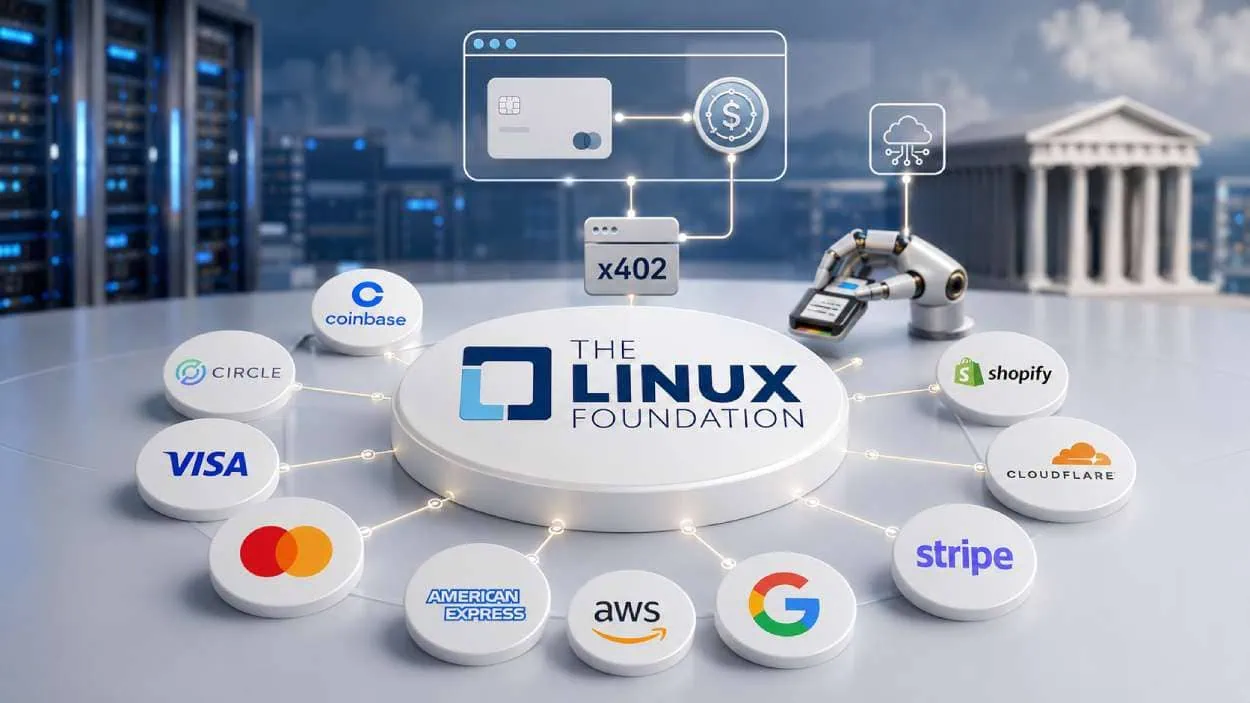
- Wallets are the payment mechanism needed to pay for services behind the Monetization Gateway and other x402-compatible endpoints, the rail that attaches stablecoin micropayments directly to HTTP requests.
- cloudflare.pay links each wallet to a Cloudflare account so agents can optionally reveal who they act for.
What Happened?
Cloudflare built Cloudflare Wallets and cloudflare.pay to give AI agents deployed on its network a stable identity and the ability to make purchases online within limits set by their human creators. Agents currently lack a stable identifier and a native way to pay, according to Cloudflare, so they hand registration and payment back to a human rather than testing an API on their own.
Wallets extends work already underway: Cloudflare Stablecoin AI Payments plans laid the payments groundwork, and per Cloudflare’s own account, the Coinbase Cloudflare Agentic Payments rollout proved agents would use a micropayment rail when one existed.
The Internet is shifting from human-driven browsing to agent-driven commerce, and the infrastructure needs to keep up, said Matthew Prince, co-founder and CEO of Cloudflare. He framed the goal as linking an agent to the human or organization that owns it, so that trust, accountability, and real commerce can follow.
Introducing Cloudflare Wallets. They will allow you to store stablecoins, purchase services, and receive funds across the web. https://t.co/ucAaoKMs4Q
— Cloudflare (@Cloudflare) August 4, 2026
Account Wallets, Virtual Wallets, and the x402 Rail
Account Wallets are built for the humans who own Cloudflare accounts, letting them add funds, delegate spend to agent-controlled wallets, and pull funds back. Virtual Wallets, built for the agents themselves, operate through API keys and spend only within the permissions the Account Wallet owner sets.
That structure pairs with Cloudflare’s Monetization Gateway, the seller-side tool announced earlier this month to let Cloudflare customers get paid for websites and applications via x402 micropayments. Together, Wallets and Monetization Gateway complete a two-sided agentic payment market, one rail for agents to buy, one for sites to sell, both settled in stablecoins per request rather than through a subscription or a stored card.
That design puts Cloudflare in direct proximity to the broader wallet market it now has to win agent-held balances from, the same autonomous finance market tracking software agents that transact without direct human input. Cloudflare is betting that removing signup friction, not adding generic storage, is what drives adoption for machine-held balances. An agent that can spend a few cents per API call without a signup form is more likely to use x402 at all.
Identity Is the Other Half of the Product
cloudflare.pay lets an agent optionally identify itself, since its identity is a delegate of the account that owns it; for example, a research agent could sit at research.example.cloudflare.pay. Disclosure stays optional; it will be up to individual businesses whether they prioritize transacting with agents that identify themselves.
That optionality is the more consequential half of the launch. A payment rail without an identity layer just moves the trust problem downstream to fraud teams; pairing the two lets a merchant price risk per agent instead of blocking automated traffic wholesale.

Implications for Agentic Commerce
Cloudflare sits at a chokepoint for a large share of global web traffic, which gives cloudflare.pay a plausible path to becoming a de facto identity standard for agents the way DNS became one for domains. If merchants start rewarding disclosed agents with better rate limits or pricing, undisclosed agents inherit a structural disadvantage. That is a soft compliance pressure Cloudflare did not have to write into policy.
The guardrail model also reframes what “agent autonomy” means for a compliance conscious buyer. A Virtual Wallet capped at a fixed allowance and an allow list is not full autonomy; it is delegated, bounded spend that a human can revoke instantly. That distinction matters for any business weighing whether to let an agent transact at all, since the risk exposure is the cap, not the agent’s judgment.
CoinLaw’s Takeaway
Cloudflare is not proposing a new stablecoin or a new chain. It is proposing plumbing: an identity handle and a spend capped wallet sitting in front of infrastructure a large share of the web already routes through. That positioning matters more than the feature list: a payments rail bundled into a CDN and bot management layer inherits distribution no standalone crypto wallet can match on day one.
The near term test is adoption, not technology. Wallet handle reservation opened today, but the parts that make the system usable, onramping, offramping, and Virtual Wallet issuance, are still “coming months” away.
Until agents can actually fund and spend from these wallets, the announcement is a claim on the agentic-commerce rail, not yet proof merchants and agents will use it over existing payment methods.