





Kraken is moving its wrapped asset infrastructure from LayerZero to Chainlink CCIP as security concerns around cross chain protocols continue to grow after recent industry exploits.
Key Takeaways
- Kraken has replaced LayerZero with Chainlink CCIP for its wrapped Bitcoin infrastructure.
- The exchange said the move is aimed at improving security, risk management, and institutional grade reliability.
- Several crypto protocols including Kelp DAO, Solv Protocol, and Re have also migrated away from LayerZero after the April exploit.
- The shift highlights rising demand for safer cross chain infrastructure across decentralized finance markets.
What Happened?
Crypto exchange Kraken announced that it is migrating its cross chain infrastructure from LayerZero to Chainlink’s Cross Chain Interoperability Protocol (CCIP). The migration will secure Kraken Wrapped Bitcoin (kBTC) and future wrapped assets issued by the exchange.
The move comes after growing scrutiny around bridge security following the massive Kelp DAO exploit in April, which triggered wider concerns across the decentralized finance sector.
Kraken is deprecating its existing cross-chain provider and migrating to @Chainlink CCIP as its exclusive cross-chain infra to secure Kraken Wrapped Bitcoin (kBTC) & all future Kraken Wrapped Assets.
— Kraken (@krakenfx) May 14, 2026
Kraken chose Chainlink CCIP because it offers enterprise-grade infrastructure…
Kraken Moves Wrapped Asset Infrastructure to Chainlink
Kraken confirmed that Chainlink CCIP will become the exclusive cross chain infrastructure provider for kBTC and upcoming wrapped token products. The migration will initially support transfers across Ethereum, Ink, Unichain, and Optimism, with more blockchain integrations expected later.
According to Kraken, the decision was based on Chainlink’s focus on enterprise grade infrastructure, strict risk management systems, and advanced security architecture.
The exchange highlighted several features behind the decision, including:
- Defense in depth security architecture.
- Independent node operators.
- Built in rate limits.
- Secure by default framework.
- Institutional compliance standards including ISO 27001 and SOC 2 Type 2 certifications.
Kraken stated that wrapped assets require infrastructure standards similar to institutional custody systems because of the large amount of value moving across blockchain networks.
LayerZero Faces Pressure After Kelp DAO Exploit
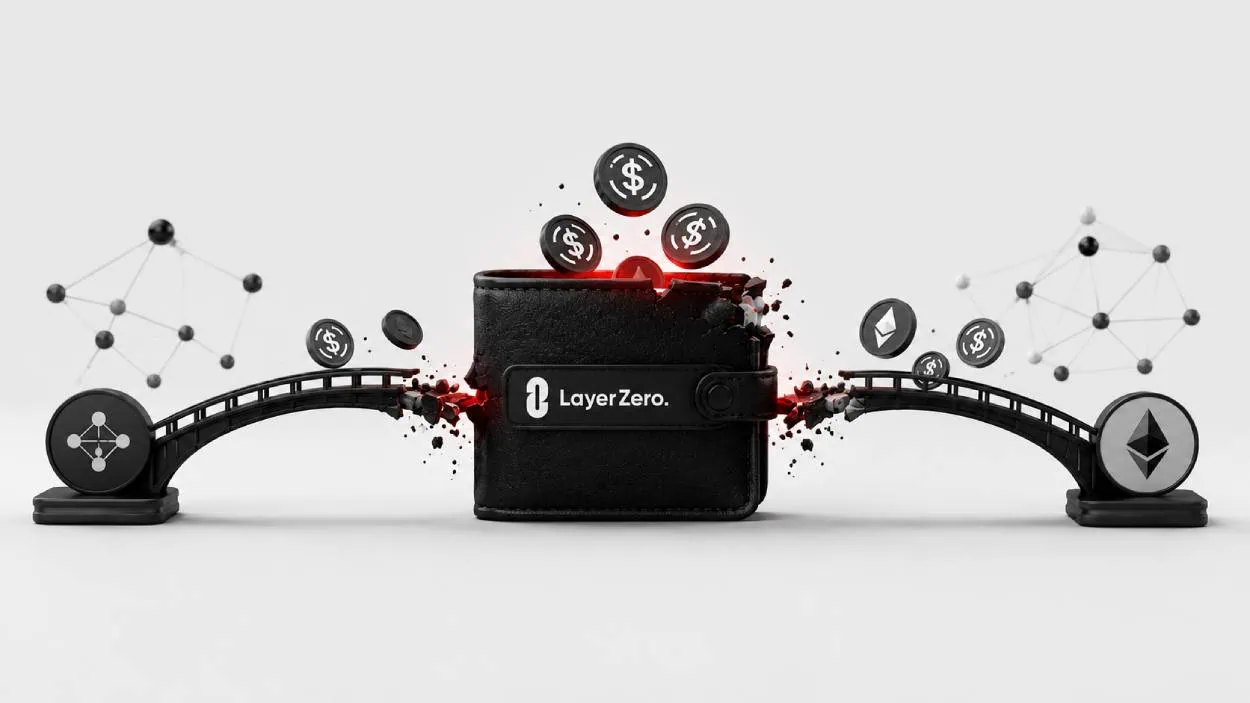
LayerZero has remained under pressure since the April exploit tied to Kelp DAO, where attackers reportedly stole around $292 million in liquid restaking assets. Reports linked the incident to actors suspected of having ties to North Korea’s Lazarus Group.
Following the exploit, LayerZero issued what it described as an “overdue apology,” admitting that its internal RPC systems had been attacked while external RPC providers faced denial of service attacks at the same time.
However, LayerZero also argued that the exploit was connected to Kelp DAO’s configuration setup. The company claimed the protocol relied on a single Decentralized Verifier Network (DVN) path instead of requiring multiple verification checks for cross-chain transactions.
Kelp DAO later announced plans to migrate its rsETH infrastructure to Chainlink CCIP and confirmed that it had burned more than 117,000 rsETH tokens tied to the exploit as part of recovery efforts.

More Protocols Are Leaving LayerZero
Kraken is not the only crypto platform moving away from LayerZero infrastructure.
Earlier this month, Solv Protocol announced it was migrating around $700 million in tokenized Bitcoin infrastructure to Chainlink CCIP. Onchain reinsurance platform Re also confirmed the migration of approximately $475 million in total value locked from LayerZero to Chainlink.
According to market reports, more than $3 billion in total value locked has already shifted toward CCIP infrastructure since the Kelp DAO incident.
The growing migration trend suggests that cross chain interoperability is becoming one of the most important infrastructure debates in crypto markets.
Chainlink Expands Beyond Oracle Services
The Kraken partnership also reflects Chainlink’s broader expansion strategy beyond oracle services.
Chainlink originally became known for delivering external market data to smart contracts. However, the company has increasingly positioned itself as a provider of institutional blockchain infrastructure, including interoperability systems, tokenization frameworks, and settlement solutions.
Chainlink said its infrastructure is already being explored or used by organizations including Swift, Euroclear, UBS, Fidelity International, Mastercard, ANZ, and J.P. Morgan Kinexys.
Johann Eid, Chief Business Officer at Chainlink Labs, said the Kraken migration reflects increasing institutional demand for secure interoperability systems capable of supporting enterprise level blockchain operations.
CoinLaw’s Takeaway
In my experience, cross chain bridges have remained one of the weakest points in crypto infrastructure for years. Every major exploit pushes exchanges and DeFi protocols to rethink whether speed and expansion were prioritized too aggressively over security.
I found Kraken’s move particularly important because it signals that institutional level standards are slowly becoming mandatory for crypto infrastructure providers. This is no longer just about moving assets between blockchains. It is becoming a competition over trust, resilience, and long term reliability. The platforms that can offer stronger operational security will likely dominate the next phase of tokenized finance.