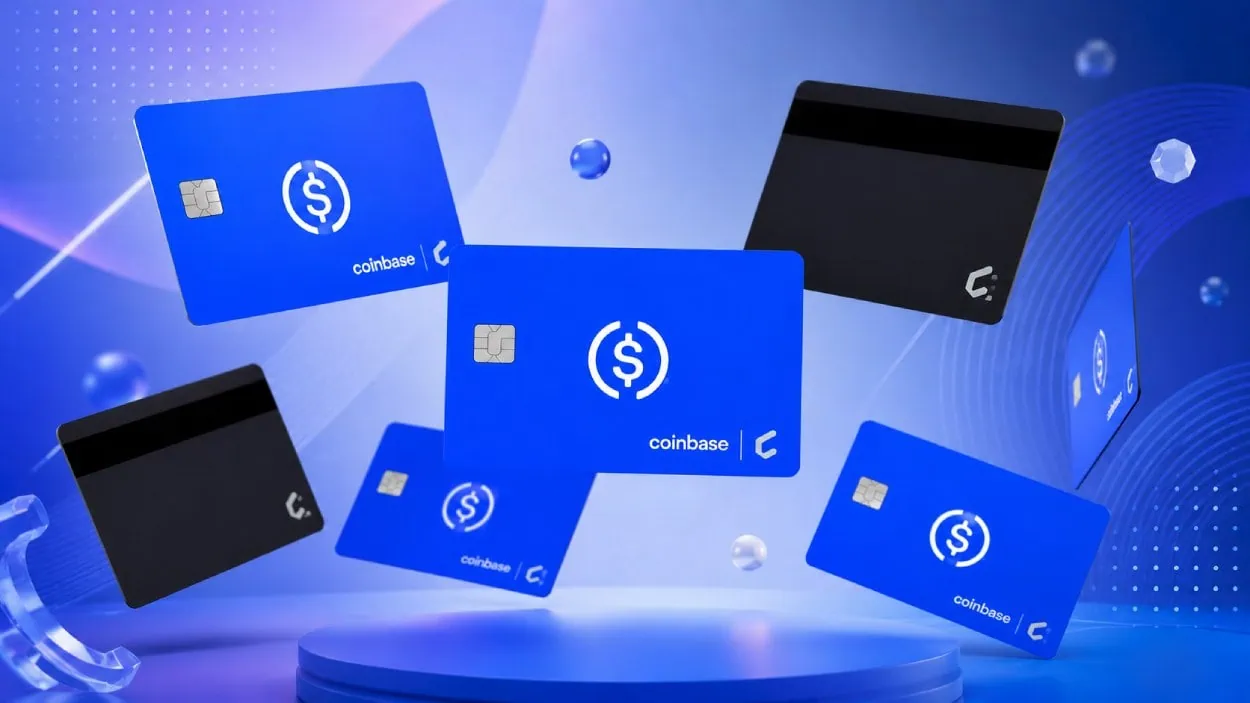






Coinbase has partnered with Cardless to launch a new credit card backed by USDC holdings, giving users another way to access credit without relying solely on traditional credit history.
Key Takeaways
- Coinbase and Cardless have launched a USDC backed credit card for users who may not qualify for traditional unsecured credit.
- Cardholders can use a portion of their USDC holdings as collateral while continuing to earn yield on those funds.
- The card carries a $49.99 access fee and builds on the companies’ existing partnership.
- The move highlights the growing integration of crypto assets and traditional financial services.
What Happened?
Coinbase and financial technology company Cardless have introduced a new credit card that allows customers to use their USDC stablecoin holdings as collateral to secure a credit line. The product is designed for people who may struggle to qualify for conventional unsecured credit cards but have accumulated digital assets on Coinbase.
Unlike traditional secured credit cards, the new offering allows users to continue earning yield on the USDC set aside as collateral, creating an additional incentive for stablecoin holders seeking access to credit.
🚨 COINBASE INTRODUCES CREDIT CARD BACKED BY USDC
— Coin Bureau (@coinbureau) June 9, 2026
Coinbase and Cardless are launching a credit card that lets people use USDC holdings as collateral for credit.
The product is designed for users who may not qualify through traditional credit checks but already hold stablecoins… pic.twitter.com/SADEvCekoh
Coinbase and Cardless Expand Their Partnership
The launch marks the latest development in the relationship between Coinbase and Cardless. The two companies previously teamed up in September to introduce a Coinbase branded card in partnership with American Express. That product offered users up to 4% cashback in Bitcoin on eligible purchases.
While the earlier card focused on rewards, the new USDC backed credit card is aimed at expanding access to credit. Cardless has not disclosed how many cards have been issued through the previous program, but the company views the latest product as an extension of its effort to bring more flexible credit solutions to consumers.
Cardless has experience building co-branded credit card programs for major brands, including Qatar Airways and Alibaba, giving the company a strong background in developing specialized financial products.
How the USDC Collateral Model Works?
Under the new structure, applicants allocate a portion of their USDC holdings on Coinbase as collateral against their credit line. If approved, they receive access to a functioning credit card without relying entirely on a traditional credit profile.
According to Cardless co-founder Michael Spelfogel, the card is intended for customers across different financial backgrounds. Spelfogel said:
The approach could be particularly attractive to crypto users who have built significant digital asset holdings but lack the long credit histories often required by banks. Rather than selling their assets to access liquidity, users can leverage their USDC holdings while maintaining exposure to the stablecoin.

Yield Earning Feature Sets Product Apart
One of the most notable aspects of the card is that customers continue earning yield on the USDC held as collateral.
Traditional secured credit cards typically require a cash deposit that remains largely inactive while securing the account. In contrast, the Coinbase and Cardless product allows the collateralized USDC to remain productive while supporting the credit line.
Cardholders are required to pay a $49.99 access fee for the product. However, the ability to earn yield on collateral may help differentiate it from conventional secured card offerings.
The structure also reflects how crypto-based financial products are increasingly borrowing concepts from decentralized finance while packaging them into more familiar consumer services.
Crypto Assets Gain a Larger Role in Consumer Finance
The introduction of a USDC backed credit card underscores the growing convergence between digital assets and traditional financial infrastructure. By using stablecoins as collateral for borrowing, Coinbase and Cardless are offering a practical use case beyond trading, payments, or passive yield generation.
Cardless has argued that traditional credit systems remain rigid and heavily dependent on bank driven underwriting models. The company believes businesses should have greater flexibility to design financial products around customer needs.
As more consumers accumulate digital assets, products like the new Coinbase card could create additional pathways for accessing credit, particularly for individuals with limited borrowing histories. The launch also signals a broader shift toward recognizing crypto holdings as part of a person’s financial profile rather than treating them as separate from mainstream finance.
CoinLaw’s Takeaway
In my experience, one of the biggest barriers facing younger consumers and crypto users is that traditional credit systems often fail to recognize assets held outside conventional banking channels. I found Coinbase’s latest move interesting because it gives stablecoin holders a way to unlock credit access without selling their assets. The ability to continue earning yield on collateralized USDC makes this product stand out from many secured cards currently available. If this model gains traction, it could push more financial institutions to rethink how creditworthiness is evaluated in a digital asset economy.