





TRON has integrated with Hyperlane, enabling connectivity to more than 150 blockchains and strengthening its cross chain capabilities.
Key Takeaways
- TRON is now connected to over 150 blockchains through its integration with Hyperlane.
- Developers can transfer not just assets but also data and instructions across chains.
- The move positions TRON as a potential interchain stablecoin hub.
- Strong fundamentals and recent developments boost institutional confidence.
What Happened?
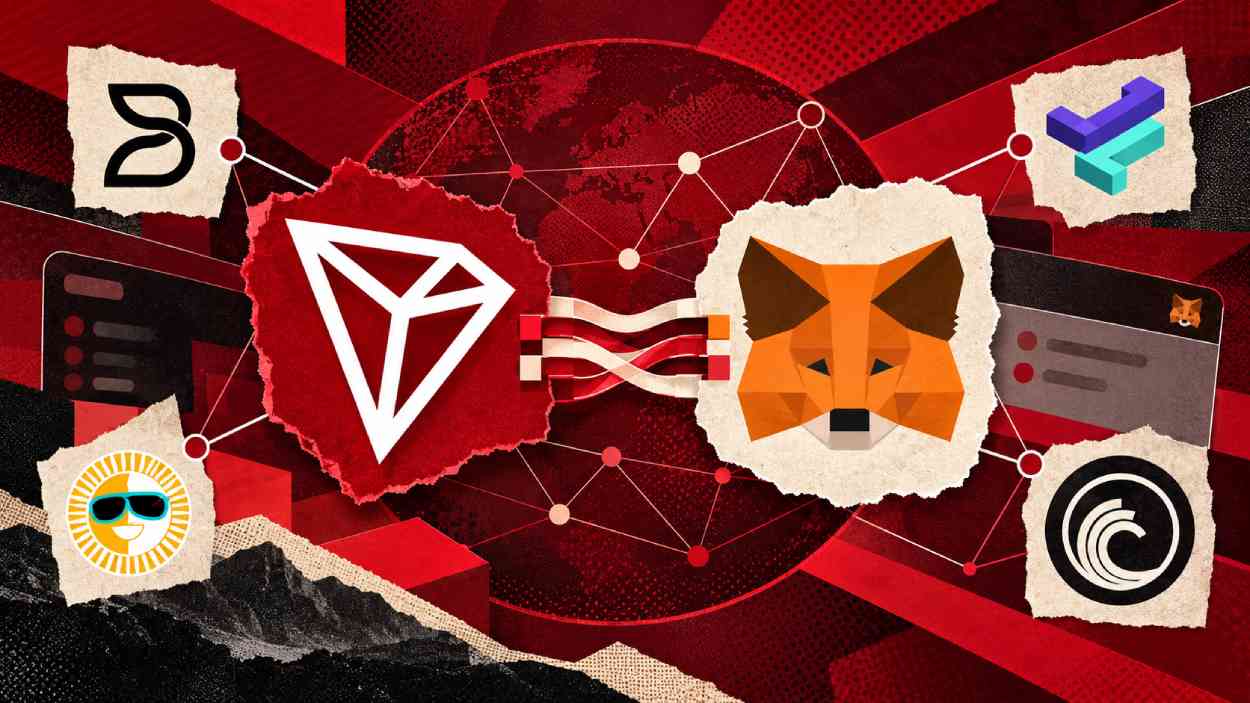
TRON DAO announced that the TRON Network has integrated with Hyperlane, a permissionless cross chain messaging protocol. The integration allows developers to build applications that operate seamlessly across multiple blockchain ecosystems.
Unlike traditional bridges, Hyperlane enables cross chain communication for assets, data, and smart contract execution, unlocking a broader set of use cases for developers and users.
— Hyperlane ⏩ (@hyperlane) April 8, 2026
TRON Unlocks Cross Chain Capabilities
With this integration, TRON gains access to Hyperlane’s interoperability framework, connecting it to more than 150 chains. This marks a major step toward a more connected blockchain ecosystem.
Developers can now:
- Build fully composable decentralized applications across multiple chains.
- Enable cross-chain stablecoin transfers and interchain deposits.
- Launch multichain governance systems and native assets across ecosystems.
- Use Hyperlane Warp Routes for seamless token transfers.
Because Hyperlane operates in a permissionless environment, developers do not need approval to connect TRON with other supported chains. This removes friction and speeds up development across networks.
Focus on Stablecoin Dominance
The integration highlights TRON’s growing role in the stablecoin market. The network already processes a significant share of global stablecoin activity.
Jon Kol, Co-Founder of Hyperlane said:
With access to cross chain infrastructure, developers from other ecosystems can now tap into TRON’s deep stablecoin liquidity, potentially transforming it into an interchain liquidity hub.
Justin Sun, Founder of TRON, said:

Strong Network Fundamentals Support Growth
TRON enters this expansion phase with solid on chain metrics and adoption trends.
- The network holds around 86 billion dollars in stablecoin supply.
- It accounts for more than 52 percent of total USDT circulation.
- It processed over 341.9 million transactions in January alone, marking strong year on year growth.
These figures reinforce TRON’s position as a leading settlement layer for stablecoin transactions.
Institutional and Strategic Developments
Several major developments in early 2026 have strengthened TRON’s outlook:
- AI Fund Expansion: TRON increased its AI fund from 100 million dollars to 1 billion dollars, focusing on autonomous on chain payment systems.
- Anchorage Custody: Anchorage became the first US federally chartered bank to offer custody and staking for TRX, opening doors for institutional participation.
- SEC Case Resolution: Legal clarity improved after personal claims against Justin Sun were dismissed, boosting confidence.
- Network Upgrade: The “Democritus” upgrade enhanced security and compatibility for advanced applications, including AI focused use cases.
These developments, combined with the Hyperlane integration, create a strong foundation for long term ecosystem growth.
Market Performance and Debate
TRON’s native token TRX has shown relative stability compared to other cryptocurrencies. It is down around 13 percent from its all time high, significantly outperforming many altcoins that have seen steep declines.

However, concerns remain. Reports suggest that Justin Sun may control a large portion of the token supply, raising questions about potential market influence. This introduces an ongoing debate about whether TRX stability is driven by organic demand or concentrated holdings.
CoinLaw’s Takeaway
In my experience, interoperability is where the real battle in crypto is happening right now, and TRON is making a smart move at the right time. I found this integration particularly important because it shifts TRON from being just a high volume stablecoin chain to a serious cross chain liquidity hub.
At the same time, I think the concerns around token concentration cannot be ignored. While the fundamentals look strong, true decentralization and transparency will be key if TRON wants long term trust from institutions and users alike.