





The UK’s financial watchdog has warned Premier League clubs that partnerships with unauthorized crypto firms could expose fans to financial harm while creating legal and reputational risks for football teams.
Key Takeaways
- The UK Financial Conduct Authority has warned football clubs about sponsorship deals with unauthorized crypto firms.
- Regulators believe some crypto companies may be using football partnerships to market financial products without proper UK authorization.
- Fans who use unregulated platforms could lose their funds and may not have access to regulatory protections.
- The warning comes as the UK prepares a broader crypto regulatory framework set to roll out over the next two years.
What Happened?
The UK Financial Conduct Authority (FCA) has raised concerns over sponsorship agreements between football clubs and crypto firms that are not authorized to provide financial services in Britain. The regulator said some companies may be leveraging football sponsorships to gain credibility and reach millions of supporters despite operating outside the country’s regulatory framework.
The warning was sent to Premier League clubs and other football organizations as part of the FCA’s broader effort to strengthen oversight of crypto related promotions and financial products.
UK FCA: Football Clubs Face Legal and Money Laundering Risks From Unauthorized Crypto Sponsors
— Wu Blockchain (@WuBlockchain) June 3, 2026
Reuters reported that the UK Financial Conduct Authority warned Premier League and other football clubs that sponsorship deals with unauthorized crypto firms and trading platforms… pic.twitter.com/3AmIjUvlvx
FCA Warns Clubs About Unauthorized Crypto Partners
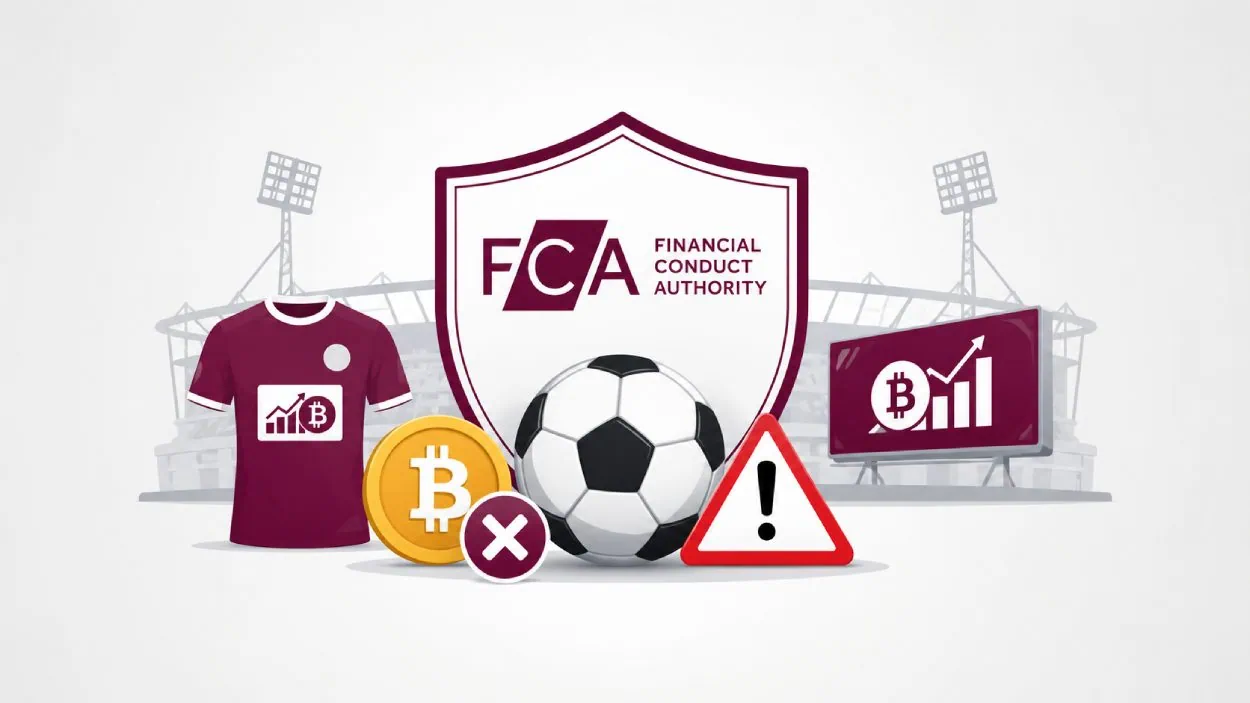
Crypto sponsorships have become increasingly common across English football, appearing on team shirts, stadium advertising boards, digital content, and other commercial assets. While these deals provide clubs with valuable revenue, regulators are concerned that some companies may be using football partnerships to promote financial products without the required authorization.
According to the FCA, firms that are not authorized in the UK could be breaching financial promotion rules if they use football sponsorships to market their services to British consumers.
Lucy Castledine, the FCA’s director of consumer investments, emphasized the responsibility clubs have toward their supporters.
The regulator confirmed it has already contacted clubs where concerns were identified and said further action could be taken where necessary.
Fans Face Greater Financial Risks
One of the FCA’s biggest concerns is the trust supporters place in their football clubs. Regulators believe fans may assume that a company displayed on a shirt, stadium billboard, or club website has already been vetted and approved.
That perception could encourage supporters to use platforms that operate outside UK regulations. The FCA warned that customers who use unauthorized crypto firms risk losing all of their money and may not have access to standard complaint procedures or compensation schemes available through regulated providers.
The regulator also noted that sponsorship income from unauthorized firms could create additional legal and financial crime concerns. In some circumstances, money received from such companies could raise questions around money laundering risks and the source of funds.

Crypto Sponsorships Draw Growing Scrutiny
Several major football clubs have entered sponsorship agreements with crypto exchanges and trading platforms in recent years. Reports have highlighted partnerships involving companies such as BingX, OKX, and VT Markets.
The FCA did not publicly identify every agreement under review, but it made clear that clubs should strengthen due diligence procedures and carefully assess whether sponsors are authorized to target UK consumers.
The warning also arrives as regulators continue to examine lessons learned from the collapse of FTX, which intensified concerns about consumer protection across the digital asset sector.
Sponsorship Revenue Remains Vital for Clubs
Despite regulatory concerns, sponsorship income remains a critical source of revenue for football clubs. According to Deloitte figures cited in reports, Manchester City generated €408 million in commercial revenue during 2025, surpassing its €332 million in broadcasting income.
UK Sports Minister Stephanie Peacock acknowledged the importance of sponsorship revenue while stressing the need for accountability.
The balancing act between commercial growth and consumer protection is likely to become a major topic as regulators increase scrutiny of sports sponsorships linked to financial products.
UK Crypto Rules Continue to Take Shape
The FCA’s latest warning comes as the UK moves closer to implementing a comprehensive regulatory framework for digital assets.
Earlier this year, the regulator launched consultations covering stablecoins, crypto trading platforms, custody services, and staking activities. These proposals are intended to help establish clear rules for how crypto businesses will operate under future legislation.
Under the current timeline, crypto firms will be able to apply for UK authorization starting September 30, 2026. The full cryptoasset regulatory regime is expected to take effect on October 25, 2027.
The FCA has repeatedly stated that its goal is to ensure UK consumers interact with authorized firms and have access to the information needed to make informed financial decisions.
CoinLaw’s Takeaway
In my experience, this warning is about much more than football sponsorships. The FCA is sending a clear message that brand trust cannot be used as a shortcut around financial regulation. Football clubs have built deep relationships with their supporters over decades, and regulators want to ensure that trust is not used to promote products that may expose fans to significant financial risks. I believe this could be the beginning of much closer scrutiny of crypto sponsorships across sports as the UK prepares to introduce its full crypto regulatory framework.