





Bybit has launched a new AI-focused infrastructure layer that allows traders to build and deploy automated multi agent trading systems using natural language.
Key Takeaways
- Bybit introduces Model Context Protocol to support AI driven trading systems.
- Traders can use AI agents like ChatGPT and Claude without complex API setup.
- MCP enables real time data access, trade execution, and portfolio management.
- The system focuses on automation, scalability, and user controlled security.
What Happened?
Bybit has announced the release of its Model Context Protocol, a new infrastructure designed to support AI powered trading. The company said this system allows traders and developers to build automated trading setups using multiple AI agents without needing custom integrations.
The launch reflects a broader shift toward AI-native systems in crypto trading, where automation and continuous decision making are becoming essential.
A Shift Toward AI-Native Trading Systems
Bybit is positioning MCP as a foundational layer for the next phase of trading technology. Traditional exchange systems were designed for manual use, but AI-driven workflows require infrastructure that can operate continuously and scale efficiently.
The Model Context Protocol introduces a standardized way for AI agents to connect with trading systems, access data, and execute actions. This removes the need for developers to build custom integrations for each tool or platform.
According to Victor Wu, Head of AI Agent Architecture at Bybit, the focus is not just on adding AI features but building a complete infrastructure for AI led trading. He said:
Core Features of Bybit MCP
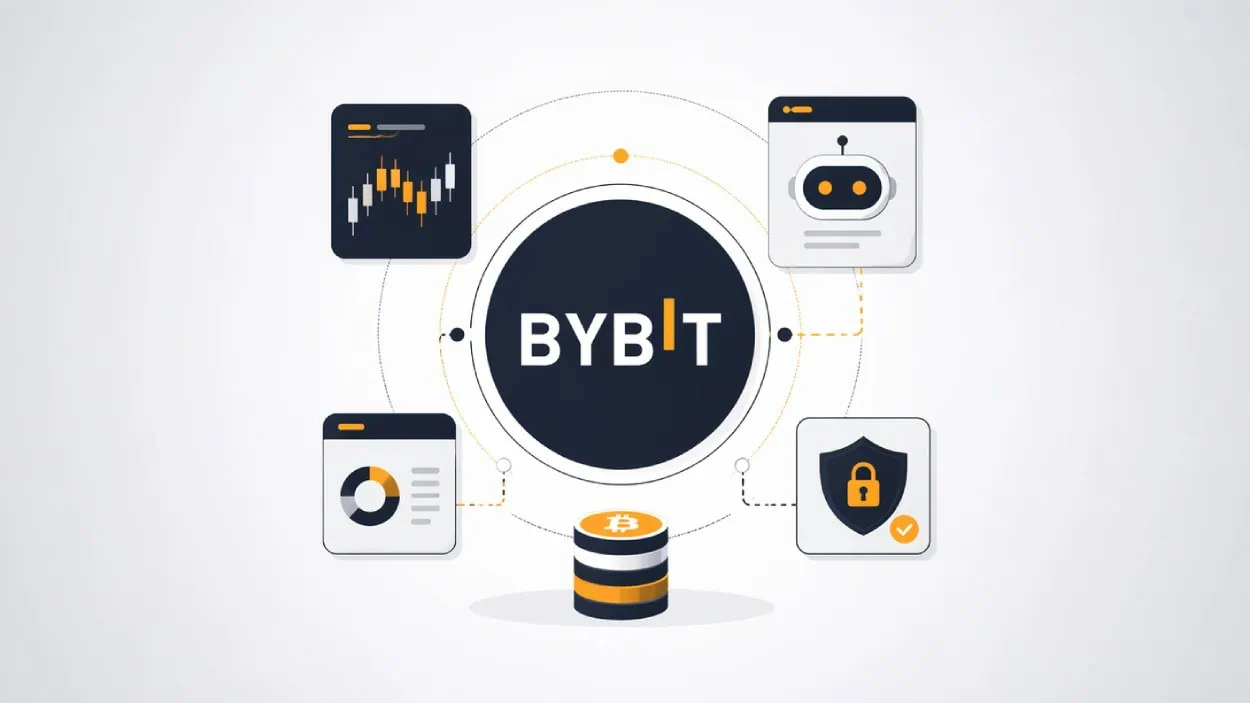
The new MCP framework includes several key modules that allow AI agents to manage the entire trading process:
- Market Data Access:
AI agents can retrieve real time price data, order books, candlestick charts, and fee structures. This helps them make informed decisions based on live market conditions. - Trading Capabilities:
The system supports spot trading, futures contracts, and advanced order types such as stop loss and take profit. This module is expected to expand further. - Account and Portfolio Management:
Traders can monitor balances, open positions, and transaction history. AI agents can use this information to adjust strategies dynamically. - Real Time Data Streams:
WebSocket based streaming allows continuous updates on market movements and trade execution, enabling faster and more responsive automation.
Together, these features allow users to create complex trading systems that operate across the full cycle from data analysis to execution.

Focus on Security and User Control
Bybit has emphasized that the MCP system is designed with strong security principles. One of the key aspects is credential isolation, ensuring that sensitive data remains under user control.
- API keys are stored on the user’s infrastructure, not on Bybit systems.
- Permissions can be customized, including read only or full trading access.
- Traders can test strategies in a simulated environment before using real funds.
- The system runs locally, reducing reliance on third party intermediaries.
This approach aims to give users confidence while deploying automated strategies at scale.
Availability and Developer Access
Bybit confirmed that MCP is available immediately for developers and professional traders. The company has released documentation, code samples, and integration guides to support adoption.
The infrastructure is compatible with popular AI platforms, including ChatGPT, Claude, and Cursor, allowing users to build systems using tools they are already familiar with.
CoinLaw’s Takeaway
In my experience, this move by Bybit feels like a major step forward for crypto trading. Most platforms are still experimenting with AI features, but Bybit is clearly thinking bigger by building the foundation itself. I found the focus on multi agent systems especially interesting because it opens the door to highly advanced strategies that were previously difficult to manage.
If this approach gains traction, we could see a shift where AI becomes the primary interface for trading rather than humans clicking through dashboards. That would completely change how markets operate.