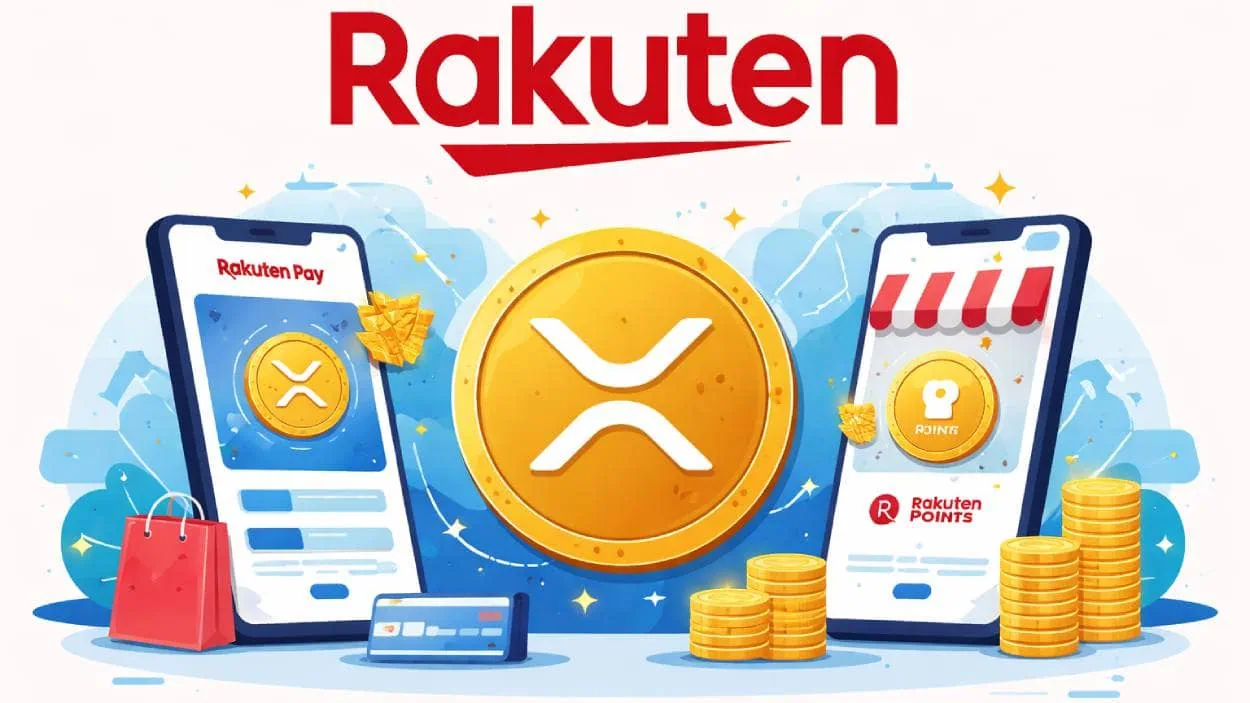






Rakuten is expanding its crypto offering by integrating XRP into its payment ecosystem, allowing millions of users to trade, spend, and convert loyalty points into digital assets.
Key Takeaways
- Rakuten introduces XRP to its payment app, reaching over 44 million users in Japan.
- Users can pay, trade, and convert loyalty points into XRP within a single platform.
- The move connects payments, rewards, and crypto trading into one ecosystem.
- Industry experts say major firms are adopting crypto to stay competitive in Web3 markets.
What Happened?
Japanese e-commerce giant Rakuten has announced the integration of XRP into its Rakuten Pay platform. This allows users to make payments, conduct spot trades, and convert loyalty points into XRP, all within one application.
The move reflects a broader push by major Japanese corporations to expand into crypto services as digital assets become more embedded in everyday financial activity.
— Tats (@tatsuya_kohrogi) April 13, 2026
Rakuten Expands Its Crypto Ecosystem
Rakuten’s latest update brings crypto closer to daily use by embedding XRP directly into its widely used payment app. With 44 million users and access to more than 5 million merchants across Japan, the integration creates a large scale real world use case for crypto.
Users can now:
- Pay for goods and services using XRP.
- Trade XRP directly within the app.
- Convert Rakuten loyalty points into XRP.
- Store assets in Rakuten Wallet.
This approach transforms Rakuten Pay into a hybrid platform combining payments, investing, and rewards, reducing the need for separate crypto exchanges.
According to Tatsuya Kohrogi:
Loyalty Points Meet Blockchain
One of the most notable aspects of this move is the integration of XRP into Rakuten’s massive loyalty system. The company has distributed over 3 trillion loyalty points, valued at approximately $23 billion, which can now be converted into crypto.
This creates a new level of flexibility for users:
- Loyalty points gain liquidity and transferability.
- Users can enter crypto markets without direct cash investment.
- Everyday rewards become part of a digital asset ecosystem.
This model could reshape how consumers perceive reward systems, turning points into assets that can be traded or spent beyond traditional limitations.

Competition Drives Crypto Adoption
Rakuten’s expansion comes amid increasing competition among Japanese firms entering the crypto space. Rival platforms like Mercari have already launched crypto trading services, gaining millions of users in a short time.
Industry experts believe this trend is driven by the need to retain customers in an evolving digital economy. Shiv Shankar, CEO of Boundless and former Coinbase Japan executive, said:
Data also shows that around 50 percent of new crypto investors in Japan have used Rakuten Wallet or similar platforms, highlighting the growing influence of non traditional players in the crypto market.
XRP Gains Institutional Momentum
Rakuten’s decision to focus on XRP signals growing confidence in established digital assets. Japan’s regulatory environment tends to favor large, well known tokens with strong track records, making XRP a strategic choice.
Ripple has welcomed the development, calling it a major milestone for adoption. Kohrogi described the integration as “one of the most significant XRP milestones,” adding that embedding the asset into a trusted consumer platform is “a powerful signal of where digital asset adoption is heading.”
The move also reinforces XRP’s position as one of the most actively traded cryptocurrencies in Japan, with strong presence on local exchanges.
CoinLaw’s Takeaway
In my experience, this is exactly how crypto adoption should evolve. Instead of forcing users to learn complex systems, Rakuten is quietly embedding crypto into tools people already use every day. I found this approach far more practical than standalone exchanges trying to attract beginners.
What stands out to me is the loyalty points angle. Turning reward points into a tradable asset is a smart move that lowers the entry barrier. It makes crypto feel less risky and more like a natural extension of digital finance.
If more companies follow this model, we could see crypto shift from a speculative asset to a true everyday utility, and this time it might actually stick.