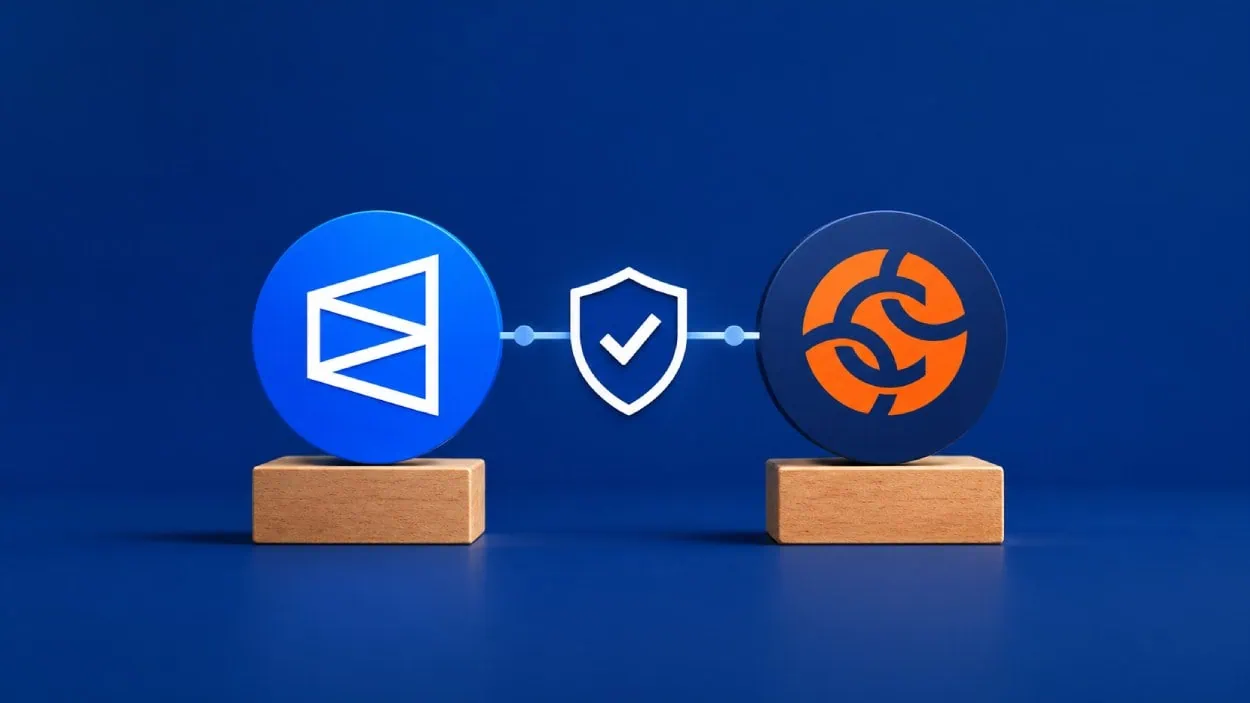






Polymarket has partnered with Chainalysis to deploy advanced onchain monitoring tools aimed at detecting insider trading and improving market integrity.
Key Takeaways
- Polymarket selects Chainalysis to introduce advanced blockchain surveillance tools.
- New anomaly detection models aim to identify insider trading patterns.
- Platform recently flagged suspicious trades tied to a high profile insider case.
- Move signals stronger compliance push as prediction markets gain traction.
What Happened?
Polymarket announced a partnership with Chainalysis to integrate blockchain analytics and monitoring tools across its platform. The move comes as the company looks to strengthen compliance, prevent fraud, and reinforce trust among users.
The upgrade follows a recent insider trading case tied to the platform, highlighting the need for stronger detection and enforcement systems.
⚡️JUST IN: Polymarket partners with Chainalysis to monitor insider trading and market manipulation as it seeks to raise $400 MILLION and relaunch in the U.S. pic.twitter.com/KTdWy8iryR
— Coin Bureau (@coinbureau) April 30, 2026
Polymarket Strengthens Market Integrity With Chainalysis
Prediction market platform Polymarket has partnered with blockchain analytics firm Chainalysis to roll out a comprehensive onchain surveillance system. The integration includes investigative tools, security products, and data analytics designed to monitor trading activity in real time.
At the core of this collaboration is a custom anomaly detection model built using Chainalysis Data Solutions. This system is specifically designed to identify patterns that may indicate insider knowledge or market manipulation, a growing concern as prediction markets expand in size and influence.
Polymarket operates entirely onchain, meaning every trade, position, and settlement is recorded on a public blockchain. This structure already offers a high level of transparency, but the company is now adding active monitoring and enforcement tools to turn that transparency into a practical safeguard.
Insider Trading Case Accelerates Compliance Push
The partnership comes shortly after a major insider trading case linked to the platform. Authorities arrested an active duty U.S. Army soldier accused of using confidential information to place bets on markets related to Nicolás Maduro.
The individual allegedly placed more than $33,000 in trades and generated nearly $410,000 in profits. According to reports, Polymarket detected the suspicious activity internally and reported it to authorities before the arrest was made.
This case has become a defining moment for the platform, pushing it to adopt institutional grade compliance standards and demonstrate its ability to monitor and prevent abuse.

Growth, Regulation, and Institutional Ambitions
Polymarket’s rapid growth has brought both opportunity and scrutiny. The platform gained mainstream attention during major political events and has since seen weekly trading volumes approach or exceed $1 billion in 2026.
At the same time, the company is working to rebuild its regulatory standing after a past settlement with the Commodity Futures Trading Commission. It has already launched a regulated version for U.S. users and is reportedly aiming to re enter the broader U.S. market.
Recent infrastructure upgrades, including new smart contracts and a revamped trading engine, further highlight Polymarket’s ambition to scale while maintaining reliability and compliance.
Why Onchain Transparency Matters?
Both companies emphasize that blockchain transparency is a key advantage in enforcing fair markets. Since all activity is recorded publicly, suspicious behavior can be traced, verified, and used as evidence in investigations.
Chainalysis tools add another layer by enabling:
- Real time threat detection.
- Blockchain verified evidence generation.
- Advanced investigative capabilities.
- Ongoing training and system improvements.
This combination of transparency and analytics aims to position onchain prediction markets as potentially more trustworthy than traditional systems, where visibility is often limited.
CoinLaw’s Takeaway
In my experience, transparency alone is not enough. What Polymarket is doing here feels like a necessary step forward. I found that combining open blockchain data with real enforcement tools is what actually builds trust, not just the idea of openness.
The recent insider trading case clearly shows the risks as these platforms grow. If prediction markets want to be taken seriously by regulators, institutions, and everyday users, they need systems that can detect and act on bad behavior quickly.
This move by Polymarket signals that the industry is maturing. It is no longer just about innovation, it is about credibility and accountability. And honestly, that is what will decide whether platforms like this can survive long term.