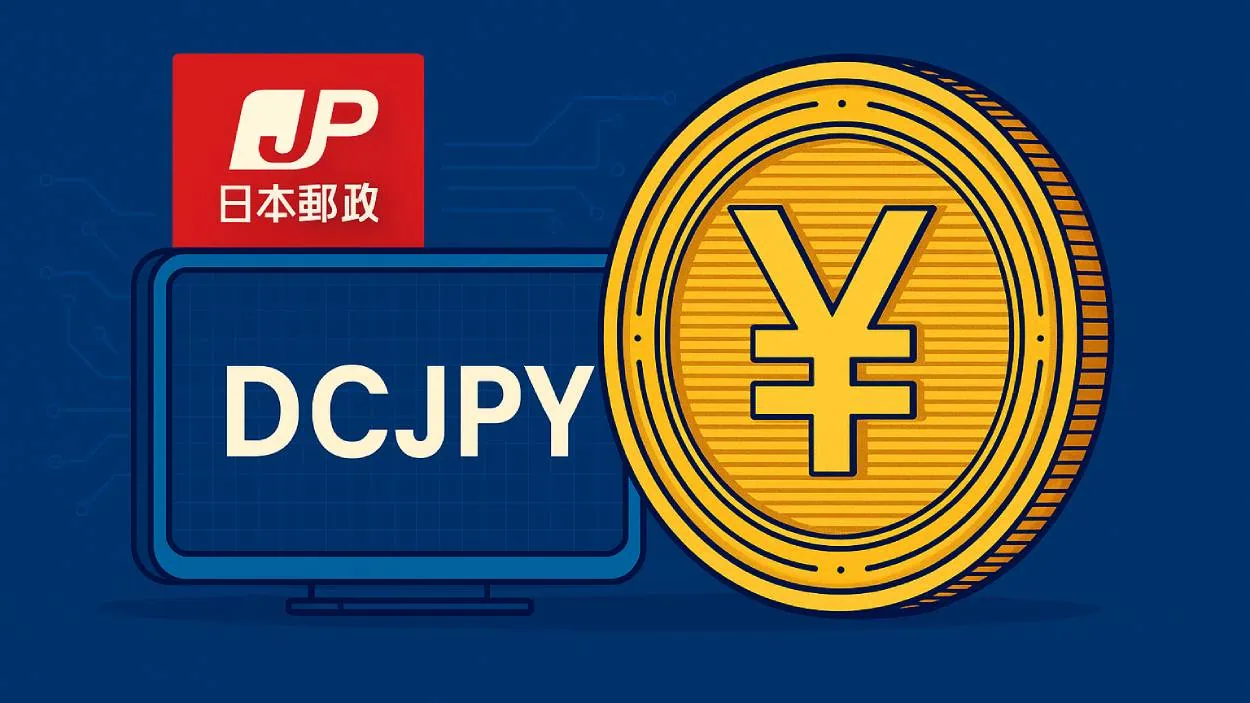






Japan is preparing to modernize its government bond market through blockchain technology, with major banks and financial firms backing a system designed to enable faster settlement, lower costs, and round the clock trading.
Key Takeaways
- Japan plans to tokenize government bonds using blockchain infrastructure led by Progmat and supported by major financial institutions.
- The new system aims to enable instant settlement instead of the current next day settlement process used in traditional bond markets.
- Japan’s repo market represents nearly 10% of the global market, making this one of the largest blockchain based financial infrastructure projects to date.
- The initiative could attract trillions of yen in institutional capital as Japan expands its digital securities market.
What Happened?
Japan is moving toward a major transformation of its sovereign debt infrastructure by introducing blockchain based government bond trading. The project is being developed through the Digital Asset Co Creation Consortium operated by Progmat, a digital asset infrastructure company backed by some of Japan’s largest financial institutions.
The initiative is expected to launch later this year, with broader implementation targeted by the end of 2026. It will allow tokenized Japanese government bonds to trade continuously with near instant settlement using blockchain technology and stablecoins.
JAPAN TO PUT ITS $1.6T REPO MARKET ON THE BLOCKCHAIN
— BSCN (@BSCNews) May 8, 2026
A consortium of Japan’s top financial institutions plans to launch 24/7 trading of tokenized government bonds by end of 2025, Nikkei reported.
The system will issue bonds as blockchain-based security tokens and settle… pic.twitter.com/LtHUtX7wF5
Japan Pushes Government Bonds Onto Blockchain
Japan’s financial sector is taking one of its biggest steps yet toward integrating blockchain into traditional finance. The initiative focuses on tokenizing Japanese Government Bonds, commonly known as JGBs, and using blockchain rails to simplify trading and settlement.
The project directly targets Japan’s massive repo market, where financial institutions lend and borrow funds using government bonds as collateral. Japan’s repo market is estimated at around $1.6 trillion and accounts for nearly 10% of the global repo market.
Currently, bond trades typically settle on the next business day under the T+1 system. Under the new blockchain framework, settlement could happen almost instantly through T+0 processing. This would significantly improve liquidity efficiency while reducing operational delays and administrative costs.
The working group behind the project includes some of the largest names in Japanese finance, including MUFG, Mizuho Bank, Sumitomo Mitsui Banking Corporation, Daiwa Securities, SBI Securities, State Street Trust Bank, BlackRock Japan, and Tokio Marine Holdings.
Smart Contracts and Stablecoins Could Transform Bond Markets
The blockchain infrastructure is expected to use smart contracts to automate several processes tied to government bonds. This includes interest payments to investors, transaction verification, and settlement execution.
By removing multiple intermediaries involved in traditional financial systems, the project aims to make bond trading faster, more transparent, and more accessible to both domestic and international investors.
Officials and market participants believe the use of blockchain could strengthen auditability because all transactions recorded on the distributed ledger remain traceable and resistant to alteration.
The inclusion of stablecoin settlement is another major development. Combining tokenized bonds with digital cash equivalents could allow seamless movement of capital between banks, institutional investors, and blockchain-based financial platforms.

Why Japan’s Repo Market Matters?
The repo market plays a critical role in global finance because it allows institutions to access short term liquidity using government securities as collateral.
Japan’s move into blockchain based settlement is attracting global attention because of the sheer scale of its government bond market. Industry analysts believe the project could become a reference model for other countries exploring tokenized sovereign debt systems.
The initiative also follows similar efforts in the United States. The Depository Trust and Clearing Corporation previously announced plans to explore blockchain-based treasury settlement infrastructure.
Supporters argue that tokenized government bonds may offer a safer alternative to some decentralized finance products because the assets are backed by the Japanese government rather than unsecured lending structures.
Japan Wants to Lead Institutional Blockchain Finance
Japan has increasingly positioned itself as a supporter of regulated blockchain innovation, particularly in institutional finance. The government and financial sector appear focused on building compliant digital infrastructure rather than speculative crypto products.
The consortium is currently reviewing legal, accounting, tax, operational, and technical issues before the system moves toward full scale deployment.
If successful, the project could accelerate institutional adoption of tokenized securities while strengthening Japan’s position as a global hub for digital financial infrastructure.
CoinLaw’s Takeaway
In my experience, this is one of the strongest signs yet that blockchain is moving beyond crypto speculation and becoming part of core financial infrastructure. Japan is not testing a small pilot here. It is bringing one of the world’s largest government bond markets onto blockchain rails with support from major banks and institutional players.
I found the focus on instant settlement particularly important because reducing settlement delays can unlock massive liquidity efficiencies for banks and investors. If Japan successfully launches this system, other countries may feel pressure to modernize their own sovereign debt markets much faster than expected.