





Circle Internet Group, Inc. disclosed in a Form 8-K filed July 2, 2026, that it sold 67.5 million more ARC tokens to institutional investors, raising roughly $20.25 million at the same $3 billion valuation set in its first closing.
Key Takeaways
- Circle sold 67.5 million additional ARC tokens for about $20.25 million in gross proceeds in its “Second Closing.”.
- The tokens priced at $0.30 each, implying a $3 billion fully diluted network valuation, the same $3 billion figure as Circle’s first ARC closing. A Flat Valuation follow-on, not a markup round.
- The deal is a Rule 506(c) private placement open only to institutional investors, not retail buyers.
- Buyers face a lock-up of at least one year after Arc’s network switches to Proof-of-Stake, with limits extending up to four years past that.
- Circle must complete that Proof-of-Stake transition by a set 2028 deadline, or investors gain contractual repayment rights. A Contractual, Debt-Like Structure, not a plain token sale.
What Happened?
Circle filed the disclosure with the SEC (the U.S. Securities and Exchange Commission). The filing describes this as the “Second Closing” of the ARC presale, in which the company entered token purchase agreements on June 29 and June 30 to issue 67.5 million additional ARC tokens at $0.30 apiece, generating an estimated $20.25 million in gross proceeds. The Form 8-K states the sale “was conducted as a private placement exempt from registration under the Securities Act of 1933,” relying on Section 4(a)(2) and Rule 506(c) of Regulation D.
That exemption restricts the offering to institutions, and it comes paired with a long hold. Each investor agreed to a lock-up barring any sale or transfer of ARC tokens for “no less than one (1) year” after the Arc network completes its transition to a Proof-of-Stake or delegated Proof-of-Stake consensus mechanism, with additional restrictions running up to four years past that same transition date.
Circle Internet Group $CRCL entered into token purchase agreements with institutional investors for the sale of 67.5 million additional ARC tokens at $0.30 per token.
— Earnings Prism (@earnings_prism) July 3, 2026
The total estimated aggregate gross proceeds to the Company from this transaction was approximately $20.25…
Circle’s filing also grants investors repayment rights if the tokens are never delivered, if certain purchaser-specific legal conditions go unmet, or if Arc has not completed its Proof-of-Stake transition by May 8, 2028. That single contractual deadline anchors the entire second closing.
Arc itself is Circle’s Layer-1 blockchain built specifically for stablecoin finance. It uses USDC as native gas, runs a built-in foreign-exchange engine, and settles transactions with sub-second finality through its Malachite consensus engine. ARC, the network’s token, is designed to support governance and validator security, accruing value through validator rewards and token burns even though transaction fees are paid in stablecoins. The network remains in public testnet ahead of a mainnet launch.
The Flat Valuation Is the Real Story
Circle’s opening ARC closing brought in $222 million at a $3 billion fully diluted valuation, led by a $75 million investment from Andreessen Horowitz alongside BlackRock and Apollo Funds. The second closing priced ARC at $0.30 per token, holding the network’s fully diluted valuation at the same $3 billion as the opening round. That flat pricing cuts against the usual presale playbook, where a later round typically prices at a premium to reward early conviction.
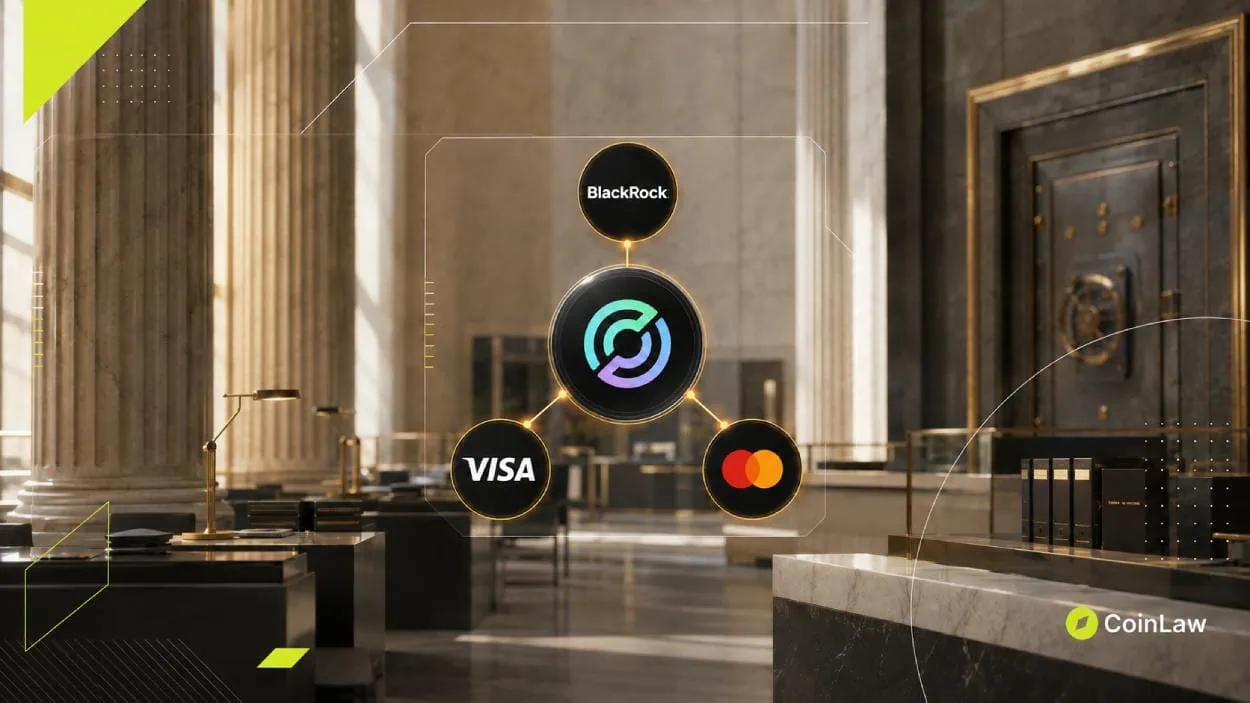
More than 100 institutions, including BlackRock, Visa, Goldman Sachs and AWS, are testing the network. Holding the price flat despite that traction reads as a sequencing choice, not soft demand.
Implications for Institutional Token Sales
The contractual structure here reads closer to convertible financing than a straightforward token sale. Tying repayment rights to a fixed transition deadline is a contingent-financing feature more common in corporate debt than early-stage token presales: miss that date, and buyers gain a contractual claim back on their money, not just an illiquid token. That matters more than the $3 billion valuation, and signals Circle built the offering to survive scrutiny of whether ARC functions as a security, giving purchasers debt-like downside protection instead of a pure equity-style bet on adoption.
The Rule 506(c) structure also draws a hard line between institutional and retail access. Every ARC buyer at this price is bound by the same lock-up terms restricting transfer until at least one year after the Proof-of-Stake transition. Retail investors have no path to the presale price; public access will come only after mainnet launch and the shift away from Arc’s current consensus design.
That gap sets Arc apart from the Decentralized finance markets more broadly, where token launches often include public sale tranches. It also stands out against how SEC crypto enforcement actions typically treat token offerings, since Circle structured both closings to fit squarely inside an existing exemption rather than testing new ground.

CoinLaw’s Takeaway
This filing tells a story about sequencing, not enthusiasm. Circle priced this raise at the exact same $3 billion valuation it set earlier, even with testers like BlackRock and Goldman Sachs already on the network, because a flat price simplifies the cap table before the transition that determines whether these tokens become liquid. The transition deadline, set for 2028, is the real fulcrum here, not the valuation figure headlines will repeat.
For anyone tracking how crypto exchange infrastructure gets funded before a public launch, the more durable signal is the exemption Circle chose. Structuring both closings under Rule 506(c) rather than a broader offering keeps ARC out of retail hands until after mainnet, and ties institutional investors’ downside to a specific engineering milestone rather than general market performance. That is a materially different risk profile than a typical presale, and one worth watching as Circle approaches its own deadline.