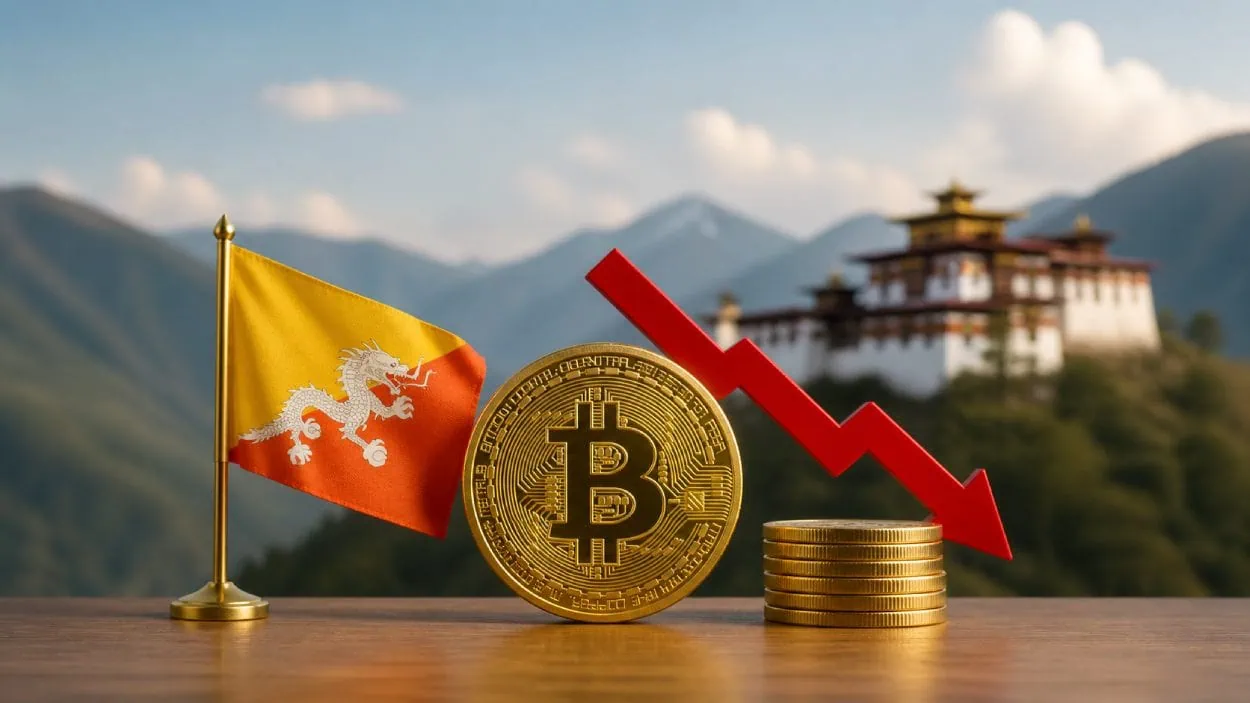






Bhutan has transferred another 250 Bitcoin to a new wallet, continuing a steady decline in its national crypto holdings.
Key Takeaways
- Bhutan moved 250 BTC worth about 18 million dollars to a newly created wallet.
- Total outflows in 2026 have reached 233.75 million dollars.
- Remaining holdings now stand at 3,774 BTC valued near 272.5 million dollars.
- The country’s Bitcoin reserves have dropped over 70 percent from their peak in 2024.
What Happened?
The Royal Government of Bhutan has once again shifted a portion of its Bitcoin holdings, transferring 250 BTC to a new wallet, according to data from Arkham Intelligence. The move is part of a broader trend of outflows from government linked wallets observed throughout 2026.
While the purpose of the transfer remains unclear, the continued movement of funds has raised questions about Bhutan’s long term crypto strategy.
BHUTAN GOVERNMENT MOVES 250 BTC WORTH $18M TO NEW WALLET
— Crypto Town Hall (@Crypto_TownHall) April 10, 2026
The Royal Government of Bhutan has transferred 250 BTC, valued at approximately $18.05 million, to a new wallet.
The movement highlights continued activity from sovereign Bitcoin holders, often watched closely as signals… pic.twitter.com/ofnrDbTurP
Continued Outflows Raise Market Questions
Onchain data shows Bhutan has now moved approximately 233.75 million dollars worth of Bitcoin from its tracked wallets this year alone. This latest transaction follows a similar transfer earlier in the week, signaling a consistent pattern rather than a one off movement.
Such repeated activity often draws attention in the crypto market, as large scale transfers from government controlled wallets are sometimes interpreted as potential sell signals. However, without any official confirmation, it remains uncertain whether Bhutan is liquidating its assets or simply reallocating them.
Holdings Drop Significantly From Peak Levels
Bhutan’s current Bitcoin reserves have declined to around 3,774 BTC, with an estimated value of 272.5 million dollars at current market prices. This marks a steep fall from the country’s peak holdings of nearly 13,000 BTC in October 2024.
The scale of this reduction highlights a drop of more than 70 percent, reflecting either sustained selling activity, strategic repositioning, or a mix of both. Despite the decline, Bhutan still remains one of the more notable sovereign holders of Bitcoin.
At the same time, Bitcoin’s market price has also played a role in the valuation shift. While the asset is trading above 72,000 dollars, it remains significantly below its peak levels seen in late 2025, adding another layer to the overall decline in portfolio value.

Role of Druk Holding and Investments
Bhutan’s crypto assets are managed by Druk Holding and Investments, the country’s sovereign investment arm. The organization has been actively involved in Bitcoin mining and accumulation strategies over recent years, positioning Bhutan as a unique player among nation states in the digital asset space.
Druk has not issued any official statement regarding the latest transfers. Reports indicate that inquiries have been made, but no confirmation has been provided on whether these movements are linked to sales or internal restructuring.
Market Interpretation Remains Uncertain
Experts often view large transfers from government wallets as a possible precursor to selling activity. However, such assumptions can be misleading without concrete evidence.
In Bhutan’s case, the lack of transparency around these transactions leaves room for multiple interpretations:
- Potential profit taking after previous accumulation phases.
- Reallocation of assets for custody or security reasons.
- Preparation for strategic liquidity needs.
Until an official explanation is provided, the intent behind these transfers remains speculative.
CoinLaw’s Takeaway
In my experience, when a government consistently moves large amounts of Bitcoin, it is rarely random. I found this pattern from Bhutan particularly interesting because it does not look like panic selling. Instead, it feels more like a calculated shift in strategy.
What stands out to me is the scale of the decline from peak holdings. Dropping over 70 percent is not a small adjustment. It signals that Bhutan may be rethinking how it wants to balance crypto exposure with broader economic goals.
At the same time, I believe it is too early to assume bearish intent. Governments operate differently from retail investors. These moves could just as easily be about security, custody, or long term portfolio restructuring.