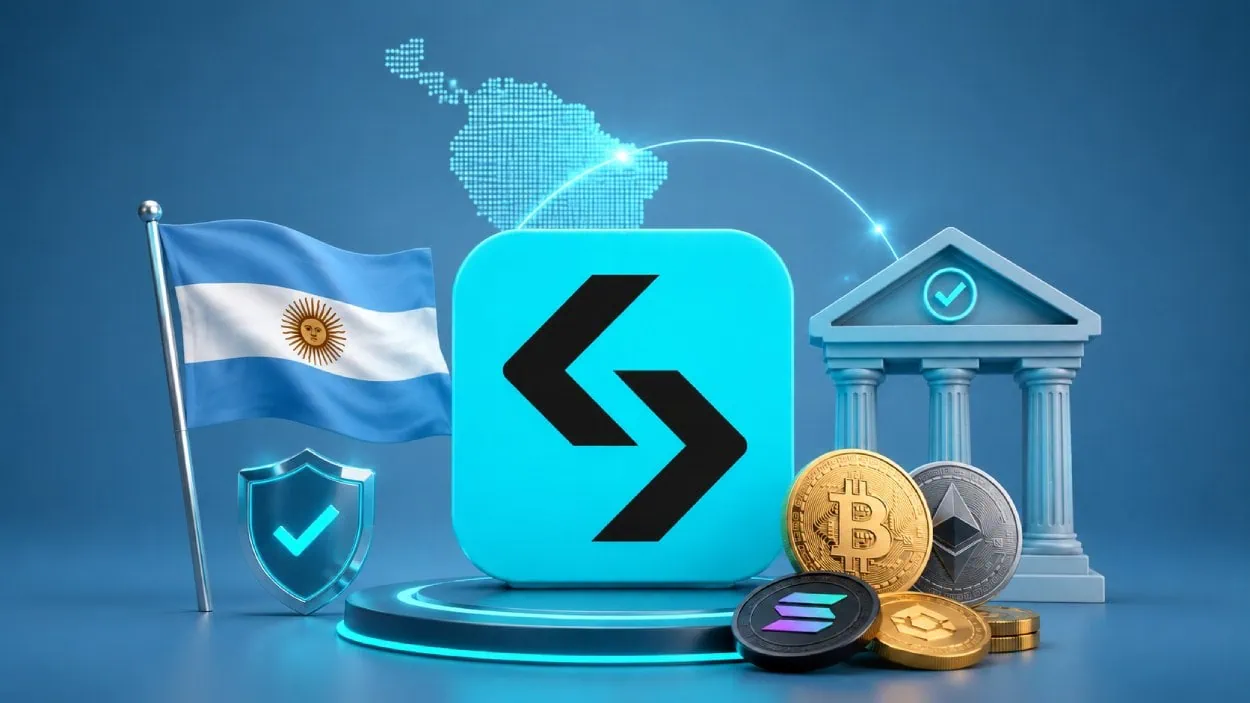






Bitget has secured regulatory approval in Argentina, marking another step in its Latin American expansion as cryptocurrency adoption in the country continues to grow rapidly.
Key Takeaways
- Bitget has been registered as a Virtual Asset Service Provider in Argentina.
- The approval places the exchange under the oversight framework established by Argentine authorities.
- Nearly 20% of Argentina’s population now uses digital assets, while more than 15,000 businesses accept crypto payments.
- The registration comes as Bitget expands its offerings in tokenized stocks and real world assets.
What Happened?
Crypto exchange Bitget has secured registration as a Virtual Asset Service Provider (VASP) in Argentina, allowing the company to operate within the country’s regulatory framework for digital asset businesses.
The approval was granted through Argentina’s National Securities Commission (CNV) and represents another milestone in Bitget’s broader strategy to expand across Latin America through regulated market access.
@bitget has registered as a virtual asset service provider in Argentina, joining @binance and @coinbase among foreign platforms with formal status.
— Sandmark (@sandmark_news) June 12, 2026
Bitget Expands Presence in Argentina
The new registration adds Argentina to Bitget’s growing list of regulated markets in Latin America. The company has been actively pursuing regulatory approvals across the region as governments continue to introduce clearer rules for crypto businesses.
Under the registration, Bitget becomes an obligated entity before Argentina’s Financial Information Unit, requiring the exchange to comply with reporting obligations and oversight related to anti money laundering and counter terrorism financing regulations.
The approval also integrates Bitget into the framework currently governing virtual asset service providers in Argentina, a market that has become increasingly important for global crypto companies.
Argentina has emerged as one of the region’s most active crypto markets. According to company data, nearly 20% of the country’s population uses digital assets, while more than 15,000 businesses now accept cryptocurrency payments. Growing adoption has been driven by demand for alternative financial tools and broader access to global markets.
Compliance Remains a Key Priority
Bitget says regulatory compliance remains central to its expansion plans across Latin America, where digital asset regulations continue to evolve.
Gracy Chen, CEO of Bitget said:
The Argentina approval follows recent regulatory progress for Bitget in Mexico, highlighting the company’s focus on jurisdictions where both crypto adoption and regulatory maturity are advancing simultaneously.

Growing Focus on Tokenized Assets
The registration also comes during a period of rapid expansion for Bitget’s tokenized asset ecosystem.
Earlier this month, the exchange enabled 15 tokenized stocks and exchange traded funds to be used as collateral for USDT margined futures trading through its Unified Trading Account system. The supported assets include tokenized exposure linked to major companies such as Apple, Nvidia, Tesla, Microsoft, and Amazon.
At the time, Chen noted that users were increasingly looking for ways to utilize tokenized assets across multiple trading activities as interest in blockchain based financial products continued to rise.
Bitget has also expanded its infrastructure for real world assets through Bitget Wallet. On June 9, the wallet introduced support for direct trading of tokenized real world assets through its DEX Aggregator API. The upgrade allows partner platforms to route transactions from cryptocurrencies into tokenized stocks without requiring separate trading systems.
According to Bitget Wallet, the system uses an RFQ based routing model designed to secure liquidity before transactions reach the blockchain. Initial integrations include Ondo Finance and xStocks, two notable participants in the growing tokenized asset sector.
The company says its ecosystem now provides access to more than 300 tokenized products covering equities, commodities, precious metals, and other financial instruments. Bitget also reported that its tokenized equity products have generated more than $30 billion in trading volume since 2025.
Why Argentina Matters for Crypto Firms?
Argentina has become a strategic destination for crypto companies seeking growth opportunities in Latin America. Rising adoption, increasing merchant acceptance, and evolving regulations have created an environment that attracts both exchanges and blockchain focused businesses.
For Bitget, securing regulatory approval in Argentina strengthens its position in one of the region’s most active digital asset markets while supporting its broader effort to build compliant operations across Latin America.
CoinLaw’s Takeaway
In my experience, the biggest winners in the next phase of crypto growth will be exchanges that prioritize regulatory compliance rather than chasing expansion at any cost. I found Bitget’s Argentina registration notable because it combines two important trends: rising crypto adoption and increasing regulatory clarity. With nearly one in five Argentinians already using digital assets, the country has become too important for major exchanges to ignore. This approval also shows that Bitget is positioning itself for long term growth while continuing to expand into tokenized stocks and real world assets, two sectors that could play a major role in bringing traditional finance and blockchain closer together.