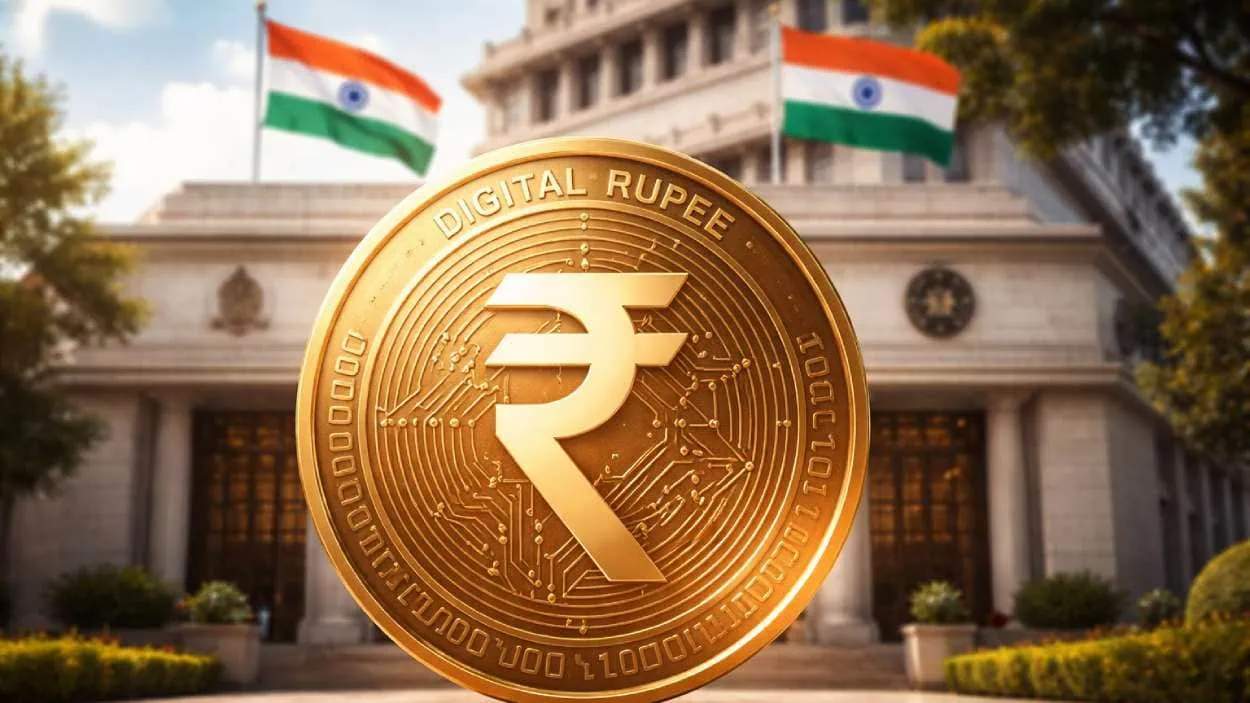







India’s central bank is doubling down on its push for a digital rupee while raising alarms about the risks posed by stablecoins to financial stability and monetary sovereignty.
Key Takeaways
- The Reserve Bank of India (RBI) strongly advocates for Central Bank Digital Currencies (CBDCs) over stablecoins in its latest Financial Stability Report.
- Stablecoins, though pegged to fiat currencies, are seen as risky due to potential volatility, regulatory evasion, and impact on capital flows.
- The digital rupee pilot has crossed 120 million transactions, with over ₹28,000 crore in value exchanged and over 8 million active users.
- The RBI warns that stablecoins could disrupt monetary policy, fragment payment systems, and pose systemic financial risks.
What Happened?
The Reserve Bank of India has issued a strong message in its latest Financial Stability Report, urging countries to prioritize Central Bank Digital Currencies (CBDCs) over stablecoins. Citing risks to capital flow management and systemic stability, the RBI reaffirmed its cautious stance on cryptocurrencies and emphasized the importance of sovereign control over money.
RBI warns stablecoins can erode monetary control, threaten financial stability and enable illicit flows. It favors a CBDC as a safer, centrally backed option. I agree, private stablecoins risk monetary sovereignty; India should fast-track a secure CBDC and strict controls.
— Nifty (@nifty0x) December 31, 2025
RBI Makes the Case for CBDCs
The RBI is championing the digital rupee as a safer, more stable alternative to stablecoins. While stablecoins mimic the functions of fiat money by being pegged to national currencies, the RBI argues they lack the legal guarantees and central oversight required to ensure lasting financial trust. Instead, it asserts that CBDCs offer:
- Efficiency and instant settlement capabilities.
- Programmability for automated financial operations.
- Credibility and security under central bank control.
The report describes CBDCs as “like stablecoins, but better,” noting they provide all the benefits of digital money with none of the systemic risks.
Concerns Around Stablecoin Risks
Although stablecoins have grown rapidly, with the market swelling from $205 billion to $307 billion in 2025, the RBI warns their vulnerabilities make them unreliable. The central bank highlighted:
- A history of volatility and redemption pressures during crises.
- Lack of deposit insurance and transparent reserve backing.
- Potential to bypass capital controls, especially in emerging markets like India.
- New channels of financial instability during economic stress.
Experts echoed these concerns. Former RBI Deputy Governor R. Gandhi stated:

Digital Rupee Adoption Accelerates
India’s CBDC journey began in late 2022 with pilot testing for both wholesale and retail segments. Since then, progress has been steady:
- Retail CBDC transactions have crossed 120 million.
- Transaction value exceeds ₹28,000 crore.
- Active user base has grown to over 8 million.
- Expansion from initial cities to 15+ regions across India.
This measured rollout aligns with the RBI’s plan for a multi-phase implementation:
- Phase 1 (2022–2023): Initial pilots with selected banks.
- Phase 2 (2024): Wider adoption and added features.
- Phase 3 (2025): Broader public use and cross-border capabilities.
- Phase 4 (2026+): Full integration with India’s financial systems.
The RBI is currently working on programmability, government integration, and banking sector collaboration to boost the utility of its digital rupee.
Global and Domestic Regulatory Outlook
India’s position resonates globally. The European Union rolled out new crypto-asset rules in 2024, and the US is considering tougher legislation for stablecoins. The International Monetary Fund has also emphasized the need for robust regulatory frameworks to handle the rise of digital currencies.
Domestically, the Indian government has indicated it is exploring stablecoin regulation in the upcoming Economic Survey for 2025–2026. However, the RBI has made it clear that its preference lies with sovereign digital currencies that protect the economy’s monetary backbone.
CoinLaw’s Takeaway
In my experience tracking global crypto policy, the RBI’s position is one of the most clear-cut and assertive stances we’ve seen from a major central bank. I found the comparison between CBDCs and stablecoins especially telling. It’s not just about preferring one over the other, but about defining what constitutes real, safe money in a digital world. By advancing the digital rupee with a solid regulatory foundation, India is not only securing its own monetary sovereignty but also setting an example for other nations navigating the complex future of digital finance. I see this as a strategic move that balances innovation with caution, which could give India a leadership edge in the global digital currency race.