






OKX has introduced a new AI powered toolkit called OnchainOS that allows developers to build autonomous AI agents capable of trading, making payments, and managing crypto wallets across multiple blockchain networks.
Key Takeaways
- OKX has launched OnchainOS, an AI toolkit designed to allow autonomous agents to interact with blockchain infrastructure.
- The platform enables AI agents to trade, manage wallets, analyze market data, and execute payments automatically.
- OnchainOS supports more than 60 blockchain networks and aggregates liquidity from over 500 decentralized exchanges.
- Developers can integrate the toolkit through AI Skills, Model Context Protocol, or direct Open API access.
What Happened?
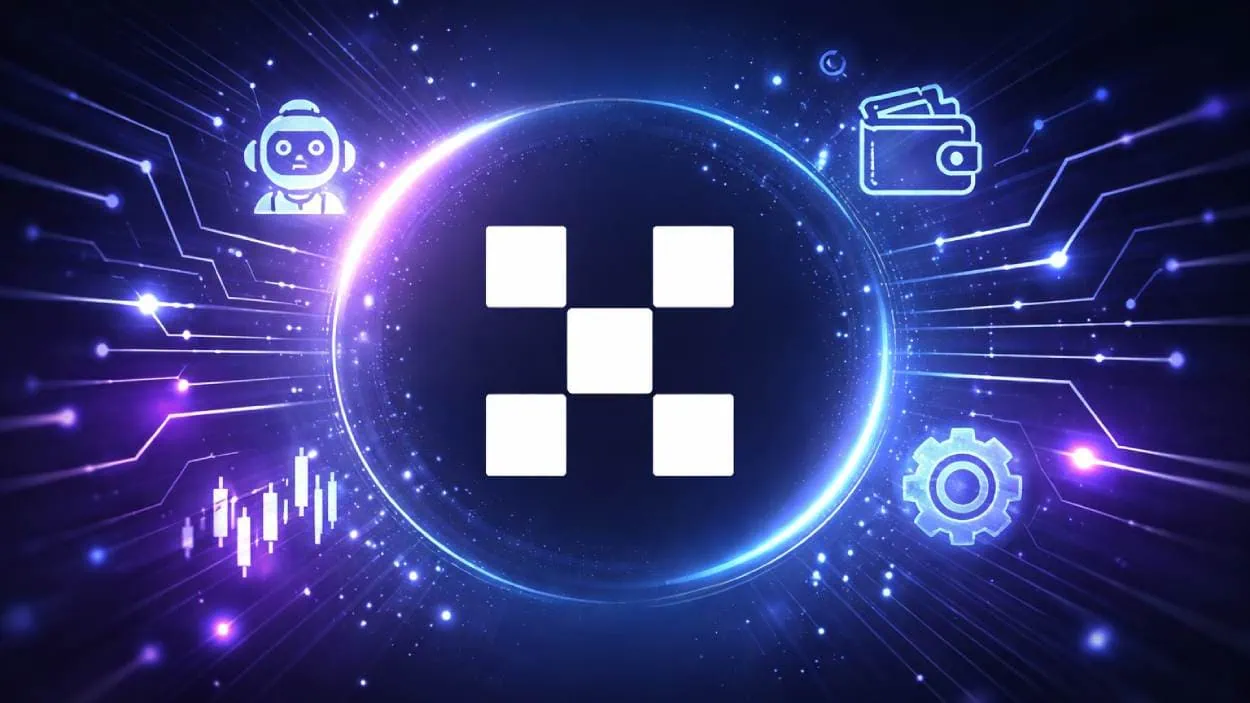
Crypto exchange OKX has launched OnchainOS, a developer platform designed to enable AI agents to autonomously operate across blockchain networks. The toolkit introduces a native AI layer that connects wallets, decentralized exchange infrastructure, and market data into one unified system.
With this update, developers can build AI powered applications that monitor markets, execute trades, and manage crypto assets automatically without human intervention.
ai agents are next users of crypto@okx saw this coming & built “OnchainOS” FIRST
— LANGERIUS (@Langerius) March 4, 2026
giving agents wallet & dex infrastructure they actually need to operate onchain 👇🏻pic.twitter.com/T9Slqwcdbl
OKX Introduces AI Toolkit for Autonomous Blockchain Operations
The new OnchainOS AI layer aims to solve a growing challenge in the crypto industry. As AI agents increasingly participate in onchain markets, they require reliable infrastructure to interact with wallets, trading systems, and blockchain data.
According to OKX, the platform functions as a complete onchain operating system for developers, bringing together the tools needed to build automated blockchain applications in one environment.
Instead of relying on multiple APIs and services, developers can use OnchainOS to access wallet functionality, decentralized trading, market data feeds, and payment tools through a single framework.
This integrated approach allows AI agents to execute complex workflows autonomously, from monitoring market conditions to completing transactions onchain.
Core Capabilities Available Through OnchainOS
OKX grouped the platform’s new features into several key modules that developers can integrate into their AI powered applications.

Wallet Management
AI agents can query balances, retrieve cross chain transaction history, and broadcast transactions across multiple blockchain networks.
Autonomous Payments
The system supports automated payments using the x402 pay per use protocol, allowing agents to initiate and settle transactions independently. In some cases, transactions executed on OKX’s X Layer can be completed with zero gas costs.
Smart Trading
Through aggregated routing across more than 500 decentralized exchanges, AI agents can automatically search for the best available swap price and execute trades.
Market Data and Analysis
The toolkit provides structured real time onchain data, including information about tokens, transfers, trading activity, and account behavior. This allows AI agents to analyze market conditions and make decisions without human input.
DApp Connectivity
Developers can also integrate OKX Wallet directly into decentralized applications, giving users and automated agents immediate access to a large Web3 wallet ecosystem.
Three Integration Options for Developers
OKX says developers can access the platform through three different integration paths depending on their needs.
The first option is AI Skills, where agents interact with blockchain services using plain language instructions without complex programming.
The second is Model Context Protocol, which connects OnchainOS directly to AI frameworks and large language model applications such as Claude Code, Cursor, and OpenClaw.
The third option is a traditional Open API, giving developers full programmatic access to every feature available on the platform.
Built on Infrastructure Already Running at Scale
While the AI layer is new, OKX says the underlying infrastructure has been operating for years.
The system runs on the same network infrastructure powering OKX Wallet, which supports more than 60 blockchain networks and processes billions of API calls daily. The platform also reports sub 100 millisecond response times, $300 million in daily trading volume, and 99.9 percent uptime.
These performance metrics are particularly important for autonomous AI systems that require stable and reliable infrastructure to operate continuously.
Expanding the Role of AI in Web3
The launch of OnchainOS comes at a time when AI and blockchain technologies are increasingly being combined to create automated trading systems, portfolio management tools, and onchain data analysis platforms.
By enabling agents to monitor prices, analyze liquidity, and execute trades automatically, platforms like OnchainOS could accelerate development in areas such as algorithmic trading, liquidity management, and automated risk monitoring.
For example, an AI agent connected to OnchainOS could automatically monitor the price of Ethereum and execute a trade if it drops below a certain level, handling the entire process from price tracking to transaction confirmation.
CoinLaw’s Takeaway
In my experience covering crypto infrastructure, the biggest challenge for AI agents in Web3 has always been reliable execution. Many tools can analyze data, but very few systems allow agents to actually act on that information across multiple chains without complicated integrations.
What I find interesting about OnchainOS is how it tries to unify trading, wallet management, and market data into one environment. If developers truly begin building AI agents that operate independently onchain, this could significantly change how trading strategies, portfolio management, and decentralized applications are built in the future.