






Nvidia CEO Jensen Huang says the company’s latest checks into OpenAI and Anthropic could be its final chance to invest before both AI leaders potentially head toward public listings.
Key Takeaways
- Nvidia CEO Jensen Huang said a previously discussed $100 billion OpenAI investment is unlikely now that OpenAI is preparing to go public.
- Huang said Nvidia has finalized a $30 billion investment in OpenAI, and it may be Nvidia’s last major deal with the startup before an IPO.
- Huang also suggested Nvidia’s $10 billion investment in Anthropic could be its final round, even as Anthropic says it has not finalized an IPO decision.
- The comments highlight how fast rising IPO timelines can close the window for large private investments, even for a key supplier like Nvidia.
What Happened?
Speaking Wednesday at the Morgan Stanley Technology, Media and Telecom conference in San Francisco, Jensen Huang said Nvidia likely will not reach the $100 billion investment level once floated for OpenAI. He pointed to OpenAI’s IPO plans as the reason the door is closing.
Nvidia is walking back the $100B hype and putting OpenAI on a performance‑sensitive leash instead of writing a blank check.
— Poonam Parihar (@poonamparihar) March 4, 2026
So OpenAI just lost its comfy mega‑backstop and now has to earn every incremental dollar with real discipline on infra, margins, and chip vendor choice.… pic.twitter.com/U3xa8UdYMR
OpenAI’s IPO Plans Are Changing the Math
Huang was blunt about the limits of what Nvidia can do before OpenAI becomes a public company.
“I think the opportunity to invest $100 billion in OpenAI is probably not in the cards,” Huang said at the Morgan Stanley conference on Wednesday.
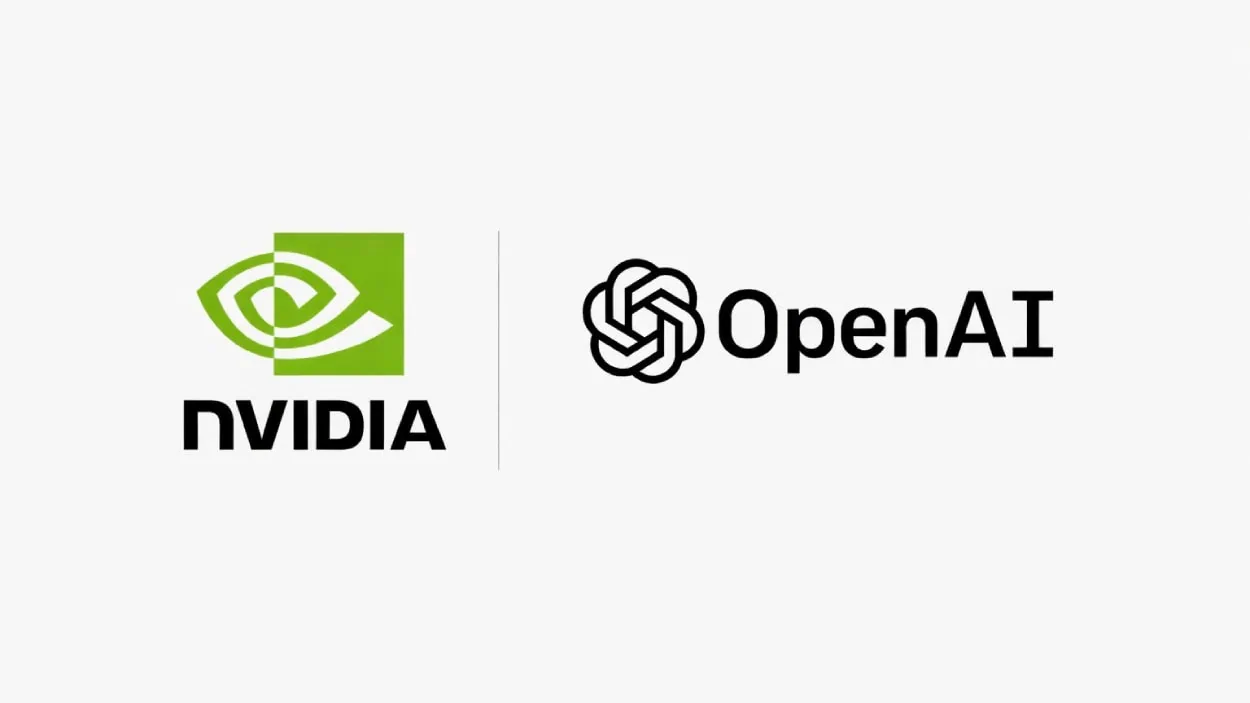
That comment directly undercuts the larger figure tied to a deal Nvidia and OpenAI announced in September last year, which discussed $100 billion in investment and capacity related plans. In Huang’s telling, the practical reality is now different: OpenAI is moving toward an IPO, and the time for giant private rounds may be running out.
Huang said Nvidia has finalized a $30 billion investment in OpenAI and framed it as potentially the final meaningful entry point before the company becomes publicly traded.
“So this might be the last time we’ll have the opportunity to invest in a consequential company like this,” Huang said.
Reuters previously reported that OpenAI has been laying groundwork for an IPO that could value the company at up to $1 trillion. The broader message from Huang is that once an IPO is on the calendar, the private market behaves differently, with fewer openings for late stage investors to write enormous checks on negotiated terms.
Nvidia’s Focus: Capacity First, Revenue Follows
Huang also tied Nvidia’s strategy to what it does best: selling the compute that makes modern AI work. He argued that if Nvidia can deliver the infrastructure these labs need, the money shows up later.
Huang said:
This is a clear signal that Nvidia sees a shift from writing bigger equity checks to powering the next wave of AI demand through chips, systems, and data center buildouts.

Anthropic Could Be Next, Even If It Has Not Decided
Huang extended the same logic to Anthropic, a major OpenAI rival. He said Nvidia’s $10 billion investment in Anthropic will probably be the last round as well.
That view comes as Anthropic is reportedly considering going public this year, though the company has said it has not finalized an IPO decision. The story also notes Anthropic is involved in a dispute with the Pentagon, adding another variable for the company as it weighs its next steps.
CoinLaw’s Takeaway
I see this as Nvidia quietly saying, “The private party is ending.” In my experience, once a company starts preparing for an IPO, the biggest investors stop thinking about how much equity they can buy and start thinking about how strong the business will look in public markets. I found Huang’s comments especially telling because Nvidia is not just an investor here, it is the company selling the compute that keeps these AI models running. If Nvidia believes the real win is in supplying capacity and letting revenue follow, that is a strong hint the next chapter will be driven more by sales and scale than by splashy private funding headlines.