






Inflation was on everyone’s minds in 2026, as the effects of governmental fiscal policies and global conflicts had finally burst into a bubble of increasing food prices, staggering economic growth, and reduced people’s purchasing power. Thus, given the financial risks, individuals are preparing for future challenges with strategies such as using Bitcoin as a hedge against inflation. This is the top cryptocurrency on most exchanges, like Binance, where anyone can buy it to strengthen their portfolio, as crypto does not lose value like fiat money.
Bitcoin, for example, will only grow in demand because there is a limited number of coins that will ever be in circulation. The closer we get to the last Bitcoin mined, the higher the asset’s price will rise, moving in the same direction as demand.
But cryptocurrencies have something in common with fiat assets: they present inflationary and deflationary features. At the same time, digital gold may experience shifting trends driven by monetary policy or other economic factors, so let’s explore inflation and crypto further.
Inflationary aspects in cryptocurrencies
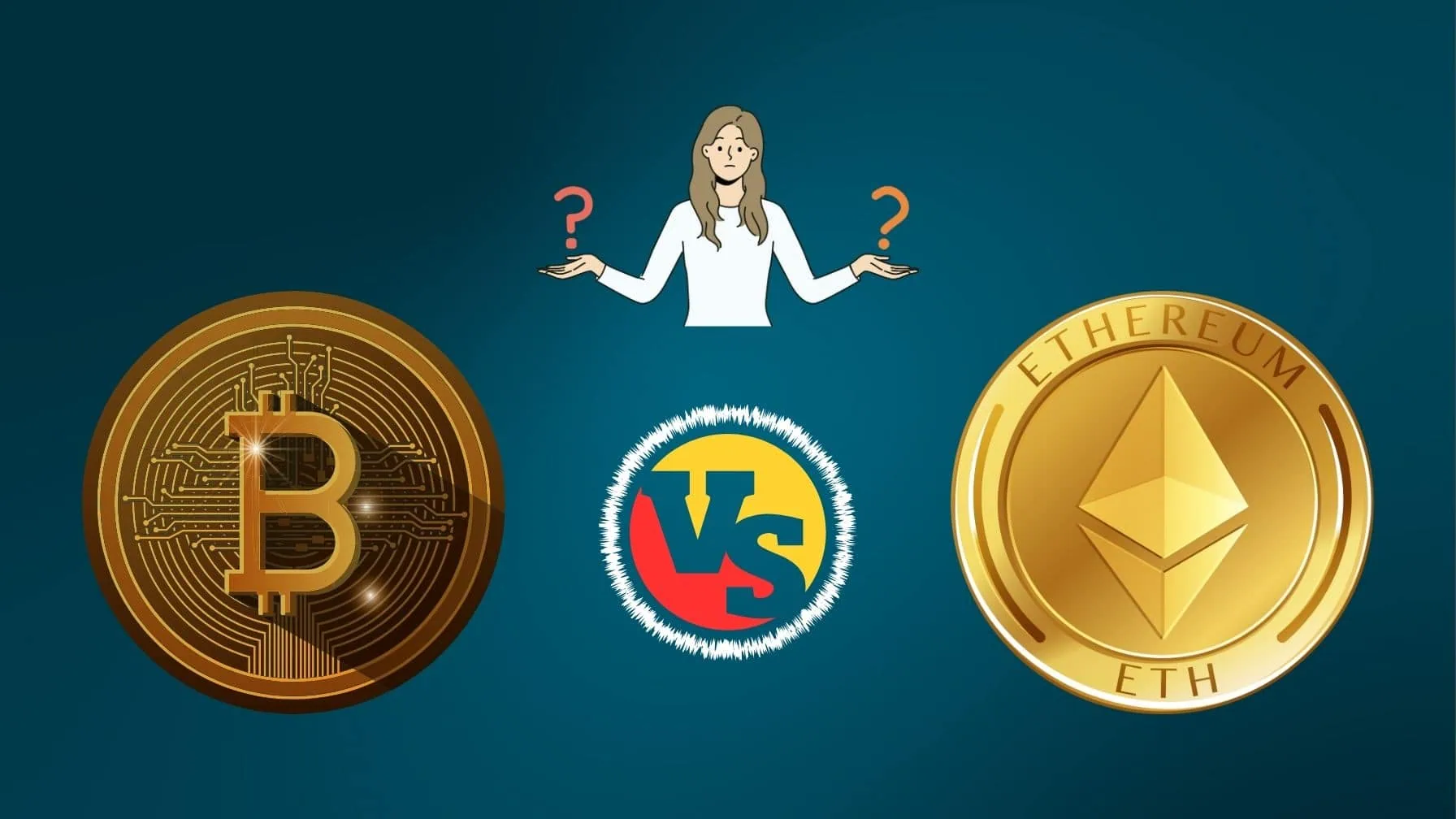
Inflationary cryptocurrencies lack a fixed supply cap, leading their value to appear to decline over time. This is the example of Ethereum, Bitcoin’s first competitor, which is a great option for day-to-day currency investments rather than a full long-term strategy. Still, while value is supposed to decrease, the transaction costs associated with it are low.
Therefore, inflationary coins increase in supply continuously through predetermined mechanisms that set inflation rates, determine token distribution, and define incentives. An advantage of these coins is their ability to reduce volatility due to their larger supply, and they are most efficient for everyday transactions. However, users must be wary when using these coins, such as Ripple and Dogecoin, since they may have limited long-term price appreciation potential.
Deflationary tendencies in crypto
Deflationary cryptocurrencies are best described by Bitcoin. The project has a limit of 21 million BTC ever available on markets, and miners are responsible for maintaining the Bitcoin network’s safety despite the growing difficulty. However, as the supply of the coin decreases, demand can only grow, making the asset a leading force for long-term investments.
Of course, this doesn’t mean its value cannot decrease, as we’ve seen plenty of times when the overall market was down. Bitcoin and deflationary coins are still affected by bullish and bearish markets, but they tend to retain more value following these events. At the same time, they are less risky than devaluation or inflation.
Which type of asset is best for investors?
Users must target both deflationary and inflationary coins for their portfolio, because each brings something valuable to the table. Deflationary ones, like Bitcoin, offer stability and long-term value, while inflationary ones help address value by being the pioneers of innovation. Ethereum, for example, introduced smart contracts and refined them to enable developers to build decentralized applications, decentralized autonomous organizations, and NFTs. Therefore, its importance has established the start of a flourishing ecosystem.
On the other hand, traders might choose inflationary cryptocurrencies as they benefit from more flexible monetary policies, growth, and expenditure, as well as limited deflationary pressure. Meme coins, for example, are among the best for trading because their prices change much faster and more unpredictably, allowing users to take advantage of volatility and leverage day trading.
Are cryptocurrencies influenced by inflation?
In theory, cryptocurrencies are resistant to inflation, but the world’s central banks might affect them more than they seem. These institutions raise interest rates when inflation grows, triggering various occurrences in the real world. For example, it can switch interest towards yield-bearing investments rather than cryptocurrencies. These factors also contribute to the uneasy market:
- The currency devaluation can lead to interest in coins as an alternative store of value.
- The economic uncertainty can reduce exposure to volatile assets.
- The global capital flows might benefit crypto from the capital seeking movement.
The link between inflation and cryptocurrency can also affect trading, so users must consider the long-term perspective when adding new coins to their portfolios. At the same time, allocating the right amounts of crypto can make the difference between losses and asset management, which go hand in hand with market monitoring to analyze trends and re-allocate crypto.

What will happen when the last Bitcoin is mined?
Many may wonder what will happen to the cryptocurrency market when Bitcoin, the largest and most important asset, ceases to issue new coins as its supply runs out. According to expert forecasts, the last coin will be mined in 2140, after which miners will no longer operate on the blockchain to address new assets. However, they will continue to maintain the integrity of the blockchain by validating transactions and using fees to fund their operations.
A major contributor to this moment is halving events, during which the mining reward halves and miners are expected to upgrade their strategies and hardware to continue mining. The latest halving in 2024 set the reward at 3.125 BTC per block, while the next event will take place in 2028 with a new mining rate of 1.625 BTC.
Bitcoin is not the only project that enabled a halving process to decrease supply and support demand. Litecoin, Bitcoin Cash, and Ethereum Classic share features that make them relevant and allow them to continue operating regardless of market momentum.
Other coins have special prewritten projects that limit supply, such as burning mechanisms that reduce the circulating supply. Burning can be verified through a consensus called Proof of Burning (PoB), in which validators agree on the amount of coins burned. It can also work by sending coins to a burner address, which is energy-efficient and can temporarily increase the price of a coin.
Conclusion
As inflation affects people’s purchasing power and increases food prices, solutions such as cryptocurrency investments emerge. These decentralized assets can act as a hedge against inflation, as their value doesn’t decline, especially with inflationary coins that only grow in demand.
On the other hand, deflationary coins with unlimited supply can support demand through burning mechanisms. Overall, investing in cryptocurrency for the long term is a great way to protect against inflation.