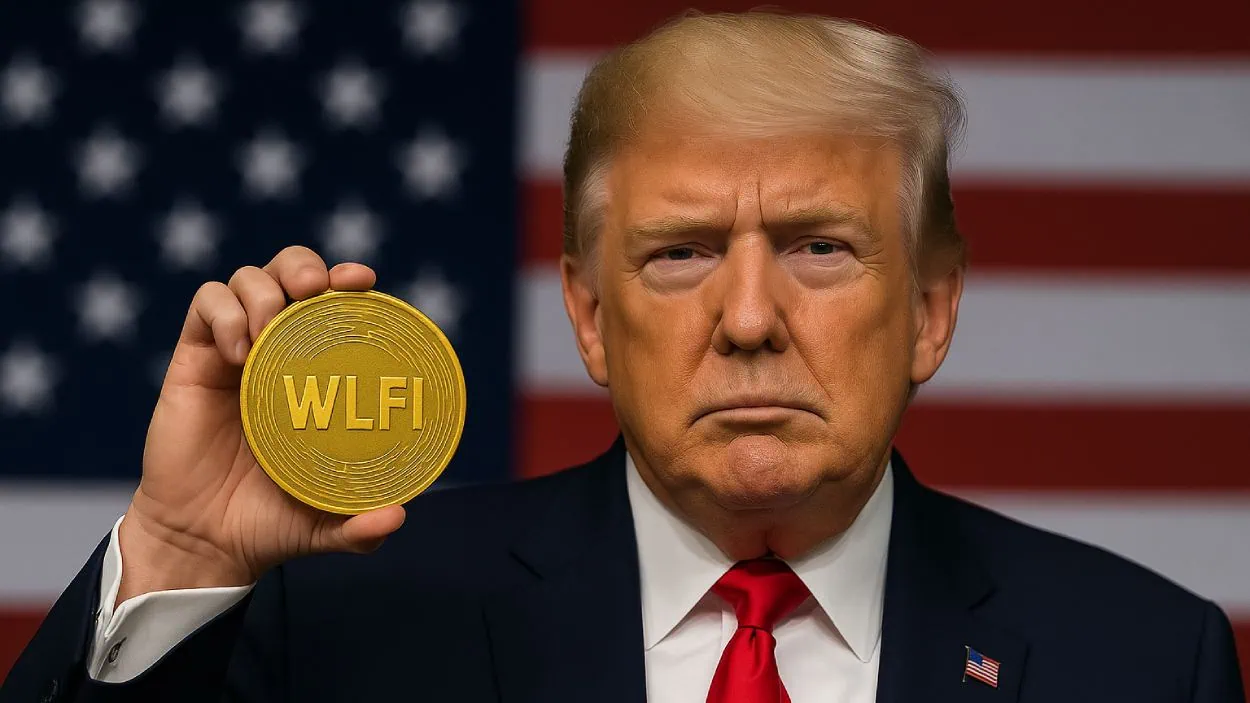







A Trump-linked crypto firm is under congressional scrutiny following revelations of a secret $500 million investment from a UAE royal-connected entity just before Donald Trump returned to office.
Key Takeaways
- World Liberty Financial (WLFI) is being investigated by the U.S. House over a $500 million Emirati investment finalized days before Trump’s 2025 inauguration.
- The deal reportedly gave a 49% stake to a UAE entity linked to Sheikh Tahnoon bin Zayed Al Nahyan, a senior security official.
- Lawmakers are demanding records tied to the investment, possible Trump family payments, and WLFI’s role in a $2 billion Binance deal.
- The inquiry also explores national security risks, including recent U.S. policy shifts on AI chip exports to the UAE.
What Happened?
Congressional investigators, led by Rep. Ro Khanna, have launched a formal probe into World Liberty Financial, a crypto firm with Trump family ties, after a report by the Wall Street Journal revealed a $500 million investment deal with a UAE-linked vehicle. The transaction allegedly occurred just before Trump assumed office in early 2025, raising concerns over foreign influence, national security, and financial entanglements involving politically connected entities.
🚨 U.S. Congress Investigates WLFI Over UAE Ties@RoKhanna has launched a congressional inquiry into @worldlibertyfi after reports that a UAE royal–linked entity acquired a 49% stake for $500M ahead of Trump’s inauguration.
— ME Group (@MetaEraHK) February 5, 2026
According to the @WSJ, the investment may intersect… pic.twitter.com/3jHWrnairl
House Demands Transparency Over Foreign Capital and Crypto Influence
The probe centers on whether foreign sovereign capital was used to gain indirect influence over U.S. policy via WLFI, which is partially owned and led by Trump family affiliates. Khanna, the ranking Democrat on the House Select Committee on the Chinese Communist Party and a member of the House Committee on Competition, is seeking answers about the nature of the Emirati investment and any subsequent impacts on U.S. decision-making.
Khanna’s letter, addressed to WLFI CEO Zach Whitcomb, outlines 16 specific demands, including:
- Ownership records, board appointment data, and corporate governance documents.
- A detailed payment trail, including whether $187 million flowed to Trump family entities or company co-founders.
- Internal discussions and due diligence related to Aryam Investment 1, the UAE vehicle named in reports.
Lawmakers are also requesting data on WLFI’s USD1 stablecoin, which played a central role in a $2 billion investment into Binance. The investigation questions how USD1 was selected, the profits generated, and whether any WLFI personnel were involved in negotiations or discussions about Binance founder Changpeng Zhao’s presidential pardon.
Focus on Timing, AI Policy and National Security Risks
The timing of the deal has intensified scrutiny, especially given its proximity to Trump’s inauguration. Khanna highlighted the approval of advanced AI chip exports to the UAE shortly after the investment, despite such exports usually being subject to national security restrictions. This raises questions about whether business interests could have swayed sensitive U.S. export control decisions.
The House committee instructed WLFI to preserve all internal communications related to conflicts of interest, dealings with UAE- or China-linked entities, and export control compliance. Khanna also called on the federal prosecutor to open a parallel investigation into the matter.

WLFI Responds as Deadline Approaches
WLFI has dismissed the inquiry as politically motivated, stating that lawmakers are targeting a private American business for political advantage. The company has not publicly denied the reported investment but characterized the deal as a routine business transaction.
WLFI has until March 1, 2026 to submit all requested documentation to Congress.
CoinLaw’s Takeaway
In my experience, crypto firms operating at the intersection of politics and foreign capital often face high-stakes scrutiny, and this is no exception. A $500 million stake from a foreign sovereign-linked investor right before a U.S. president returns to power? That’s going to raise red flags. What concerns me most here is not just the size of the investment but its potential policy consequences, especially around AI and crypto regulations. This investigation could set a powerful precedent for how the U.S. handles politically exposed crypto ventures going forward. I’ll be watching this one closely.