






Terraform’s bankruptcy administrator has filed a lawsuit accusing trading firm Jane Street of insider trading during the $40 billion TerraUSD collapse in 2022.
Key Takeaways
- Terraform’s court appointed administrator has sued Jane Street, alleging insider trading and market manipulation during the TerraUSD collapse.
- The lawsuit claims the firm used material non public information to exit positions hours before the crash.
- TerraUSD lost its dollar peg in May 2022, wiping out $40 billion in market value.
- Jane Street has denied the allegations and called the lawsuit “baseless” and “opportunistic.”
What Happened?
Todd Snyder, the court appointed administrator overseeing the bankruptcy of Terraform Labs, filed a lawsuit in Manhattan federal court accusing Jane Street and several of its executives of profiting from confidential information during the TerraUSD meltdown. The complaint centers on trades executed in May 2022, just minutes before the stablecoin began its historic collapse.
Jane Street has rejected the claims and said it will defend itself vigorously in court.
🚨 BIG UPDATE: Terra Collapse Lawsuit Targets Jane Street
— Whale Degen (@hiwhaledegen) February 24, 2026
In 2022, the collapse of Terra (LUNA) and TerraUSD (UST) erased ~$40B and triggered a brutal crypto winter.
Now in 2026, Terraform’s bankruptcy team has filed a lawsuit in Manhattan — accusing Jane Street of playing a… pic.twitter.com/JJJUCznSKp
Lawsuit Alleges Insider Trading and Market Manipulation
The lawsuit names Jane Street Group LLC, co founder Robert Granieri, and employees Bryce Pratt and Michael Huang as defendants. Snyder alleges the firm misappropriated confidential information from Terraform insiders and used it to strategically unwind positions before the broader market reacted.
According to the complaint, Terraform withdrew 150 million TerraUSD tokens from Curve’s 3pool liquidity pool on May 7, 2022, without making a public announcement. Less than 10 minutes later, a wallet allegedly linked to Jane Street withdrew 85 million TerraUSD from the same pool.
The filing describes this as the firm’s largest ever single swap involving TerraUSD. Snyder argues the timing was not coincidental and claims the trade accelerated panic that ultimately led to the stablecoin losing its peg to the US dollar.
The lawsuit invokes the misappropriation theory of insider trading and includes claims under the Commodity Exchange Act, the Securities Exchange Act, fraud, and unjust enrichment. Snyder is seeking damages, disgorgement, interest, and a jury trial in the US District Court for the Southern District of New York.
Alleged Back Channel Communications
Jane Street’s relationship with Terraform dates back to 2018, when it was onboarded as a trading partner. Activity reportedly increased in 2022 after Bryce Pratt, a former Terraform intern, reconnected with company employees.
The complaint alleges Pratt established a private communication channel with Terraform’s business development lead, which served as a source of material non public information. It also claims that on May 9, Pratt created a group message that included Terraform co founder Do Kwon.
Snyder argues that access to internal data allowed Jane Street to reduce exposure to TerraUSD hours before the broader collapse unfolded.

Jane Street Denies Allegations
Jane Street strongly denied the claims in a public statement, saying:
The firm’s defense centers on the argument that Terraform’s own structural flaws and internal misconduct caused the collapse, not external trading activity.
The $40 Billion Terra Collapse
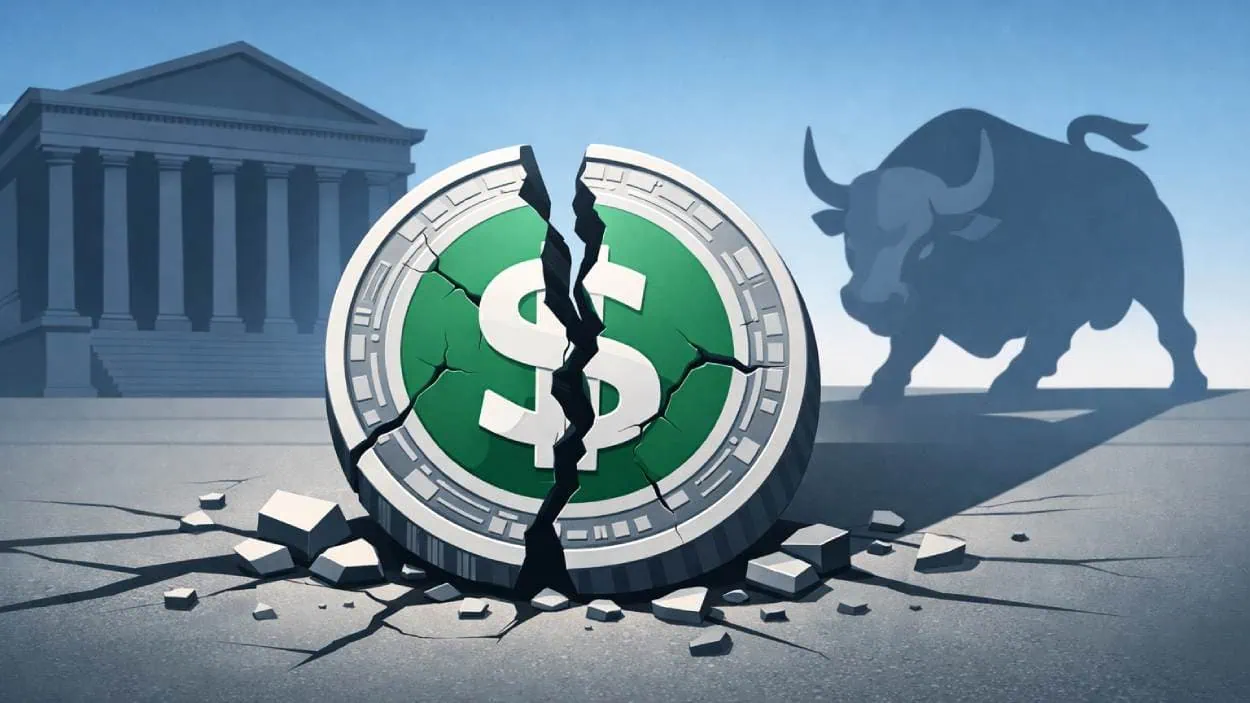
In May 2022, TerraUSD, an algorithmic stablecoin, lost its one to one parity with the US dollar. The event triggered a rapid sell off and a so called death spiral that also wiped out its sister token LUNA. Roughly $40 billion in value vanished in a matter of days.
The collapse contributed to broader market contagion, impacting several major crypto lenders and funds. Terraform later filed for bankruptcy in 2024. Co founder Do Kwon pleaded guilty to fraud charges in the United States and was sentenced to 15 years in prison.
Snyder has also filed a separate lawsuit against Jump Trading, seeking more than $4 billion in damages in connection with alleged misconduct tied to the Terra ecosystem.
Legal Stakes for the Crypto Industry
Legal experts say the case could help define what qualifies as insider trading in decentralized finance markets. Courts may need to determine whether information shared in private chats or governance discussions constitutes material non public information under US law.
If the case moves forward, discovery could require Jane Street to disclose internal trading data and communications tied to TerraUSD during the critical days of May 2022.
CoinLaw’s Takeaway
In my experience covering crypto collapses, what stands out here is not just the scale of the losses, but the timing. If a major trading firm truly exited positions minutes after an unannounced liquidity move, that raises serious questions about fairness in crypto markets. I believe this case could become a defining moment for how insider trading laws apply to digital assets. The outcome may shape how institutional players operate in decentralized finance for years to come.