





South Korea may soon give regulators the power to freeze crypto accounts before suspected illicit gains are moved, as part of a wider crackdown on market abuse.
Key Takeaways
- The Financial Services Commission is considering a new “payment suspension” system to allow earlier intervention in suspicious crypto transactions.
- The system mirrors enforcement tools from South Korea’s stock market that let authorities freeze accounts suspected of manipulation before profits are cashed out.
- Crypto assets’ fast mobility has led to enforcement gaps, as profits can be moved to private wallets before court warrants are secured.
- The proposal is part of South Korea’s broader regulatory reforms, including new crypto laws and stablecoin oversight under development.
What Happened?
South Korea’s top financial regulator is weighing a proposal to allow preemptive account freezes for crypto transactions suspected of market manipulation. The move would enable investigators to block asset transfers before suspects can move funds to untraceable wallets or overseas exchanges. Officials say current rules, which require court warrants, are too slow for crypto’s fast-paced markets.
SOUTH KOREA CONSIDERS “PAYMENT SUSPENSION” MECHANISM TO FREEZE SUSPECTED CRYPTO MANIPULATION ACCOUNTS
— CoinRank (@CoinRank_io) January 6, 2026
According to Yonhap News, South Korea’s Financial Services Commission ( #FSC) is actively considering introducing a “payment suspension” system in the second phase of the… pic.twitter.com/7sZgN5X4W3
Payment Suspension: A New Tool for Faster Action
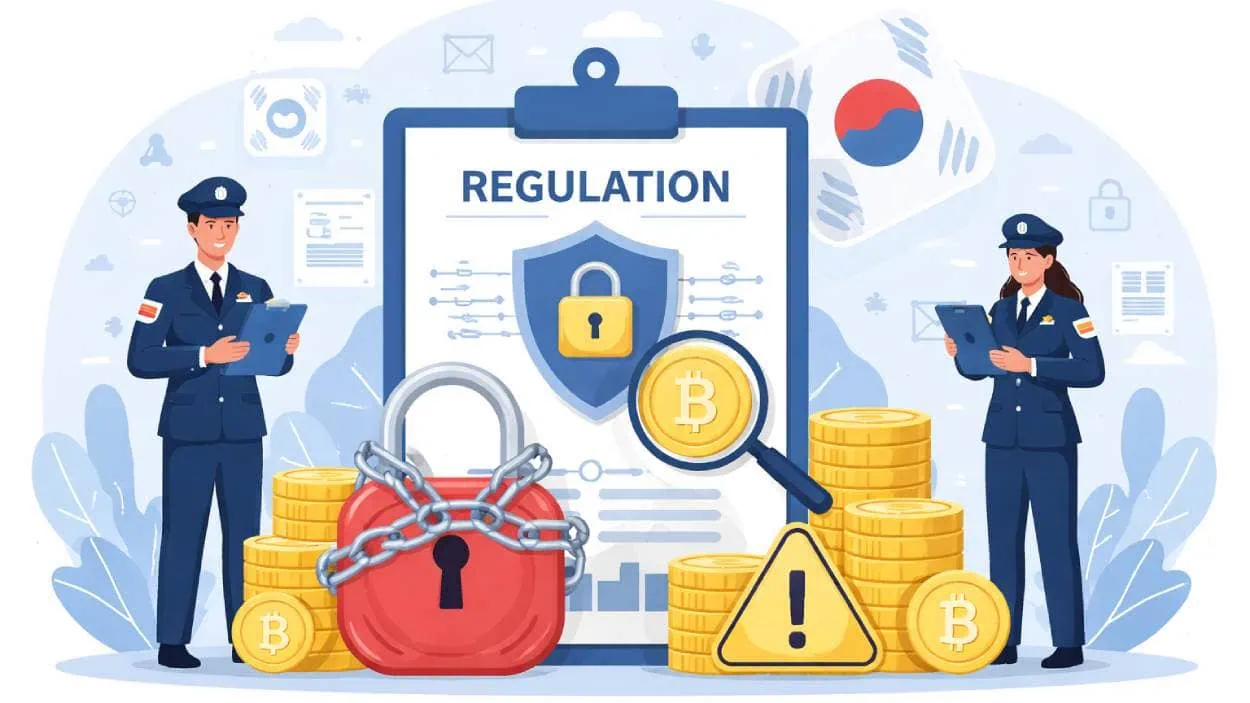
The Financial Services Commission (FSC) is considering a new enforcement mechanism called “payment suspension.” This system would empower regulators to temporarily freeze crypto accounts showing signs of manipulation even before legal proceedings begin.
- The idea gained momentum during a closed-door FSC meeting in November, as officials reviewed the first virtual asset price manipulation case under the newly amended Capital Markets Act.
- Currently, account freezes in crypto investigations require court-issued warrants, which can create delays that allow suspects to cash out or move profits undetected.
- Crypto’s high-speed nature makes traditional legal timelines ineffective in preventing illicit behavior.
The FSC aims to close this enforcement gap by modeling crypto oversight on South Korea’s existing stock market enforcement system. Under the Capital Markets Act, regulators can freeze accounts suspected of unfair trading or illegal short selling. That authority was first used in a 100 billion won stock manipulation case, where 75 accounts were frozen, halting roughly 40 billion won in potential gains.
A Broader Crackdown on Crypto Misconduct
The payment suspension proposal is part of a larger shift in South Korea’s regulatory approach. Authorities are entering “phase two” of crypto regulation, moving beyond user protections to focus on market stability and accountability.
Key developments in this broader initiative include:
- Exploring stablecoin regulations, though formal rules have not yet been introduced.
- Discussing exchange liability for hacks and system failures, possibly requiring platforms to compensate users even without proven negligence.
- Expanding tax enforcement to include cold wallet holdings, with the National Tax Service asserting its authority to conduct home raids and seize offline crypto storage in tax evasion cases.
Officials emphasize that earlier intervention in crypto is essential because once assets leave regulated exchanges, they become significantly harder to trace or recover. Common manipulation tactics include front-running, automated wash trading, and placing high buy orders to inflate prices. These schemes can produce large unrealized profits that vanish if not addressed quickly.

CoinLaw’s Takeaway
In my experience watching how crypto regulations evolve, this feels like a smart and overdue move. Crypto isn’t like traditional finance where you can afford to wait days or weeks to act. By the time a court order is approved, the money’s already halfway across the world in someone’s cold wallet. I’ve seen regulators struggle with this lag time in multiple jurisdictions, and it often ends in frustration. South Korea stepping up with real-time enforcement could set a strong precedent for others to follow. It strikes the right balance between market freedom and responsible oversight, especially in a space riddled with volatility and bad actors.