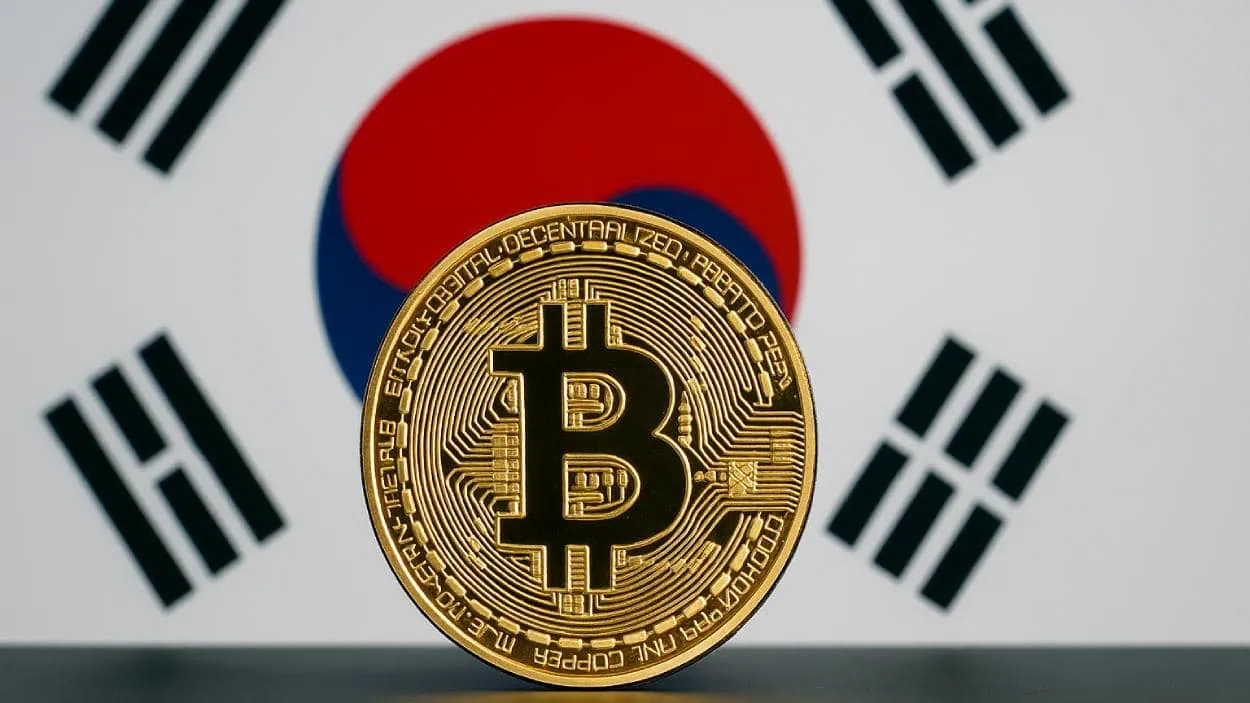







South Korea is making a bold shift toward regulated digital assets, with plans to introduce spot Bitcoin ETFs and a full stablecoin regulatory framework as part of its 2026 Economic Growth Strategy.
Key Takeaways
- South Korea will allow spot Bitcoin ETFs, reversing its long-standing policy that excluded cryptocurrencies as ETF assets.
- A new Digital Asset Act will regulate stablecoins, mandating 100% reserve backing and redemption rights for users.
- The government plans to digitize 25% of treasury funds using blockchain-based deposit tokens by 2030.
- These reforms aim to attract foreign capital, modernize financial markets, and support South Korea’s MSCI developed market ambitions.
What Happened?
South Korea has announced a sweeping new approach to crypto regulation. It will permit spot Bitcoin ETFs, regulate stablecoins under new legislation, and pilot digital currency programs for public fund distribution. These initiatives are central to the country’s 2026 roadmap to modernize finance and boost international market standing.
JUST IN: 🇰🇷 South Korea to list spot Bitcoin ETFs this year
— Bitcoin Archive (@BitcoinArchive) January 9, 2026
Bitcoin adoption is accelerating in 2026 🔥 pic.twitter.com/H7X20dQwQ7
Spot Bitcoin ETFs Approved Under New Framework
For the first time, cryptocurrencies like Bitcoin will be recognized as valid underlying assets for exchange-traded funds (ETFs) in South Korea. This marks a dramatic policy shift by the Financial Services Commission (FSC), which previously barred such products. The move is seen as a response to the success of spot Bitcoin ETFs in the United States and Hong Kong.
With this change, pension funds, corporate treasuries, and asset managers will be able to gain regulated exposure to crypto. Korea Exchange Chairman Jeong Eun-bo previously pledged to launch crypto investment products, and the new approval finally provides the legal backing to do so.
The update is also part of South Korea’s broader effort to secure inclusion in MSCI’s developed-market index, which requires accessible investment instruments and robust financial infrastructure.
Stablecoin Laws Target Risk and Innovation
The Digital Asset Phase 2 legislation, currently being fast-tracked, will bring sweeping rules for stablecoins. The new law will:
- Require government approval for stablecoin issuers.
- Mandate 100% reserve backing and guaranteed redemption rights.
- Introduce licensing for issuers and establish capital requirements.
- Include rules for cross-border transfers to support remittances and trade.
These steps aim to prevent incidents like the Terra-Luna collapse, which wiped out around $40 billion in value. However, disputes between the FSC and the Bank of Korea have delayed implementation. The central bank wants stablecoins issued by bank-dominated consortia, while the FSC warns such restrictions could hinder fintech innovation.
Despite ongoing disagreements, the legislation is expected to move forward in 2026.

Digital Treasury Push and Blockchain Integration
The South Korean government also aims to digitize 25% of national treasury funds using deposit tokens by 2030. These tokens, backed by commercial bank deposits, will function as restricted-use digital vouchers.
A pilot program will begin in the first half of 2026, starting with subsidies for electric vehicle charging infrastructure. Authorities say this system could:
- Shorten settlement times.
- Reduce fraud.
- Lower administrative costs.
To support this transition, amendments to the Bank of Korea Act and the National Treasury Act are planned by the end of 2026. The government is also reviewing wallet infrastructure, point-of-sale integration, and linking digital assets to national fiscal systems.
Enforcement Ramps Up Despite Regulatory Gaps
As legislation lags, South Korea’s Financial Intelligence Unit (KoFIU) is stepping up enforcement. In December, crypto exchange Korbit was fined ₩27.3 billion ($1.89 million) for 22,000 anti-money laundering violations. Other major exchanges including Upbit, Bithumb, Coinone, and GOPAX remain under scrutiny.
Authorities are also considering expanding the travel rule to cover crypto transfers below 1 million won, requiring exchanges to collect sender and recipient data for all transfers.
Economic Goals and International Market Positioning
The digital asset strategy supports broader economic goals, including modernizing financial markets and eliminating the so-called “Korea discount”. Reforms like 24-hour FX trading starting July 2026 and lifting short-selling bans aim to increase foreign investment.
Vice Finance Minister Lee Hyoung-il said the government will also prepare a roadmap for internationalizing the won, with a focus on offshore financing. The plan expects 2% economic growth in 2026, powered by strong semiconductor exports and domestic consumption.
CoinLaw’s Takeaway
In my experience, few governments take such a comprehensive and coordinated approach to digital asset reform. South Korea is not just catching up. It’s setting the pace in Asia. I found it especially forward-thinking that they’re tying crypto innovation directly to fiscal modernization and foreign investment goals. While internal disputes over stablecoins could slow progress, the momentum is clearly on the side of innovation. If they execute well, South Korea could become a regional hub for regulated digital finance.