






Pharos Network has launched the RealFi Alliance, a new ecosystem push that aims to make institutional real world assets work smoothly onchain as the network heads toward its mainnet debut.
Key Takeaways
- Pharos Network announced the RealFi Alliance to bring issuers, infrastructure providers, and builders into one shared execution framework for RWAs.
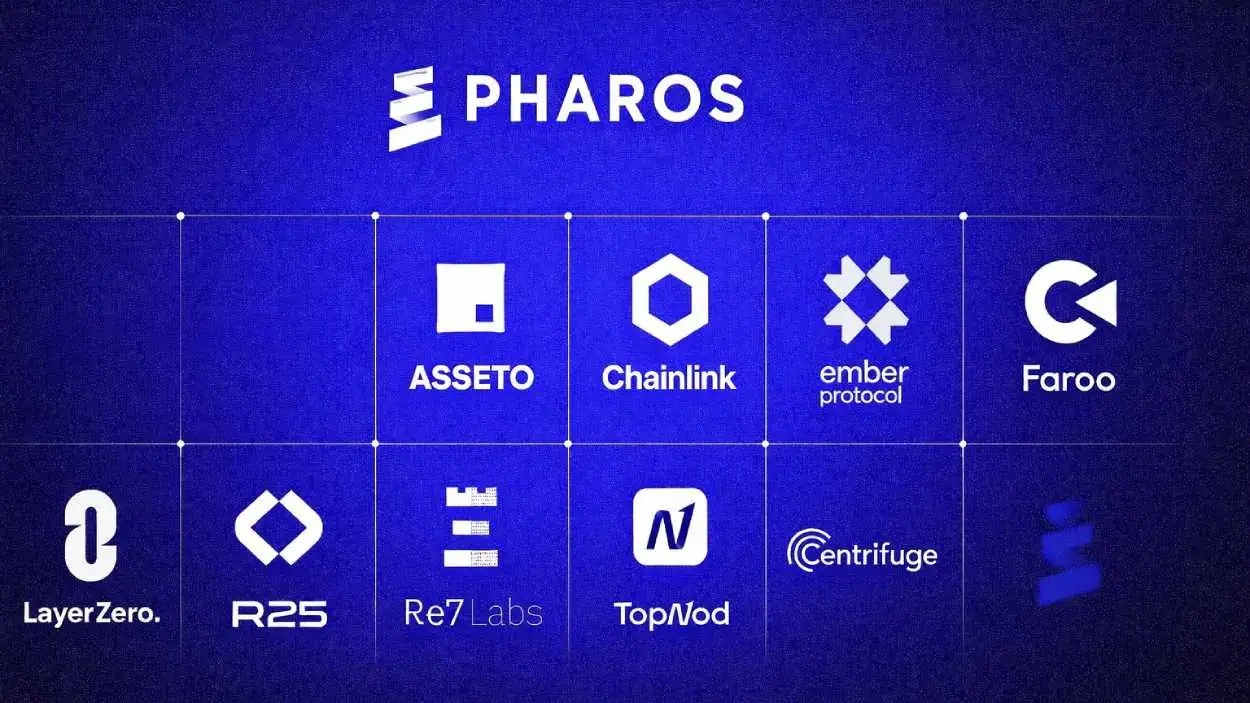
- The inaugural cohort includes Chainlink, Centrifuge, LayerZero, Re7 Labs, Ember, and several other ecosystem players.
- The Alliance targets major friction points like fragmented liquidity, inconsistent standards, and compliance gaps that slow institutional adoption.
- Pharos says the effort is designed so assets are not just tokenized but also active, composable, and usable in real workflows.
What Happened?
Pharos Network said it has formed the RealFi Alliance, an ecosystem initiative meant to coordinate institutional asset issuance, infrastructure, and applications around a shared onchain standard. The company positioned it as a step toward moving the RWA market from disconnected tests into a scalable execution model.
Pharos Wants RWAs to Act Like Infrastructure, Not Collectibles
In the RWA space, plenty of projects can tokenize an asset, but far fewer can make that asset useful across lending, yield, payments, custody, and compliance without breaking into one off systems. Pharos is pitching RealFi as the missing layer that turns tokenized assets into something closer to institutional financial plumbing.
Instead of treating RWAs as static tokens that sit in a wallet, Pharos says the Alliance is built around the idea that assets should stay active and composable, meaning they can move through different protocols and workflows without constant rewiring. The goal is to create an environment where institutions can issue assets, manage risk, access liquidity, and meet compliance requirements inside one coordinated framework.
Who Is in the RealFi Alliance Cohort?
Pharos said the inaugural RealFi Alliance cohort includes: Chainlink, Asseto Finance, Ember, Faroo, LayerZero, R25, Re7 Labs, TopNod, and Centrifuge.
That mix matters. Chainlink brings oracle infrastructure that many institutions already view as the default standard for onchain data. Centrifuge is known for real world asset financing and tokenization rails. LayerZero adds crosschain messaging, which is often essential if assets need to move or be referenced across multiple networks. Pharos is also highlighting participation from asset and strategy groups such as Ember and Re7 Labs, which it says supports a more end to end approach, from issuance through vault design and risk controls.

Four Pillars Designed to Reduce Friction
Pharos described the Alliance as operating across four pillars aimed at long term adoption and system integrity.
First is asset enablement, focused on getting real value onchain in secure and composable formats built for sustained participation, not short demos.
Second is infrastructure and compliance alignment. Pharos says this pillar leverages its deep parallel execution and built in compliance modules to meet institutional grade standards. The message is clear: institutions will not scale if every asset has a different security model, and if compliance needs to be bolted on later.
Third is liquidity and utility design, which is about making sure assets can actually be used. Pharos points to pathways such as staking, yield, and application integration. The network highlighted a collaboration between Ember and Re7 Labs, where institutional grade risk management and vault curation are integrated directly into the asset lifecycle.
Fourth is market transparency and benchmarks. This is where Pharos wants clearer visibility into risk and yield sources, which it says is critical for sophisticated allocators who need repeatable standards before deploying capital.
A Mainnet Launch With Partners Already Building
Pharos framed the Alliance as a way to ensure its upcoming mainnet launches as a ready to use environment rather than an empty chain waiting for liquidity. The company said the Alliance will expand in structured batches over time, with future members selected based on asset quality, technical readiness, and ecosystem alignment.
Wish Wu, Co Founder and CEO of Pharos Network, said the key problem is not the lack of tokenized assets but the lack of a unified environment where they can function at scale. Wu added that the RealFi Alliance is meant to align leaders like Chainlink with specialized operators so real value can move onchain with institutional grade reliability.
Pharos also described itself as an inclusive financial Layer 1 for RealFi, combining modular architecture, deep parallel execution, and built in compliance. The project says it was built by leadership and engineers from Ant Group and is backed by Hack VC, Faction VC, and other investors.
CoinLaw’s Takeaway
I have seen the RWA conversation get stuck in the same loop for years: tokenize something, run a pilot, then hit the wall when liquidity, compliance, and real usage do not line up. What I like about the RealFi Alliance framing is that it is not pretending tokenization alone solves anything. If Pharos can actually ship a mainnet where oracles, crosschain plumbing, asset operators, and risk managers are already working under shared standards, that is when institutions start paying attention. In my experience, institutions do not want fifty bespoke integrations. They want a reliable system that feels boring in the best possible way. If this Alliance delivers that, it could push RWAs from marketing demos into real onchain finance.