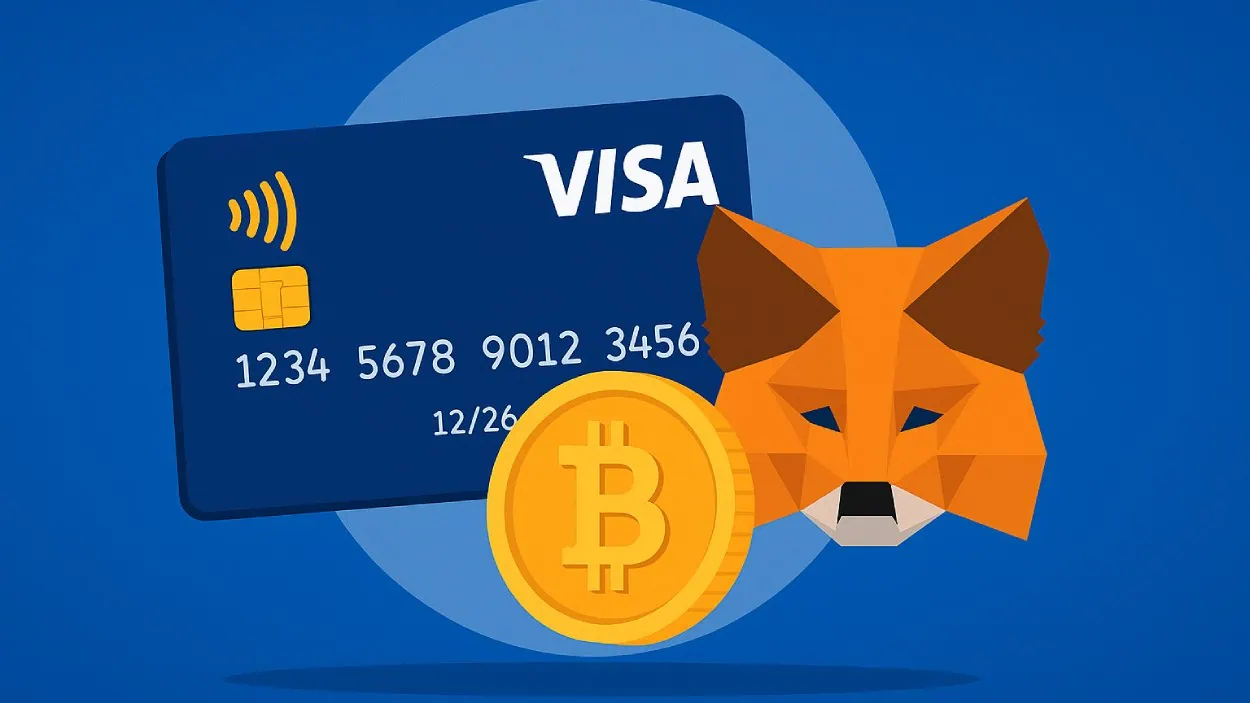







For the first time, Americans can now use their favorite crypto wallets to pay at Visa-enabled checkout counters around the world.
Key Takeaways
- Oobit has launched in the United States, allowing users to make purchases with crypto directly from self-custody wallets like MetaMask, Trust Wallet, and Base.
- The system performs instant crypto-to-fiat conversion at checkout, letting merchants receive traditional currency while users retain full control until payment.
- Backed by Tether and powered by Bakkt’s compliant infrastructure, Oobit enables seamless payments without merchant onboarding or staking requirements.
- The launch follows the GENIUS Act, which clarified U.S. regulations on stablecoins, creating the legal framework for tools like Oobit.
What Happened?
Oobit, a global crypto payments platform, has officially entered the U.S. market in its most ambitious rollout yet. The app now lets Americans pay for goods and services using crypto from their personal wallets at any location that accepts Visa. This innovation removes long-standing hurdles around crypto usability for day-to-day transactions.
🇺🇸 HISTORY MADE: For the first time ever, Americans can use their own self-custody wallets like MetaMask, Trust Wallet, Base, and more to pay directly at every Visa accepting checkout around the world.
— Oobit (@oobit) December 8, 2025
Crypto promised financial freedom but Americans were limited the moment they… pic.twitter.com/5YBgzNKG80
A Major Leap for Everyday Crypto Spending
For years, crypto has been more useful for storing and transferring value than for spending. That changes with Oobit. The app connects directly to popular self-custody wallets, allowing users to make real-time purchases with stablecoins. At checkout, the crypto is converted to fiat instantly so the merchant is paid in traditional currency while the user pays directly from their digital wallet.
Key features of Oobit’s system include:
- No need for custodial services or crypto exchanges.
- No merchant onboarding required.
- No staking, hidden fees, or exclusive token access.
- Transparent pricing and user-friendly design.
According to Oobit CEO Amram Adar, this launch is a game-changer:
He went even further, saying the moment felt “like watching ChatGPT in its first days before the world understood how fast everything would change. This is that moment for money.”
Strategic Partnership with Bakkt Ensures Compliance
To support operations in all 50 U.S. states, Oobit partnered with Bakkt, a publicly listed digital asset firm. Bakkt brings the regulated foundation needed to meet compliance standards across the country, while Oobit provides the consumer-facing technology and blockchain integration.
Akshay Naheta, CEO of Bakkt, emphasized the importance of this partnership:
This collaboration ensures that Oobit’s payment solution can scale securely and legally, helping bridge Web3 wallets with traditional payment systems.

Regulatory Green Light: The GENIUS Act
The timing of Oobit’s U.S. launch is no coincidence. It arrives shortly after the GENIUS Act, a federal move that clarified rules around stablecoins and digital payment mechanisms. This gave the green light to financial services like Oobit, enabling broader innovation in the space.
But legal clarity is only the beginning. Oobit delivers the real-world utility that regulations alone cannot achieve.
How It Works?
The user experience is simple:
- Connect your Web3 wallet to the Oobit app.
- Walk into any store that accepts Visa.
- Pay with your stablecoins.
- Oobit instantly converts your crypto to fiat, so merchants get paid in traditional currency.
This model removes the friction of traditional crypto payments and opens the door to real-world adoption. Whether it’s a cup of coffee or a shopping spree, users can now pay with crypto as easily as they would with a credit card.
CoinLaw’s Takeaway
In my experience covering the crypto space, real-world spending has always been crypto’s Achilles heel. You could hold tokens, trade them, or transfer them globally, but when it came time to buy a sandwich, you were stuck. Oobit changes that. It’s not just another wallet or exchange. It’s a spending tool, finally making crypto behave like actual money.
This isn’t hype. This is infrastructure. And with Bakkt’s regulatory backing and a simple user interface, I think Oobit is one of the few projects with real potential to make crypto mainstream in retail. I found it especially encouraging that no merchant action is needed, making adoption frictionless on both ends.