






Monero (XMR) is a leading privacy-focused cryptocurrency, hiding sender, recipient, and transaction amounts by default. Since mid-2022, it has used a “tail emission” model, ensuring continuous miner rewards instead of a fixed supply cap. As of 2025, it is worth examining the key factors that could influence XMR’s value.
This article reviews Monero’s monetary policy and technical fundamentals, potential value drivers and constraints, and presents structured scenarios for its price outlook, all based on public data and realistic assumptions.
Core Fundamentals & Network Data
| Indicator / Feature | Verified Fact (2025) / Protocol Detail |
| Circulating supply (tail‑emission era) | > 18.44 million XMR, supply can be verified by summing all block rewards. |
| Emission model | “Tail emission”: from June 2022 onward, block reward fixed at 0.6 XMR per block. |
| Block time | ~2 minutes per block target. |
| Blockchain size (full / pruned node) | Full node ~230 GiB; pruned node ~95 GiB (2025) |
| Privacy & fungibility features | Ring signatures, stealth addresses, RingCT, sender, receiver, and amount are hidden. |
| Annual tail‑emission issuance | ~157,680 XMR/year (≈ 0.6 XMR × 720 blocks/day × 365) |
| Expected long‑term inflation trend | Fixed coin issuance → inflation rate declines over time as supply grows. |
Why this matters
These data show that Monero pursues a long-term viability model: supply grows slowly and predictably, miners remain incentivized, and privacy + fungibility remain central. This sets a stable base for evaluating value, not based on artificial scarcity, but on utility and network design.
Why Monero’s Structure Matters – Strengths & Use Cases
- Privacy and Fungibility
Every XMR transaction hides sender, recipient, and amount by default, appealing to users and businesses valuing confidentiality or operating in high-surveillance jurisdictions. - Sustainable Network Incentives
Tail emission provides miners with 0.6 XMR per block indefinitely, ensuring ongoing blockchain security without relying solely on transaction fees. - Predictable Supply Growth
Monero’s supply increases modestly (~0.8–1% per year relative to ~18.4M coins), offering low, steady inflation that supports long-term stability. - Decentralized Distribution
Launched without premine, ICO, or team allocations, all coins have been mined via PoW since 2014, ensuring fair distribution. - Practical Use Cases
Monero is widely used for private payments, cross-border transfers, remittances, and confidential transactions, making it one of the most mature privacy-focused cryptocurrencies. For those exploring how to buy XMR in a safe and secure way, reputable platforms offer accessible options.
Key Constraints & Trade‑offs
- Node Requirements and Scalability
Running a full node requires ~230 GB of storage, which may limit participation to technically capable users. While pruned nodes reduce storage needs (~95 GB), a large blockchain size can still influence decentralization and network resilience. - Limited On-Chain Metrics
Due to privacy, it is difficult to measure transaction volume, active addresses, or holdings distribution. Analysts must rely on proxy metrics such as exchange inflows/outflows, merchant adoption, or liquidity data to gauge network activity. - Regulatory and Market Pressures
Privacy coins like Monero face regulatory scrutiny, including potential delisting from exchanges or stricter compliance rules. Such factors can limit market access and affect liquidity, independent of Monero’s technical fundamentals.

Supply Projection: Tail Emission Through 2035
Below is a basic projection of Monero’s total supply under the tail emission schedule, assuming 0.6 XMR per block and a constant 2‑minute block time.
| Year | Years After Tail Start (2022) | Additional XMR Issued (Tail) | Approx. Total Supply (XMR) |
| 2022 | 0 | 0 | ~18,132,000 |
| 2025 | 3 | ~473,040 | ~18,605,000 |
| 2027 | 5 | ~788,400 | ~18,920,400 |
| 2030 | 8 | ~1,262,400 | ~19,394,400 |
| 2035 | 13 | ~2,049,600 | ~20,181,600 |
Analytical Insight
Even after more than a decade, Monero’s supply growth remains modest. This slow, predictable increase reduces the risk of sudden market shocks from inflation, supporting steady network security and long-term operational sustainability.
What Can Drive Monero’s Value – Potential Catalysts
| Factor | Impact on Value |
| Rising demand for privacy | Greater use for confidential transactions and cross-border payments increases utility-driven demand. |
| Stable network security | Continuous miner rewards maintain blockchain integrity, supporting long-term confidence. |
| Broader adoption | More merchants, remittance services, and payment platforms using XMR can boost transaction volume. |
| Regulatory clarity | Clear, favorable rules for privacy coins can improve accessibility and adoption. |
| Macro-economic pressures | Currency devaluation or capital controls may increase reliance on privacy-focused digital assets. |
| Technical improvements | Upgrades in scalability, usability, or wallet support enhance adoption potential. |
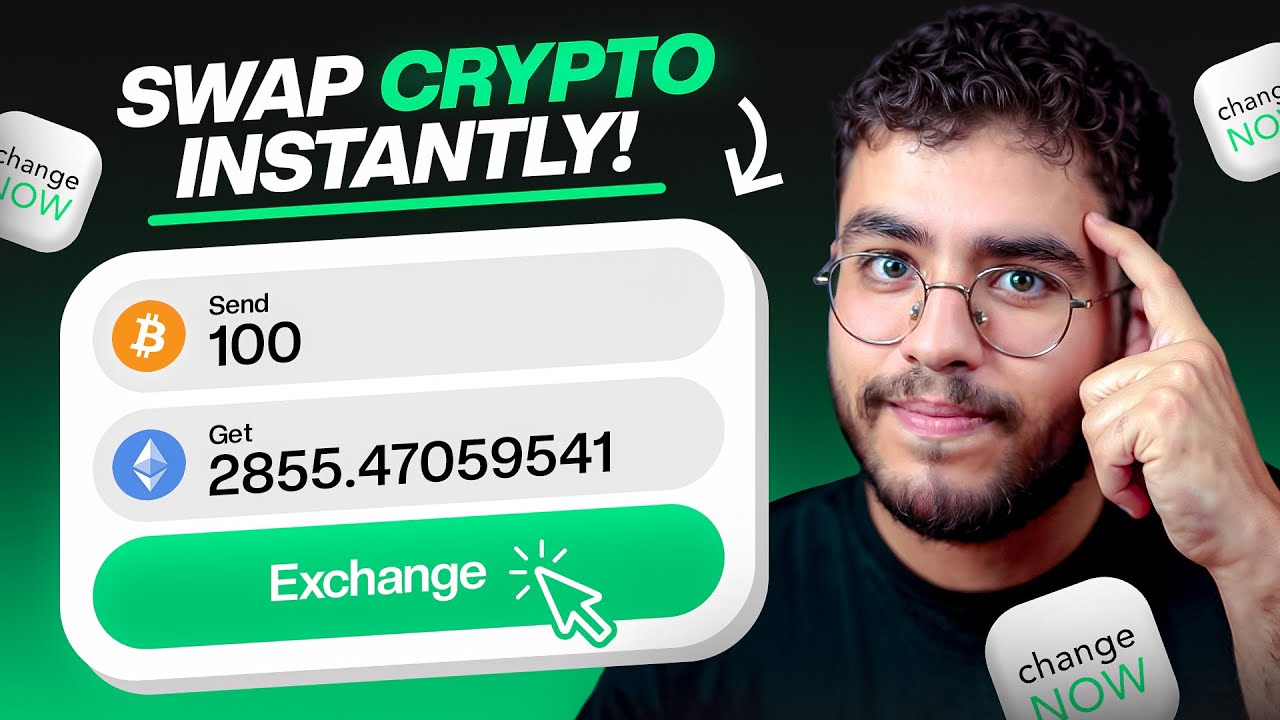
Observing how Monero is used in practice provides insight into adoption and liquidity. For a hands-on demonstration of practical Monero usage, this video shows step-by-step crypto swaps without registration or limits, illustrating how accessible XMR is in real-world scenarios.
While these factors don’t guarantee price changes, converging trends in adoption, utility, and market conditions could meaningfully support XMR’s value over time.
Scenario-Based Price Outlook (2026–2030 & Beyond)
Given Monero’s characteristics and potential external influences, below is a structured but conditional outlook on where XMR price could move, with caveats.
| Scenario | Preconditions | Estimated XMR Price Range (USD) | Rationale / Risks |
| Baseline / Stability | Modest privacy demand, stable mining, moderate adoption | $250–$400 | Reflects value based on network utility, steady but limited demand. |
| Moderate Growth | Strong privacy demand, favorable regulation, and macroeconomic instability | $400–$550 | Growing use cases increase demand relative to slow supply growth. |
| Adoption‑driven Upside | Regulatory crackdowns, delisting, and collapsing demand | $550–$700 | Utility + demand + limited inflation supports price improvement. |
| Downside / Risk Realization | Regulatory crackdowns, delisting, collapsing demand | $150–$250 | External pressures suppress liquidity and reduce demand. |
Important
These are conditional scenarios, not forecasts. Many external variables, macroeconomics, regulation, and adoption – lie outside Monero’s protocol.
FAQ
No. Monero uses tail emission, issuing 0.6 XMR per block indefinitely. Supply grows slowly, maintaining predictable inflation while securing long-term network operation.
Block rewards (coinbase) are public. Summing these rewards allows auditing of the total supply, despite transaction amounts and participants being hidden.
Unlikely. Issuance is modest relative to total supply, and the annual inflation rate decreases over time, providing stability.
Anyone with sufficient storage (~230 GB for a full node). Pruned nodes allow participation with reduced storage requirements, supporting decentralization.
No. Ring signatures, stealth addresses, and RingCT conceal senders, recipients, and amounts, making on-chain tracing extremely difficult.
Key risks include regulatory restrictions, exchange delistings, limited liquidity, declining adoption, and potential macroeconomic factors affecting privacy demand.
Yes. Its privacy model, transaction efficiency, and existing liquidity support confidential payments, remittances, and cross-border transfers.
Rising privacy demand, merchant adoption, regulatory clarity, global economic instability, and technical improvements can all enhance utility and demand.
Monero’s Value Perspective
Monero prioritizes privacy, fungibility, and long-term network sustainability over scarcity. Tail emission keeps miners incentivized, supporting real-world privacy use rather than speculation.
As of 2025, supply growth is modest and predictable, and the network operates reliably. Rising demand for private transactions could support moderate value appreciation, while regulatory restrictions or reduced liquidity may limit upside.
Overall, Monero is best viewed as a utility-focused privacy coin, with strength in consistent functionality, privacy, and stability rather than hype or artificial scarcity.