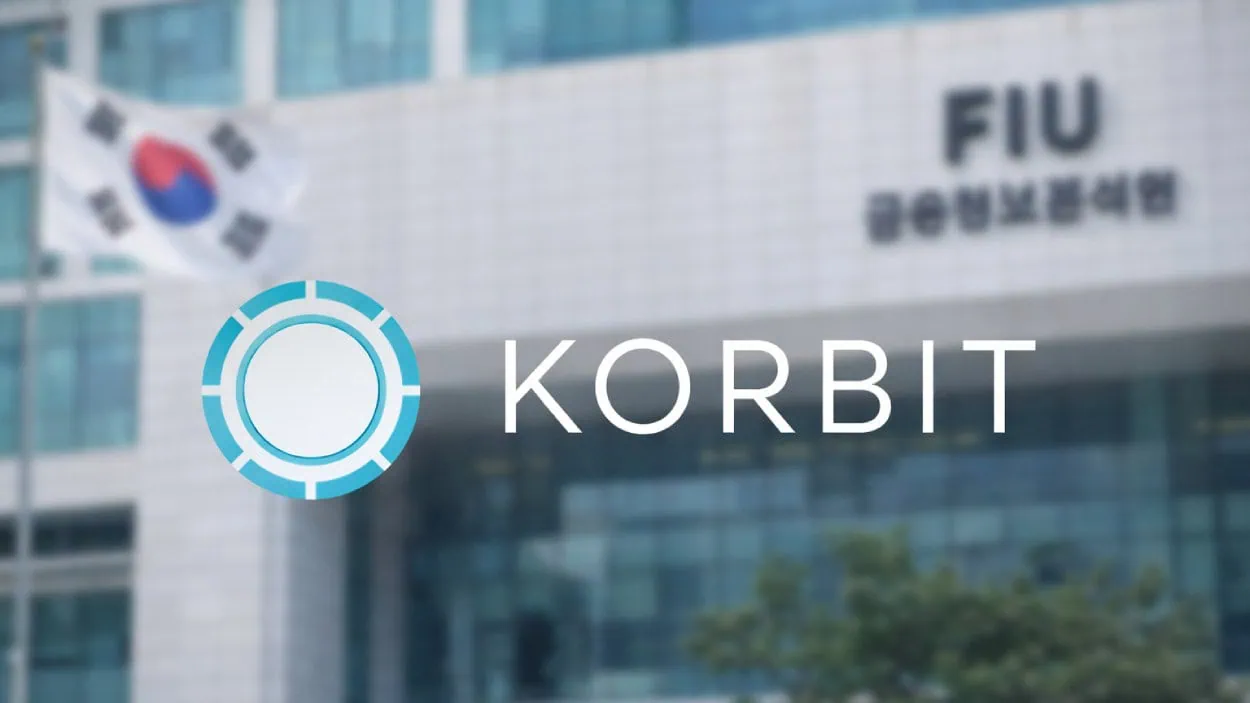







Korbit has decided not to challenge South Korea’s financial regulator after being hit with a multimillion dollar fine tied to anti money laundering compliance failures.
Key Takeaways
- Korbit will not appeal a roughly $2 million fine imposed by South Korea’s Financial Intelligence Unit.
- Regulators uncovered tens of thousands of AML and KYC violations during a 2024 on site inspection.
- The exchange says it has already completed corrective actions and plans to strengthen user protection and internal controls.
- The decision comes as Korbit faces shrinking market share and ongoing ownership change talks.
What Happened?
South Korean cryptocurrency exchange Korbit announced that it will accept sanctions imposed by the Financial Intelligence Unit, choosing not to file an administrative lawsuit. The penalties stem from an extensive anti money laundering inspection conducted in late 2024, which revealed widespread compliance failures across the platform.
FIU Inspection Reveals Widespread Compliance Issues
The Korea Financial Intelligence Unit carried out an on site inspection of Korbit in October 2024 as part of a broader regulatory sweep of all won trading crypto exchanges in the country. According to the regulator, the review uncovered violations of the Specific Financial Information Act, including failures in transaction monitoring, customer due diligence, and restrictions on prohibited transactions.
Investigators identified around 22,000 separate violations at Korbit. These included thousands of cases where users were allowed to register or trade using blurred or incomplete identification documents, as well as accounts missing residential address information. The FIU also found that Korbit permitted trading activity from customers who had not completed full know your customer checks.
In addition, the regulator said Korbit processed multiple transfers with overseas virtual asset service providers that were not registered with South Korean authorities, further compounding the seriousness of the findings.
Financial Penalty and Executive Sanctions
Following a lengthy investigation, the FIU convened a disciplinary committee meeting on December 31. The committee decided to issue Korbit an institutional warning and impose a fine of approximately 2.73 billion won, or just under $2 million.
Personnel sanctions were also included. Korbit’s chief executive officer received an official warning, while the executive responsible for regulatory reporting was formally reprimanded. The enforcement action was later reported by Business Post, with additional coverage from other local media.

Korbit Chooses Compliance Over Legal Action
In a public statement, Korbit said it would respect the FIU’s decision and accept the penalties without appeal.
“We respect and humbly accept the Financial Intelligence Unit’s decision to impose a fine,” the company said, adding that the choice was made to support transparency and the healthy development of the virtual asset market.
Korbit also stated that it had faithfully completed all corrective actions outlined in the post inspection report before receiving formal notice of the sanctions. The exchange said it would use the incident as a turning point to further strengthen internal controls and enhance user protection standards.
Market Pressure and Ownership Changes Loom
The fine lands at a difficult time for Korbit. Once South Korea’s first crypto exchange and an early market leader, the platform has seen its influence steadily decline. Its average daily trading volume has fallen to just over $12 million, representing roughly 0.5 percent of the domestic market.
At the same time, Korbit is preparing for a potential change in ownership. The exchange is currently majority owned by gaming giant Nexon through its holding firm NXC, with a subsidiary of SK holding about one third of the shares.
Securities firm Mirae Asset is reportedly in talks to acquire Korbit, with local newspaper Chosun Ilbo reporting a preliminary memorandum of understanding valued between $68 million and $95 million. Final terms have not yet been confirmed.
CoinLaw’s Takeaway
In my experience watching crypto regulation in South Korea, this feels like a clear signal that regulators are done giving second chances. Korbit’s decision not to fight the fine tells me the evidence was overwhelming and the risk of prolonged legal conflict simply was not worth it. I found the scale of the violations especially striking, and it highlights how unforgiving compliance failures have become in mature crypto markets. If Korbit truly follows through on tighter controls, this could be a reset moment, but trust will not come back overnight.