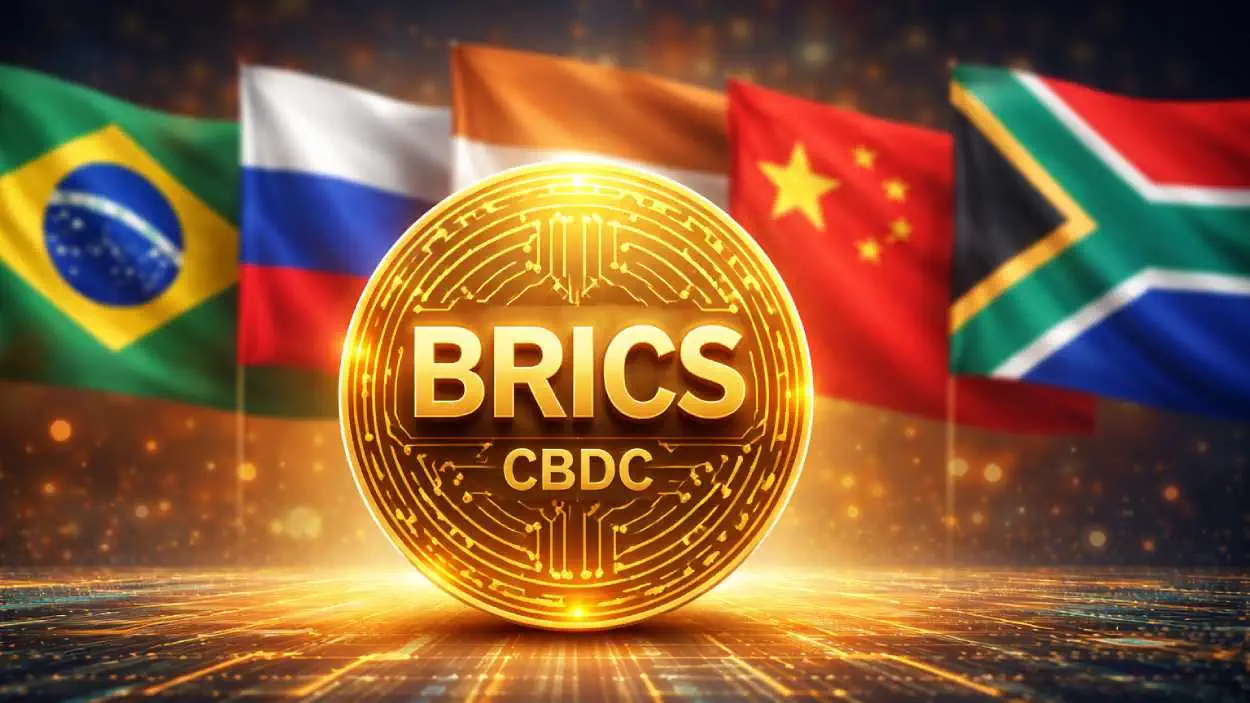







India’s central bank has proposed a major initiative to interlink digital currencies across BRICS nations, aiming to simplify trade and tourism transactions while reducing reliance on the US dollar.
Key Takeaways
- The Reserve Bank of India (RBI) is urging the Indian government to place a BRICS-wide CBDC connectivity proposal on the 2026 summit agenda.
- The initiative would connect national digital currencies like the e-rupee and digital yuan for direct settlement of cross-border payments.
- RBI positions the plan as a strategic response to geopolitical tensions and rising tariff threats from the United States.
- Implementation faces hurdles around interoperability, governance and trade imbalance solutions, particularly as BRICS expands.
What Happened?
The RBI has recommended that the Indian government formally introduce a plan to connect the central bank digital currencies (CBDCs) of BRICS members at the 2026 summit, which India is set to host. The proposal aims to build a digital payment rail between member nations, facilitating cross-border transactions in local digital currencies rather than using the US dollar.
🚨Breaking: India’s central bank is pushing to link BRICS digital currencies to power seamless cross-border trade & tourism.
— Victus Global (@Victusglobal) January 19, 2026
A bold move that could reshape global payments. 🌍💱 pic.twitter.com/fxns4TRiMB
BRICS CBDC Network Aims to Redefine Cross-Border Payments
India’s proposal would mark the first coordinated effort to link sovereign digital currencies under a multilateral framework within the BRICS alliance. The goal is to allow members including Brazil, Russia, India, China and South Africa, along with newer entrants like the UAE, Iran and Indonesia, to conduct direct settlements for trade and tourism without routing transactions through traditional, dollar-based correspondent banking systems.
According to Reuters, the RBI emphasized that such a system would enhance efficiency by cutting out intermediaries, reducing transaction costs, and speeding up settlements. It also pointed to mounting trade tensions and tariff threats from the US, including recent actions by former President Donald Trump, who has called BRICS “anti-American” and warned of steep penalties for moves that undermine dollar dominance.
Building on Previous BRICS Commitments
This move expands on existing language from the 2025 BRICS Rio de Janeiro declaration, which backed deeper interoperability among member nations’ payment systems. The RBI has previously expressed interest in linking the e-rupee with other digital currencies to extend the rupee’s global reach, though it clarified the push is not meant to deliberately drive de-dollarisation.
The proposal also aligns with global trends where payments infrastructure is becoming a strategic asset. The increasing relevance of both CBDCs and private stablecoins has heightened the urgency for sovereign alternatives that offer more control and stability.

Technical and Political Challenges Ahead
Although promising, the path to implementation is complex. None of the core BRICS members have fully launched their CBDCs yet, though all are running advanced pilot programs. As of January 2026, India’s e-rupee has attracted about 7 million retail users, and China is actively working to promote international use of the digital yuan, including offering interest on deposits in some cases.
Execution of a shared system will require:
- Common technical interoperability standards
- Robust governance frameworks
- Mechanisms for managing trade imbalances, such as bilateral foreign exchange swap lines
These technical hurdles echo earlier challenges in BRICS local-currency trade initiatives. For example, Russia previously amassed large amounts of Indian rupees it struggled to utilize, prompting the RBI to allow investment of those balances into Indian government bonds.
CoinLaw’s Takeaway
In my experience covering global finance and digital currencies, this is a bold and necessary move by India and the BRICS bloc. The dollar’s grip on international trade is not just economic, it’s deeply political. By building a CBDC bridge, BRICS countries could finally gain more autonomy over how they move money and make deals. I found it especially significant that this proposal comes just after stalled US-India trade talks and rising protectionism. If done right, this could reshape the entire landscape of emerging market trade. But the devil is in the details, and technical hurdles plus global scrutiny mean BRICS needs to tread carefully and collaboratively.