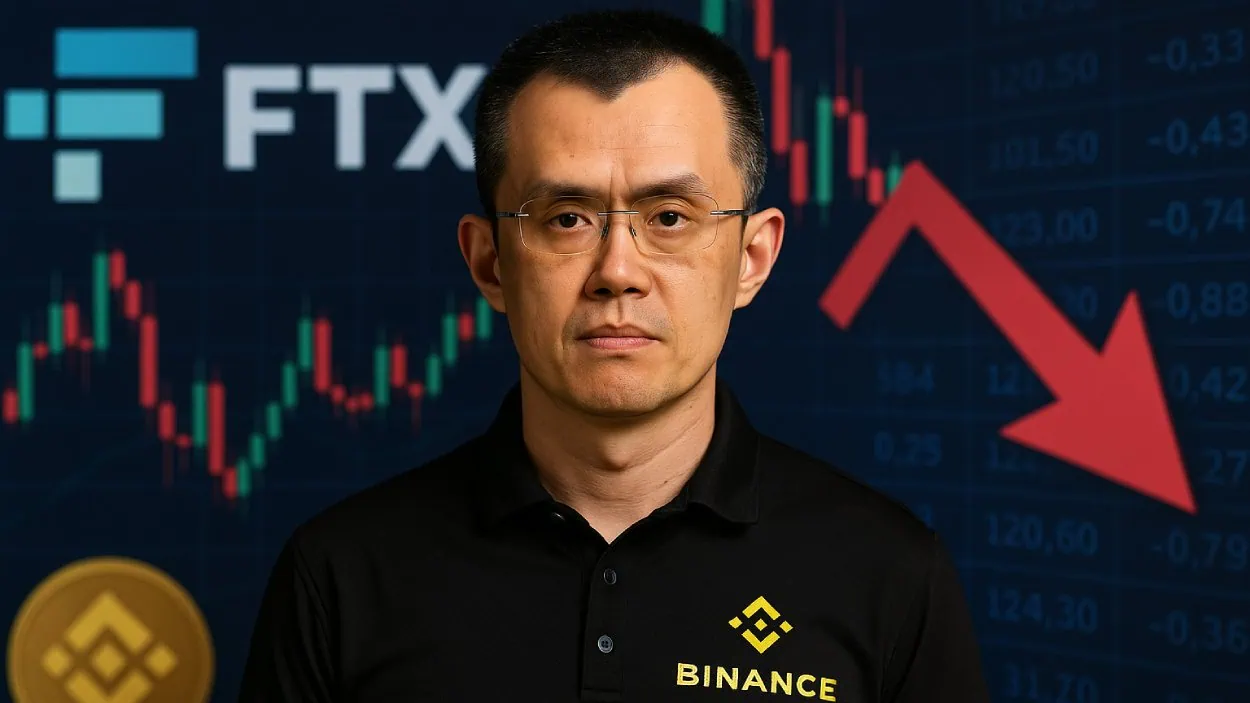







Changpeng Zhao, the co-founder of Binance, is making headlines once again as he sets his sights on reviving Binance’s presence in the United States following his pardon by former President Donald Trump.
Key Takeaways
- Binance is exploring a return to the US market, focusing on relaunching Binance.US through new leadership and partnerships.
- Changpeng Zhao may reduce his stake in the company, which has been a regulatory obstacle in key states.
- A partnership with USD1, a stablecoin linked to Trump’s crypto interests, signals Binance’s growing political ties in the US.
- The exchange is considering collaboration with firms like BlackRock and World Liberty Financial to strengthen its US footprint.
What Happened?
Binance is reportedly planning a strategic reentry into the US crypto market. Although it had exited direct operations in the country in 2019, new efforts are underway to relaunch Binance.US. These moves come after co-founder Changpeng Zhao received a presidential pardon and signaled renewed interest in expanding Binance’s influence in America.
JUST IN: 🇺🇸 Binance is weighing a relaunch of Binance US, including a possible recapitalization that would reduce CZ’s stake – Bloomberg. pic.twitter.com/a0mGaeL5pg
— Whale Insider (@WhaleInsider) December 17, 2025
Binance’s Strategic Path Back to the US
After exiting the US market in 2019, Binance established a separate entity, Binance.US, to comply with local regulations. However, due to regulatory scrutiny and Zhao’s 2023 plea agreement related to anti-money laundering failures, the company faced ongoing challenges in regaining trust and legal clarity.
Now, Zhao’s recent pardon and his public declarations have reignited ambitions. At Binance Blockchain Week, Zhao stated, “It is my full attention to help make America the capital of crypto.” He also emphasized the importance of expanding in what he calls an “emerging market” for Binance.
Zhao currently holds a majority stake in the company, which is seen as a barrier to operating in certain US states. To address this, sources say Zhao is considering reducing his ownership, which could make Binance’s US expansion more viable under regulatory expectations.
New Leadership and Recapitalization Efforts
As part of its reboot strategy, Binance has restructured leadership with Yi He and Richard Teng as co-CEOs. Yi He’s role is particularly significant, as she is tasked with redefining Binance’s user experience and compliance strategy, especially in the highly regulated US market.
The company is reportedly considering recapitalizing Binance.US, an effort that may involve securing new funding and forming partnerships with established American firms. Although no official announcements have been made, BlackRock and World Liberty Financial (WLFI) are mentioned as potential collaborators.

Political Partnerships and the Role of USD1
One of Binance’s boldest moves in this strategy is its endorsement of the stablecoin USD1, created by WLFI and co-founded by Donald Trump. Binance has started offering fee-free trading for major cryptocurrencies like Ethereum and Solana paired with USD1, aiming to boost its competitive edge.
This partnership suggests a deeper alignment with political interests and raises questions about the influence of government relationships on crypto oversight. Supporters argue that such ties could help shape friendlier regulations, while critics warn of the ethical and legal implications.
Legislative Landscape: Uncertainty Remains
Despite these ambitious plans, Binance’s return is far from certain. A proposed congressional bill to create a national crypto licensing framework could simplify the process, but political disagreements have stalled its progress. In the meantime, the fragmented regulatory landscape remains a significant challenge for any exchange trying to operate across multiple states.
Binance has not issued an official statement on these developments. A spokesperson commented, “We cannot comment on hypothetical storylines,” dismissing speculation but not ruling out future changes.
CoinLaw’s Takeaway
In my experience covering crypto firms navigating the US market, Binance’s comeback plan feels like a calculated blend of ambition and political maneuvering. CZ’s willingness to reduce his stake and the exchange’s alignment with Trump-linked crypto projects is a bold but risky move. It’s clear they’re trying to shift their image from defiance to cooperation, but rebuilding trust with regulators and users won’t happen overnight.
If Binance can pull this off, it might signal a new chapter for international exchanges trying to crack the US code. But for now, they’ll need to prove that their compliance and partnerships are more than just headlines.