






Zcash’s original development team has officially separated from Electric Coin Company and launched a new independent entity called ZODL, taking the flagship Zashi wallet with them under a new name.
Key Takeaways
- The original Zcash development team has left Electric Coin Company following governance disputes.
- The team formed a new independent entity called Zcash Open Development Lab, or ZODL.
- The Zashi wallet has been rebranded to Zodl, with no changes to user funds, security, or functionality.
- The Zcash blockchain and ZEC asset remain unchanged, with no fork taking place.
What Happened?
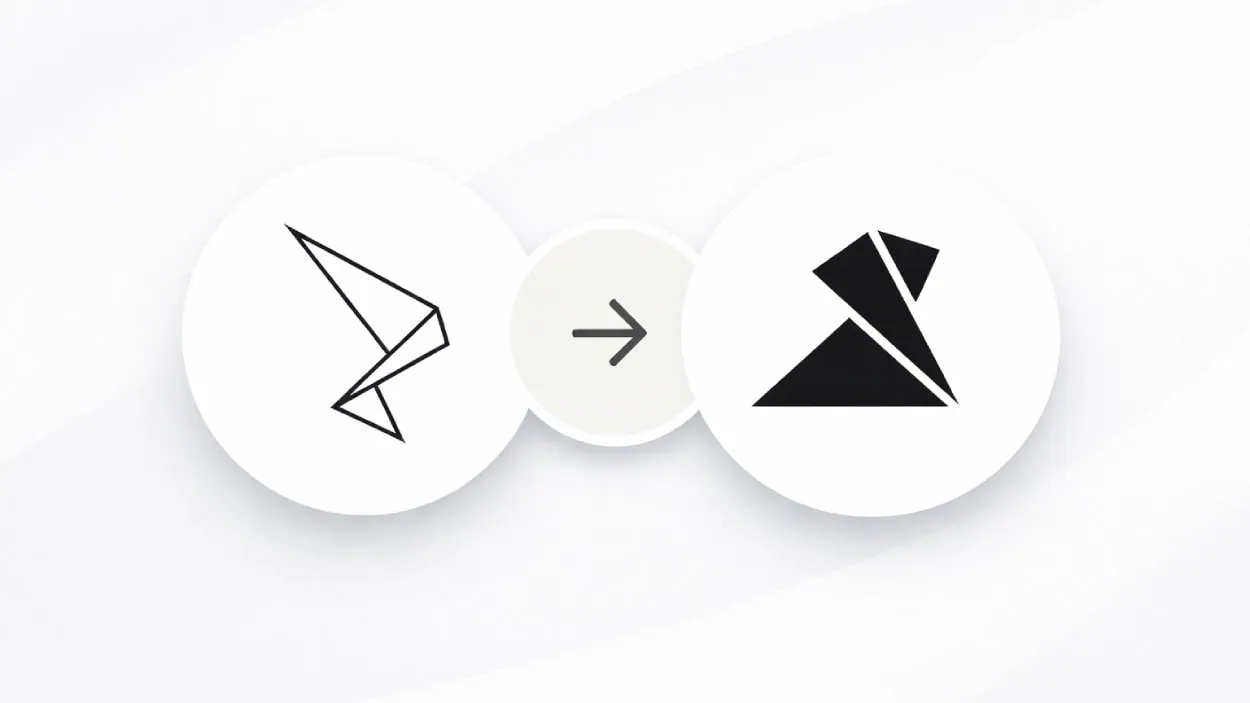
The original engineers behind Zcash have formally broken away from Electric Coin Company after months of governance disagreements. The team has established a new independent organization, Zcash Open Development Lab, also known as ZODL, and rebranded the Zashi mobile wallet as Zodl.
The transition will occur automatically through a routine app update, and users will not need to download a new application, move funds, or change their recovery phrases.
— Zashi (@zashi_app) February 16, 2026
Governance Dispute Leads to Structural Split
The break began in January 2026, when the entire Electric Coin Company staff resigned following a governance dispute with Bootstrap, the nonprofit that owns ECC. The conflict reportedly centered on issues of control, autonomy, funding, and the broader direction of Zcash development.
While Electric Coin Company continues to exist as a legal entity under Bootstrap ownership, it no longer employs the original engineers who built much of Zcash’s core privacy infrastructure and its flagship wallet.
The newly formed ZODL now includes the same development and product team that played a key role in shaping Zcash’s privacy technology. According to the team, the move allows them to pursue long term growth without relying on the Zcash Development Fund.
Zashi Becomes Zodl with No Disruption to Users
As part of the transition, the Zashi wallet has been renamed Zodl. The team confirmed in its Feb. 16 statement that the update will not change how the wallet functions. Security, balances, transaction history, and seed phrases will remain intact.
The app will continue to operate on the Zcash blockchain without interruption. Importantly, the blockchain itself has not forked. Blocks continue to process normally, and the ZEC asset remains the same.
Over the coming days, the Zashi name will be replaced with Zodl across official websites, support channels, and social media platforms.
In its announcement, the team stated, “We envision a world without mass financial surveillance,” emphasizing that financial privacy remains central to its mission. The developers said they will continue focusing on expanding access to shielded ZEC and improving user experience.
Currently, shielded ZEC transactions account for roughly 30 percent of the circulating supply, reflecting growing interest in privacy features within the ecosystem.

Two Organizational Centers Now Shape Zcash’s Future
With ZODL operating independently and ECC still existing under Bootstrap ownership, Zcash now effectively has two organizational centers tied to its future development.
Observers have compared the split to the divide between OpenAI and Anthropic, where founding engineers left to form a new independent organization after disagreements over governance and strategy. In both cases, the technical leadership chose to regroup outside the original corporate structure while continuing to pursue their original mission.
Despite the organizational split, ZODL made clear that the team has not left the Zcash ecosystem. Instead, it has retained operational continuity through the wallet infrastructure and ongoing development efforts.
Meanwhile, the Zcash Foundation recently published its 2026 roadmap outlining plans to improve wallet usability, developer tools, and network infrastructure. Analysts say the current split highlights the tension that can arise between nonprofit governance bodies and independent developer teams in decentralized projects.
CoinLaw’s Takeaway
From my perspective, this is not just a rebrand. It is a defining moment for Zcash. In my experience covering crypto governance disputes, when the original builders walk away but continue building independently, it signals a deeper struggle over vision and control.
What stands out to me is that users are not caught in the middle. There is no fork, no token change, and no forced migration. That level of continuity shows maturity from both sides.
I found it particularly interesting that the team emphasized privacy as a core principle rather than a feature. In a time when financial surveillance concerns are rising globally, projects that stay focused on their mission often attract stronger long term support.