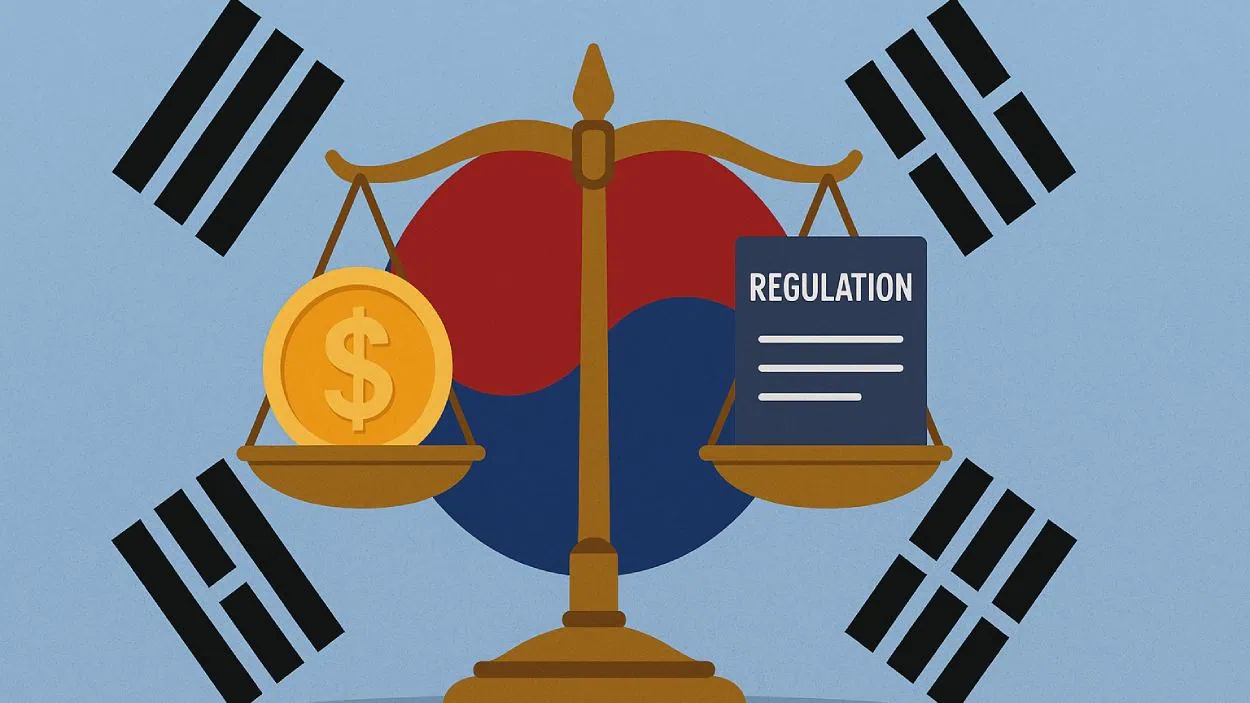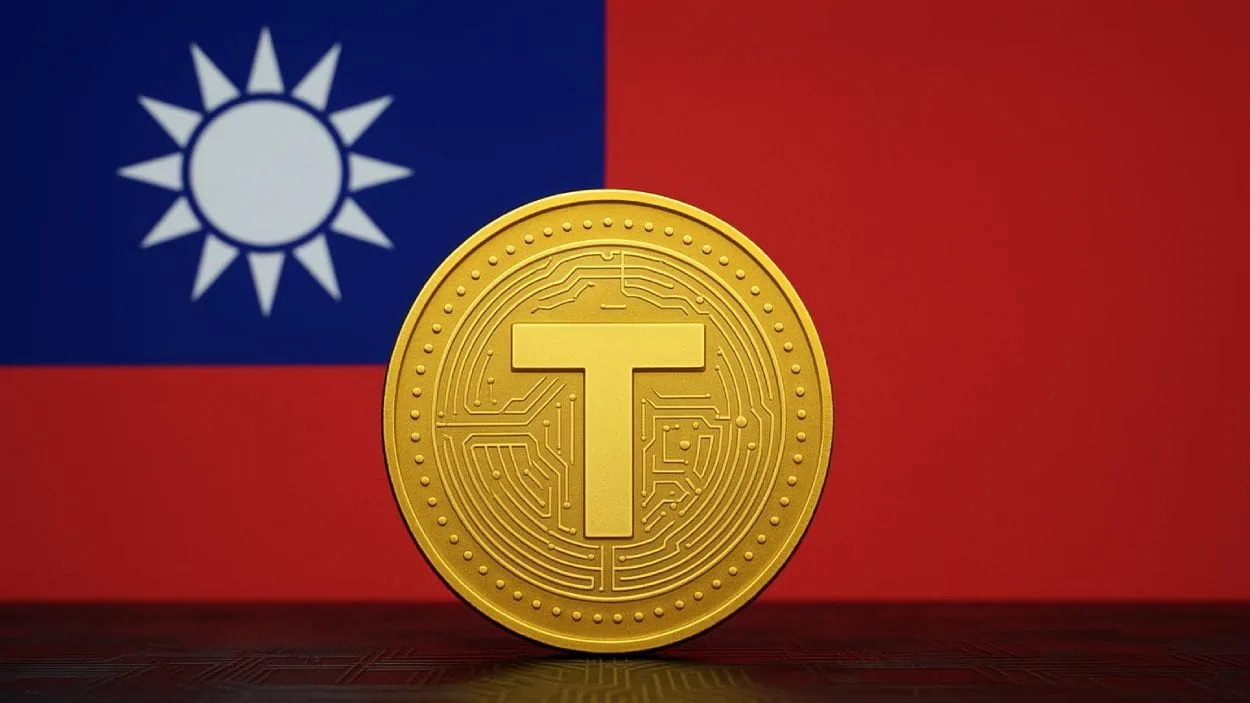







Taiwan’s first government-regulated stablecoin is on track for a late 2026 launch, pending final approval of a new digital asset law that aims to build a secure and compliant crypto ecosystem.
Key Takeaways
- Taiwan’s Virtual Assets Service Act is nearing final legislative approval, potentially clearing the path for stablecoin regulation.
- Only licensed financial institutions will be allowed to issue stablecoins initially, to ensure monetary stability and risk control.
- Regulators will wait six months after the law passes before allowing issuance, to finalize detailed supervisory rules.
- The stablecoin may be pegged to either the Taiwan dollar or the US dollar, but a final decision has not yet been made.
What Happened?
Taiwan’s Financial Supervisory Commission (FSC) has confirmed that the country could see its first stablecoin by the second half of 2026, depending on the progress of the Virtual Assets Service Act. The law is currently under review and is expected to pass in the upcoming legislative session. Once approved, a structured rollout will follow, including a six-month regulatory preparation window.
A Taiwan-issued stablecoin may enter the market in the latter half of 2026 at the earliest based on the current timeline for passing related legislation, Financial Supervisory Commission Chairman Peng Jin-long said Wednesday.https://t.co/5FccO92PY8
— Focus Taiwan (CNA English News) (@Focus_Taiwan) December 3, 2025
Taiwan’s Legislative Push for Stablecoin Regulation
Taiwan’s push into the stablecoin space represents a significant shift toward formalizing digital asset regulation. The proposed Virtual Assets Service Act has passed several cabinet-level screenings and is poised for a third legislative reading. According to FSC Chairman Peng Jin-long, the law will form the legal foundation for stablecoins and broader digital asset activities.
After the Act is enacted, the FSC will announce detailed subordinate regulations and allow for a six-month buffer period before any stablecoin can be issued. This staged approach is designed to avoid rushed implementation and to ensure all issuers operate under clearly defined rules.
Key provisions of the framework include:
- Full reserve backing of stablecoin assets.
- Local custody of user funds, ensuring segregation from issuer accounts.
- Regular oversight and compliance checks by regulators.
These measures are modeled closely after the European Union’s Markets in Crypto-Assets (MiCA) framework, which has become a global reference for crypto regulation.
A Conservative Launch Model
While the law does not explicitly limit who can issue stablecoins, the FSC and Taiwan’s central bank have agreed that only established financial institutions will be permitted to issue stablecoins in the initial phase. This risk-managed strategy prioritizes financial stability and liquidity control, given the critical role of stablecoins in domestic usage and potential cross-border payments.
Peng emphasized that financial institutions are better positioned to meet reserve and reporting requirements, especially during the early phase of the rollout.

Currency Peg Still Undecided
One key detail that remains unresolved is whether the stablecoin will be pegged to the Taiwan dollar (TWD) or the US dollar (USD). Each option presents unique challenges:
- TWD Peg: Aligns with Taiwan’s domestic payment systems but must comply with strict controls on offshore currency circulation.
- USD Peg: Easier for cross-border transactions but may not suit local economic policies.
Officials have confirmed that the decision will depend on liquidity management needs and capital requirements for issuers, and no firm timeline has been announced for this decision.
Regulatory Outlook and Next Steps
Although progress has been steady, no draft of the subordinate stablecoin regulations has been released publicly. Lawmakers have called for greater transparency as Taiwan finalizes the framework. The central bank and the FSC will jointly oversee the entire issuance process, from selecting technology platforms to enforcing compliance.
Key points still pending:
- Choice of peg currency.
- Technology and platform standards for integration.
- Selection of initial issuers, which remains undecided.
If legislative steps proceed without delay, Taiwan will enter 2027 with a tightly regulated and fully operational stablecoin ecosystem, putting it in line with jurisdictions like the EU and Singapore that are building robust digital asset rules.
CoinLaw’s Takeaway
In my experience covering digital asset regulations, Taiwan’s approach feels like a textbook case of measured innovation. Instead of chasing headlines with a quick launch, the regulators are putting structure before speed, which is exactly what this sector needs. I found it particularly smart that they’re modeling their rules on MiCA. That shows they’re serious about getting it right, not just getting it done. For users and institutions alike, that’s a big win. A stablecoin rollout done wrong can create chaos. Taiwan seems determined not to let that happen.