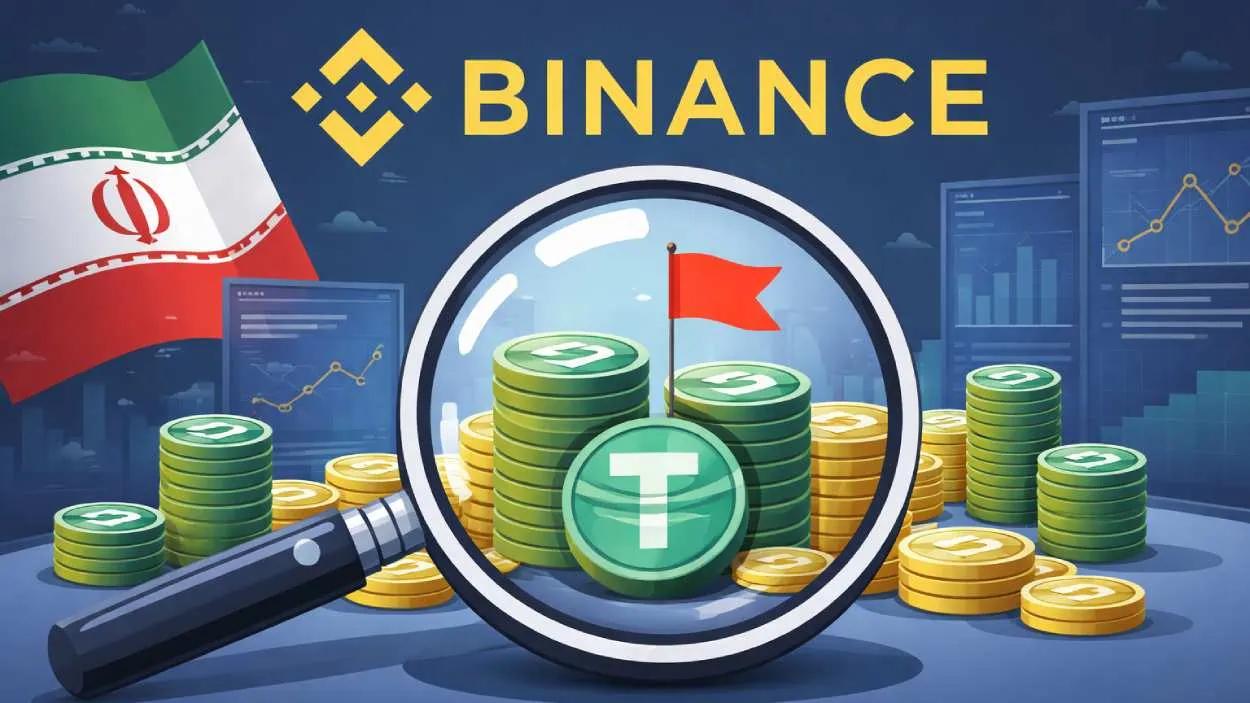







Binance has fired multiple internal investigators who flagged more than $1 billion in suspected Iran linked USDT flows, according to reporting that is now raising fresh questions about the exchange’s compliance promises.
Key Takeaways
- Binance reportedly dismissed at least five investigators who flagged over $1 billion in suspected Iran linked USDT transactions routed through the exchange.
- The flagged flows reportedly ran from March 2024 to August 2025, using USDT on Tron, a setup often associated with sanctions evasion patterns tied to Iran.
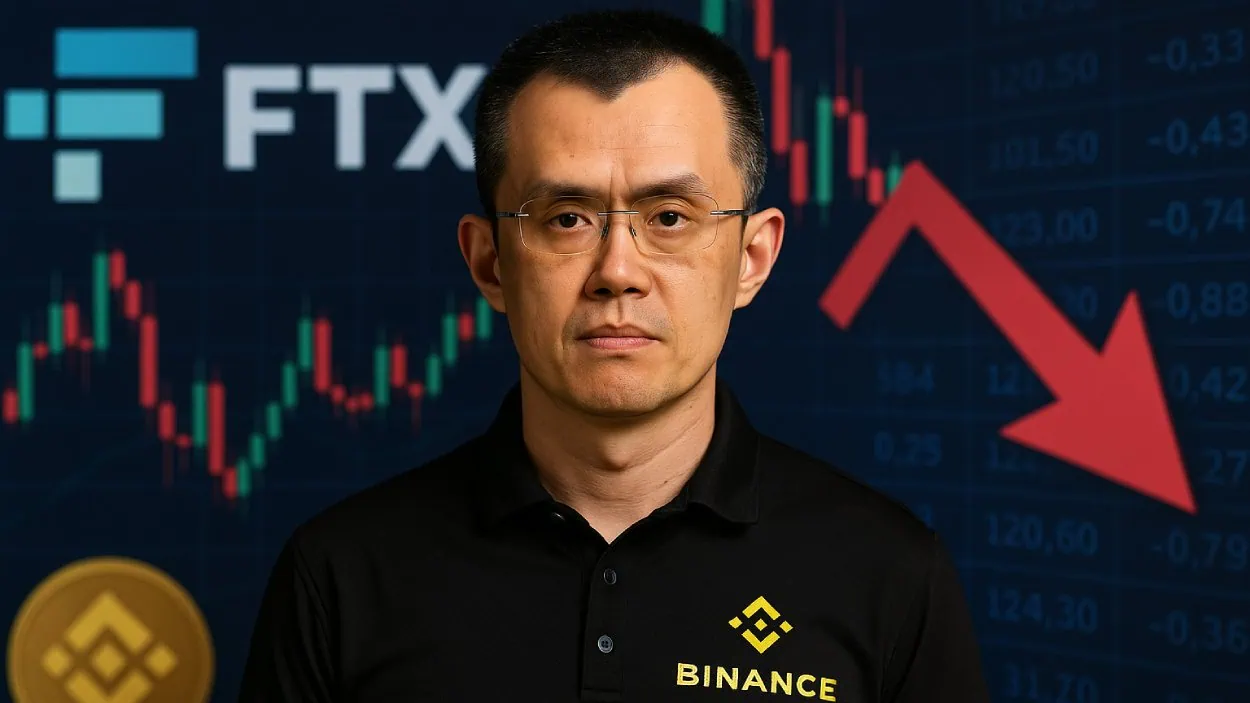
- Former CEO Changpeng Zhao publicly denied the claims and called the allegations “self contradicting.”
- The allegations land while Binance remains under US oversight following its November 2023 settlement over anti money laundering and sanctions failures.
What Happened?
A report said Binance fired a group of compliance investigators after they internally flagged more than $1 billion in USDT transactions tied to Iranian counterparties. Former Binance CEO Changpeng Zhao pushed back on the report, arguing the claims do not add up and pointing to third party screening tools used by Binance.
I don’t know any details or who, but just reading the article, it’s self contradicting 👇.
— CZ 🔶 BNB (@cz_binance) February 13, 2026
One could also make a narrative “maybe they were fired because they didn’t prevent it?” IF it were even true. It would also mean the 3rd party tools (the same used by law enforcement)… https://t.co/VzwvKwmAd4 pic.twitter.com/3JSdGGMcsV
A New Flashpoint for Binance Compliance
The reporting describes a set of internal compliance findings that allegedly tracked USDT transfers moving through Binance between March 2024 and August 2025. The transactions were said to settle in Tether’s USDT on the Tron blockchain, a network frequently used for fast stablecoin transfers due to low fees and wide availability.
If the counterparties were tied to Iran as alleged, the flows could represent potential violations of United States sanctions. Binance has long listed Iran as a restricted jurisdiction, which makes the core question simple: why were these flows allegedly still able to move through the platform at scale.
A Binance spokesperson told Fortune the company cannot comment on ongoing investigations while reaffirming its commitment to sanctions compliance, according to the report.
Investigators Fired and Senior Compliance Exits
The report said Binance fired at least five compliance investigators, with terminations beginning in late 2025. Several of the dismissed staff had law enforcement backgrounds across Europe and Asia and worked on sensitive areas like sanctions evasion and counter terror financing.
The same reporting also described additional churn in the compliance organization. At least four other senior compliance employees reportedly resigned or were pushed out in the last three months.
One former United States Justice Department official, Robert Appleton, who led Iran related sanctions cases, described the idea of investigators being fired while an active federal monitorship is in place as “rather shocking,” according to Fortune.

CZ Pushes Back Publicly
Zhao responded publicly to the allegations and denied that Binance fired investigators over Iran linked findings. He called the claims “self contradicting” and argued that if investigators identified the activity, they also should have prevented it.
Zhao also pointed to Binance’s use of third party anti money laundering screening tools, saying these tools are also used by law enforcement agencies to flag suspicious activity.
That response matters because it frames Binance’s defense as a systems and tools argument, rather than a direct explanation of what happened with the specific flagged flows.
The Shadow of the 2023 Settlement
This controversy reopens a chapter Binance has tried hard to close since its blockbuster settlement with the United States government in November 2023. Binance agreed to pay $4.3 billion and Zhao stepped down and later served a four month prison sentence as part of the case, according to prior reporting tied to that settlement.
Binance has also tried to show a compliance rebuild in public. In November 2024, Binance said it planned to expand its full time compliance staff by 34 percent to 645 employees by the end of 2024, while also stating it had more than 1,000 compliance focused staff including contractors.
Still, separate reporting has added pressure. The Financial Times reported in December 2025 that suspicious accounts continued to operate on Binance after the 2023 plea agreement, including activity linked to networks moving funds connected to Iran and Hezbollah.
CoinLaw’s Takeaway
I found the most alarming part here is not the blockchain details. It is the human detail. When a company is under intense oversight and still appears to be pushing out the very people tasked with digging into sanctions risk, that sends the wrong message to regulators and to everyday users who just want a safe venue to trade.
In my experience, compliance credibility is built by rewarding hard internal work, not by creating fear around it. Binance can say the right words about tools and staffing, but the market will judge it by patterns: what gets escalated, what gets stopped, and who gets shown the door when uncomfortable findings surface.