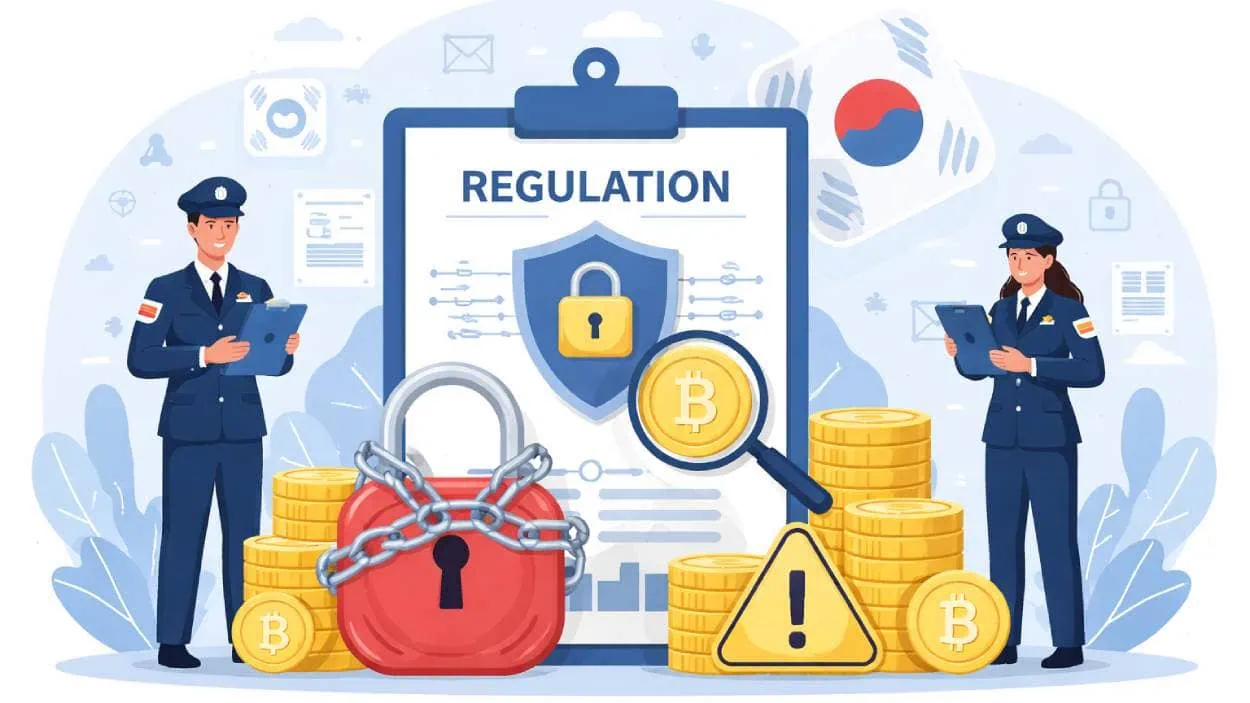







South Korea’s much-anticipated stablecoin regulations have hit a major roadblock, as internal disputes between key financial regulators delay the rollout of a comprehensive crypto framework until at least 2026.
Key Takeaways
- South Korea’s stablecoin law has been delayed due to a disagreement between the Bank of Korea and the Financial Services Commission.
- The draft law includes strict rules such as 100 percent reserve backing in bank deposits or government bonds.
- Debates over control and oversight have stalled legislative progress despite consensus on investor protections.
- The bill could revive domestic ICOs, currently banned, under strict regulatory standards.
What Happened?
South Korea’s Financial Services Commission (FSC) has been working on the Digital Asset Basic Act, a sweeping law that aims to bring crypto regulation closer in line with traditional finance. The proposal includes strong investor protections, high reserve requirements for stablecoin issuers, and new liability rules for crypto service providers. However, the bill has been delayed to 2026 as a regulatory power struggle has blocked its finalization.
South Korea’s KRW stablecoin framework is experiencing major delay.
— Danny Kunwoong Park (@ParkKunwoong) December 30, 2025
Reason? Clash over who should be allowed to issue stablecoins.
The BOK insists issuance should center around local banks, while FSC supports the participation of tech companies. pic.twitter.com/LsDtyX8u4z
Draft Law Focuses on Safety and Oversight
The Digital Asset Basic Act, known as the second phase of South Korea’s crypto regulation plan, follows the 2023 Virtual Asset User Protection Act. While the earlier phase focused on tackling market abuse and price manipulation, the new legislation targets stablecoin issuance, compliance standards, and user protections.
Under the draft proposal:
- Stablecoin issuers would be required to hold 100 percent of reserves in safe assets such as bank deposits or government bonds.
- These reserves must be entrusted to licensed custodians, typically commercial banks.
- The goal is to protect users from issuer collapses by separating corporate and customer funds.
The law would also tighten rules for digital asset platforms:
- Companies would need to follow stricter disclosure rules, standardize terms of service, and limit risky advertising.
- Platforms could be held financially liable for user losses from hacks or service failures, even without direct fault.
ICOs May Return with Conditions
The draft bill also considers the reintroduction of initial coin offerings (ICOs), banned in South Korea since 2017. If passed, local projects could launch tokens under rigid disclosure and risk-management standards, allowing for regulated token fundraising to resume.
This change signals a significant policy shift, balancing innovation with consumer protection.

Regulators Clash Over Stablecoin Issuers
The core delay stems from a deep rift between the Bank of Korea (BOK) and the Financial Services Commission (FSC) on who should be allowed to issue stablecoins.
- The Bank of Korea wants only bank-led consortia, where banks control at least 51 percent, to issue stablecoins. The central bank argues this is vital for monetary stability and to reduce systemic risk.
- The FSC, on the other hand, opposes this approach, saying it would exclude tech firms, limit competition, and slow down innovation.
The BOK has also proposed creating a new licensing committee with veto power over stablecoin approvals. The FSC has rejected this, insisting existing structures involving the FSC, BOK, and Ministry of Economy and Finance provide adequate oversight.
Disagreements extend beyond ownership and governance to include enforcement power, interest-bearing stablecoins, and who has final authority.
Broader Policy Push and Private Sector Moves
Despite the stalemate, South Korea’s private sector is making progress. Major banks are exploring won-pegged stablecoin consortia, and pilots like BC Card’s foreigner-focused stablecoin payment system have been successfully completed.
President Lee Jae Myung, elected earlier this year, has made it a policy priority to build a Korean won-backed stablecoin ecosystem, aiming to reduce reliance on U.S. dollar-denominated stablecoins and protect monetary sovereignty.
Meanwhile, the ruling Democratic Party is drafting an alternative consolidated bill, merging various proposals from lawmakers. This separate bill could move forward independently in early 2026.
CoinLaw’s Takeaway
In my experience covering global crypto policy, this kind of regulatory standoff is not unusual. But South Korea’s delay is especially important because the country is positioning itself as a global leader in digital asset regulation. The fight between innovation and financial stability is front and center, and while both sides make valid points, the delay gives foreign stablecoins more time to dominate the Korean market. I found the proposed framework thoughtful and ambitious, but without consensus, ambition alone won’t drive policy forward. Here’s hoping 2026 doesn’t turn into another year of waiting.