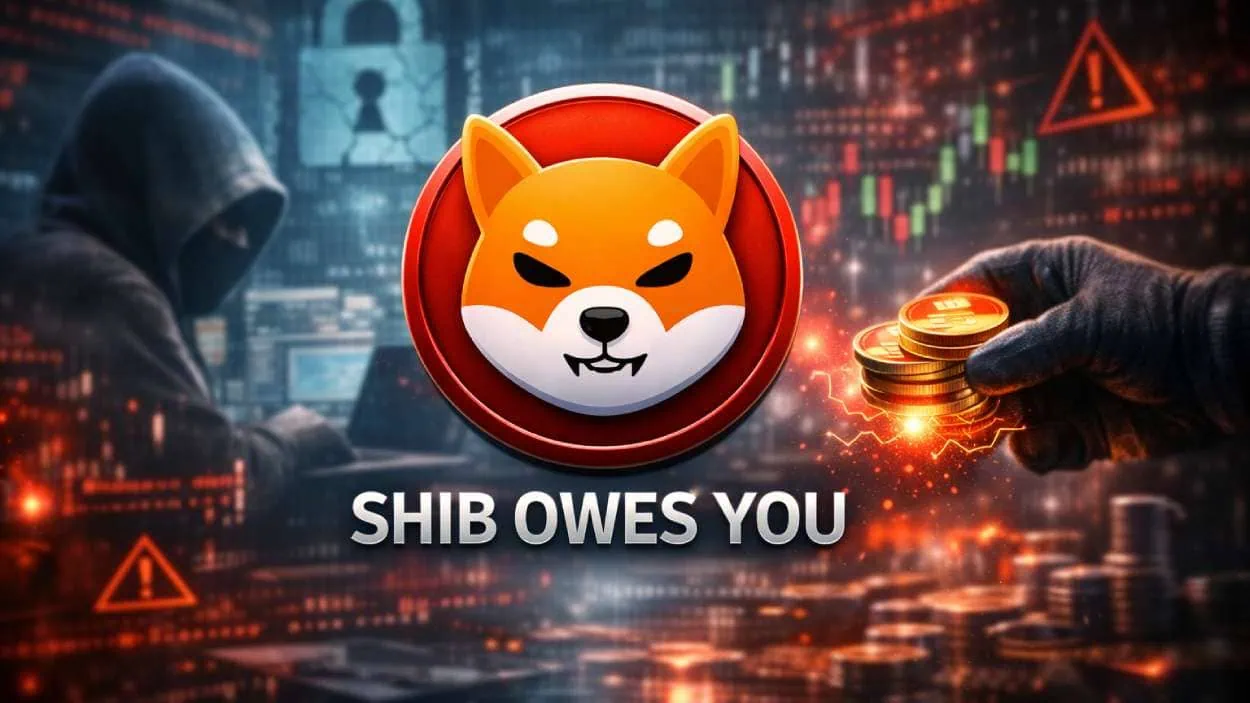







Shiba Inu has unveiled a formal compensation system for victims of the Plasma Bridge hack, converting verified losses into tradable NFTs on the Ethereum blockchain.
Key Takeaways
- Shiba Inu launched the ‘Shib Owes You’ (SOU) plan to repay users affected by the Plasma Bridge exploit.
- Users will receive dynamic NFTs on Ethereum that represent the exact amount owed and update in real time as repayments are made.
- SOU tokens can be merged, split, or sold, giving users flexibility while awaiting full compensation.
- The initiative is backed by a security audit and funded by centralizing ecosystem revenue and pausing unprofitable projects.
What Happened?
Shiba Inu has introduced a blockchain-based compensation plan called “Shib Owes You” (SOU), which aims to resolve pending claims from users impacted by a past security breach. The SOU framework transforms affected users’ losses into tokenized debt instruments on Ethereum, ensuring a transparent and verifiable repayment process.
What’s happening
— Shibarium | SHIB.IO (@Shibizens) December 29, 2025
Shiba Inu is launching a plan called Shib Owes You (SOU) to repay users affected by an earlier hack.
Instead of promises or spreadsheets, losses will be turned into NFTs on Ethereum. Each NFT represents how much you are owed.
What these NFTs do
• They prove… pic.twitter.com/etSlki0TGK
A Formal Response to Past Losses
The Shiba Inu community endured one of its most difficult years following the Plasma Bridge hack. Many users were left with unresolved losses and no structured system for recovery. In a blog post titled “Year End Letter to Shib Army,” lead developer Kaal Dhairya announced the SOU system as a solution to these outstanding obligations.
- Each affected user will receive an NFT representing the amount owed, recorded directly on-chain.
- The NFTs act as cryptographic proof of claim, updating dynamically with every repayment or donation received.
- Users can merge claims from multiple wallets into one token or split tokens to partially liquidate their positions.
- The NFTs will also be tradable, allowing users to sell them on supported marketplaces if they prefer not to wait for full repayment.
Funding the Repayments
To support this large-scale repayment effort, Shiba Inu is restructuring its operations. Projects that are not generating revenue will be paused or discontinued. This move is intended to conserve funds and direct them toward compensating users.
- Revenue from future licensing agreements involving Shiba Inu intellectual property will be funneled into the restitution fund.
- All operational decisions will prioritize repayment over expansion or new development.
- As Dhairya stated, “everyone who has access to ecosystem resources needs to be held to the same standard.”

Security and Caution
The underlying smart contract infrastructure for SOU has been audited by Hexens, ensuring the safety and correctness of critical functions such as minting, updating balances, and enabling transfers.
While the system has been technically completed, it has not yet gone live. Users are warned not to interact with unofficial platforms or third-party portals offering early access, as these are likely fraudulent.
The Plasma Bridge has also been restored with stronger security features, including a seven-day recall delay and hardware-secured smart contracts.
Market Context
The SOU announcement came amid broader market volatility. The price of Shiba Inu’s SHIB token dropped approximately 4.2 percent within 24 hours of the news, trading at $0.000007160, though trading volume surged to around $86.47 million, indicating sustained investor interest.

CoinLaw’s Takeaway
In my experience, crypto projects often stumble when it comes to accountability after a security breach. But Shiba Inu is taking a rare and commendable step toward formal restitution with its SOU system. This isn’t just a symbolic gesture. Tokenizing debt and putting it on-chain with real utility shows that Shiba Inu is committed to transparency and long-term community trust. I found the flexibility of merging, splitting, or selling tokens particularly empowering for victims. That kind of autonomy matters. While the platform isn’t live yet, this move signals serious intent and may set a precedent for future crypto recovery frameworks.