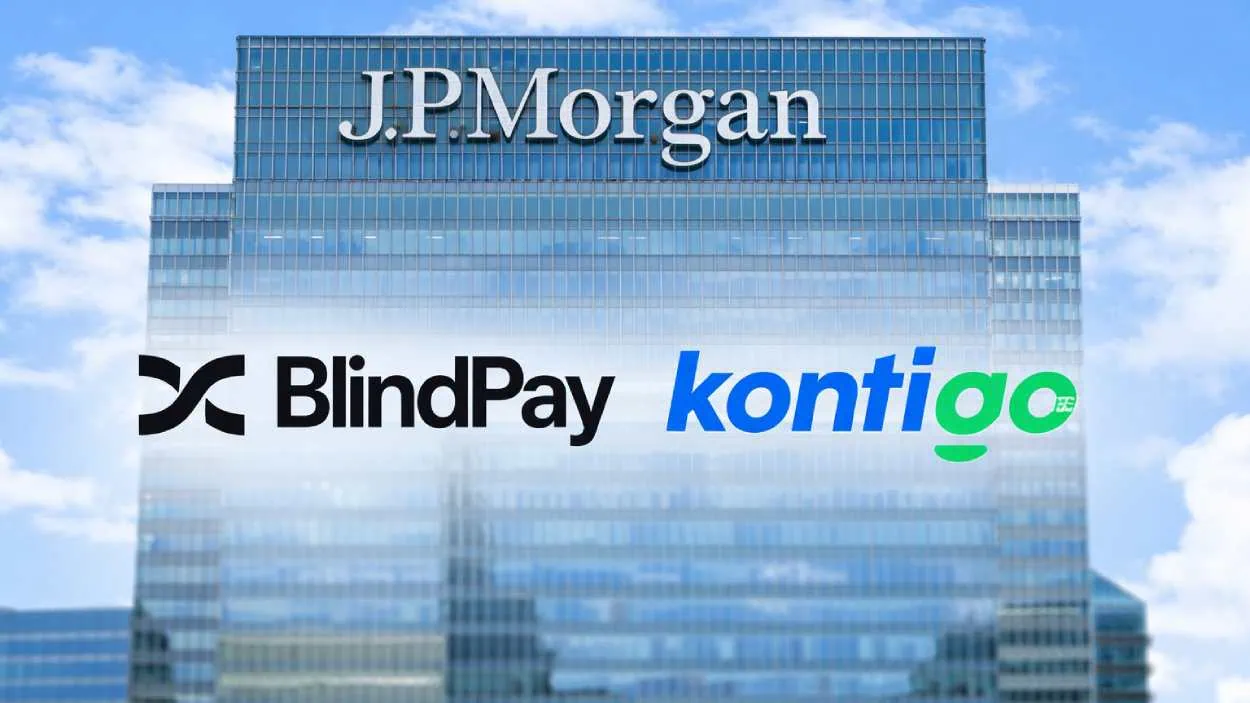







JPMorgan has frozen accounts linked to two stablecoin startups, Blindpay and Kontigo, after identifying their exposure to high-risk and sanctioned regions, signaling tighter compliance enforcement in crypto banking.
Key Takeaways
- JPMorgan froze accounts of Blindpay and Kontigo, two Y Combinator-backed stablecoin firms, over concerns related to U.S. sanctions and high-risk jurisdictions.
- The firms were using JPMorgan’s services through Checkbook, a digital payments company integrated into the bank’s payments partner network.
- JPMorgan clarified the freeze was not a move against stablecoin businesses, but related to compliance and chargeback concerns.
- Chargeback spikes and user onboarding in countries like Venezuela reportedly triggered the decision, raising new questions on crypto firms’ risk controls.
What Happened?
JPMorgan Chase recently froze the bank accounts of stablecoin startups Blindpay and Kontigo, both focused on Latin American markets, after identifying ties to high-risk countries such as Venezuela. The action stemmed from regulatory compliance concerns and a spike in chargebacks that put the bank at risk, according to multiple reports.
Exclusive: JPMorgan in recent months has frozen accounts used by at least two fast-growing stablecoin startups
— Yueqi Yang (@Yueqi_Yang) December 26, 2025
The startups do business in Venezuela and other legally risky countries
Story with @MichaelRoddan: https://t.co/aSx4xrznVm
JPMorgan Targets Crypto Accounts Over Sanctions Exposure
The two firms were using JPMorgan’s banking services via Checkbook, a digital payments platform that joined the JPMorgan Payments Partner Network in 2024. Although JPMorgan did not directly partner with the startups, the firms accessed banking features through this intermediary relationship.
According to The Information, Blindpay allowed users to transact without identity verification, a red flag for banks bound by know-your-customer (KYC) and anti-money laundering (AML) rules. Meanwhile, Kontigo reportedly cut off users in high-risk jurisdictions after JPMorgan moved to freeze its account.
A JPMorgan spokesperson emphasized that the move was not an anti-crypto stance. “This has nothing to do with stablecoin companies,” the bank told The Information. “We bank both stablecoin issuers and stablecoin-related businesses, and we recently took a stablecoin issuer public.”
Rapid Growth Sparked Chargeback Problems
PJ Gupta, CEO of Checkbook, pointed to another key reason for the freeze: a surge in chargebacks. He explained that a flood of new customers overwhelmed the system. “They opened the floodgates and a bunch of people came in over the internet,” Gupta told The Information. This volume increase reportedly created friction with JPMorgan, which then moved to freeze accounts tied to high-risk transactions.
Despite the freeze, JPMorgan’s partnership with Checkbook remains intact. In late 2024, the two companies expanded their collaboration, allowing businesses to send digital checks and facilitating payments across sectors including legal services, government, and banking.

Not the First Time JPMorgan Clashed with Crypto
This incident isn’t isolated. In July, Gemini co-founder Tyler Winklevoss accused JPMorgan of retaliation after the bank paused the crypto exchange’s re-onboarding process. Winklevoss had publicly criticized JPMorgan’s data access policy, suggesting the pause was a result of his comments. The bank denied wrongdoing.
While JPMorgan continues to grow its exposure to digital assets, including potential plans to offer crypto spot and derivatives trading to institutional clients, this episode illustrates the delicate balance banks face between innovation and compliance.
CoinLaw’s Takeaway
In my experience, this situation highlights how fragile crypto-banking relationships still are, especially when traditional banks get nervous about compliance risks. Even indirect exposure to sanctioned countries like Venezuela can bring everything to a halt. I found it especially telling that chargebacks and user verification were just as important as sanctions here. It’s a wake-up call for stablecoin startups: if you’re scaling fast, your KYC better scale faster. The irony is, while JPMorgan is tightening its grip on partners like Blindpay, it’s still moving ahead with crypto services for institutions. The double standard is real, and so are the risks for younger players in this space.