






Nvidia faces fresh challenges in China as its high-end H200 AI chip shipments are blocked by customs and key suppliers halt production.
Key Takeaways
- Chinese customs have blocked shipments of Nvidia’s H200 chips, leading suppliers to pause production to avoid inventory buildup.
- Over 2 million H200 orders from Chinese companies are now in jeopardy, with some customers reportedly canceling due to uncertainty.
- U.S. export rules allow H200 shipments to China under strict conditions, but Chinese authorities appear to be enforcing their own bans.
- Investors are watching Nvidia’s upcoming earnings report closely to assess how the disruption affects the company’s revenue outlook.
What Happened?
Nvidia’s effort to regain momentum in China with its latest H200 AI chips has hit a major setback. Chinese customs have reportedly stopped the entry of these processors, prompting suppliers to halt production. The move comes shortly after the U.S. government had approved exports of the chips under tight conditions. While Nvidia remains compliant with U.S. regulations, China’s unexpected block signals rising regulatory pressure and uncertainty in a critical market.
The China Customs “Blockade” on H200: Why the Market is Misreading the Play
— App (@justloveworld) January 19, 2026
Headlines are buzzing with reports that China Customs is blocking NVIDIA H200 imports. The retail crowd is panicking about “lost revenue,” and AI bots are churning out bearish sentiment.
First-level…
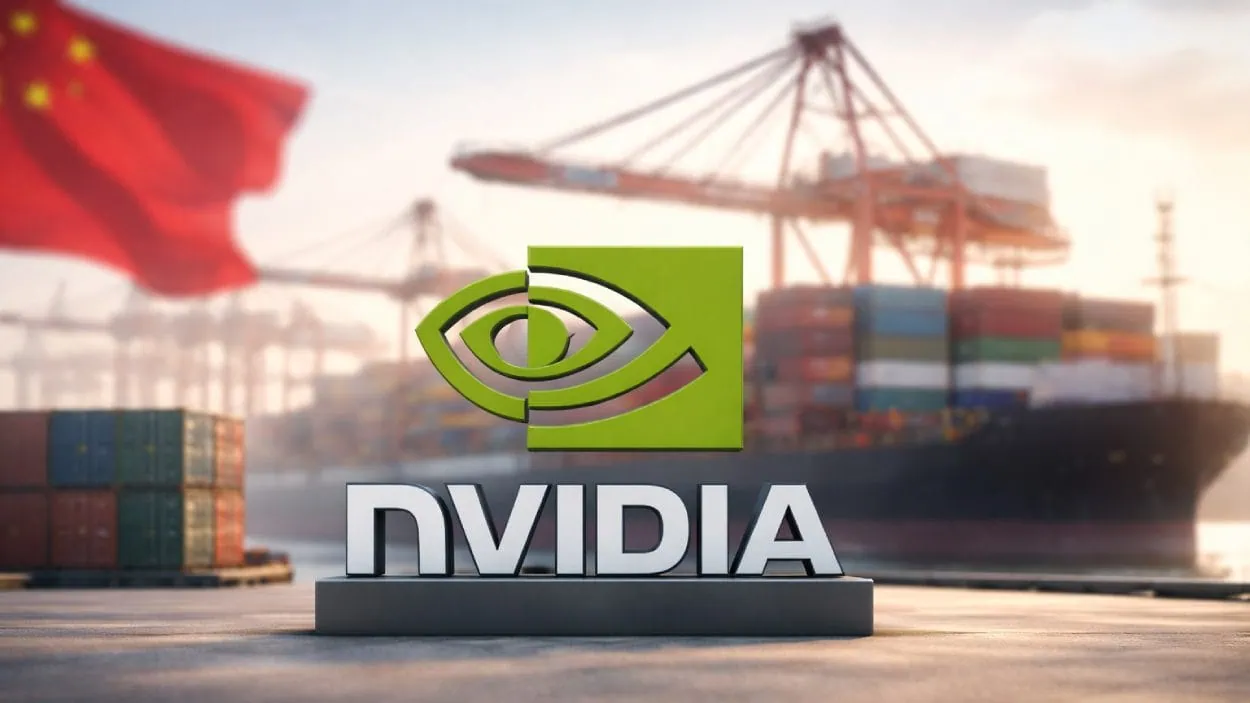
China Customs Disrupt Shipments and Halt Production
Nvidia’s H200 chip, built for advanced AI workloads in data centers, was poised for wide adoption in China with over 2 million units reportedly ordered by firms such as Alibaba, Tencent, and ByteDance. However, following a sudden directive from Chinese customs, shipments were blocked despite the chips having already reached Hong Kong.
According to Reuters, the directive was strict enough to effectively amount to a temporary ban. In response, Nvidia’s component suppliers, including those making printed circuit boards, halted output to avoid unsellable inventory. The Financial Times confirmed this pause in production, citing industry insiders.
- Chinese customs instructed that H200 chips were not to be allowed into the country.
- Suppliers stopped manufacturing parts for the chip as early as January 17.
- The affected parts were specifically tied to H200, not Nvidia’s broader product line.
U.S. Approval vs. China’s Push for Domestic Chips
Earlier this month, the Trump administration approved shipments of H200 chips to China under a 25% tariff and compliance requirements. This included third-party testing and quantity limits to ensure U.S. supply was not endangered. Nvidia welcomed the move, calling it a balanced solution.
Despite this, the Chinese government appears to have taken a different stance. Reports suggest officials are pressuring domestic firms to prioritize alternatives like Huawei’s Ascend chips, possibly for national security reasons. While no formal ban has been announced, the regulatory message has been strong enough to prompt cancellations.
- Chinese customers are now reportedly canceling H200 orders.
- Officials are guiding tech companies away from foreign chips.
- Nvidia has not issued a public statement on the customs action.

Stock Reaction and Investor Focus on February Earnings
The news rattled investors, with Nvidia shares closing slightly lower at $186.11 amid the uncertainty. The broader semiconductor market stayed buoyant, suggesting that the issue is company-specific rather than a sector-wide trend.

Market analysts now look ahead to Nvidia’s February 25 earnings report. The numbers will help gauge the financial hit from the halted shipments and offer insight into how much Nvidia relies on Chinese demand. Questions also remain about how quickly production can resume and whether Nvidia will rework its chips yet again to comply with shifting regulations.
CoinLaw’s Takeaway
I’ve followed Nvidia’s regulatory challenges for years, and this situation highlights just how deeply geopolitical tensions now shape tech markets. Even after jumping through hoops to get U.S. approval, Nvidia finds itself blocked on the Chinese side. What’s worse is the timing, right as H200 production ramps up. In my experience, sudden reversals like this create ripple effects across supply chains and investor sentiment. While Nvidia has strong software and product diversification, China remains too big a market to ignore. This is a red flag for those betting on smooth growth in 2026.