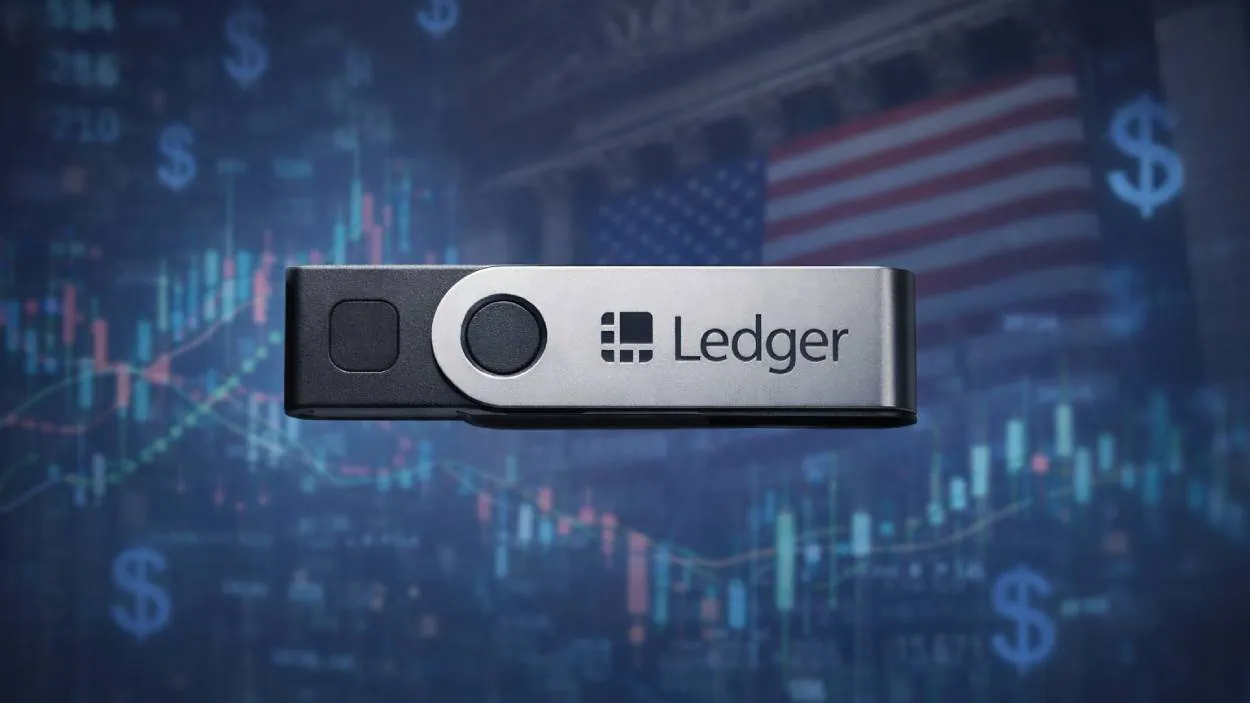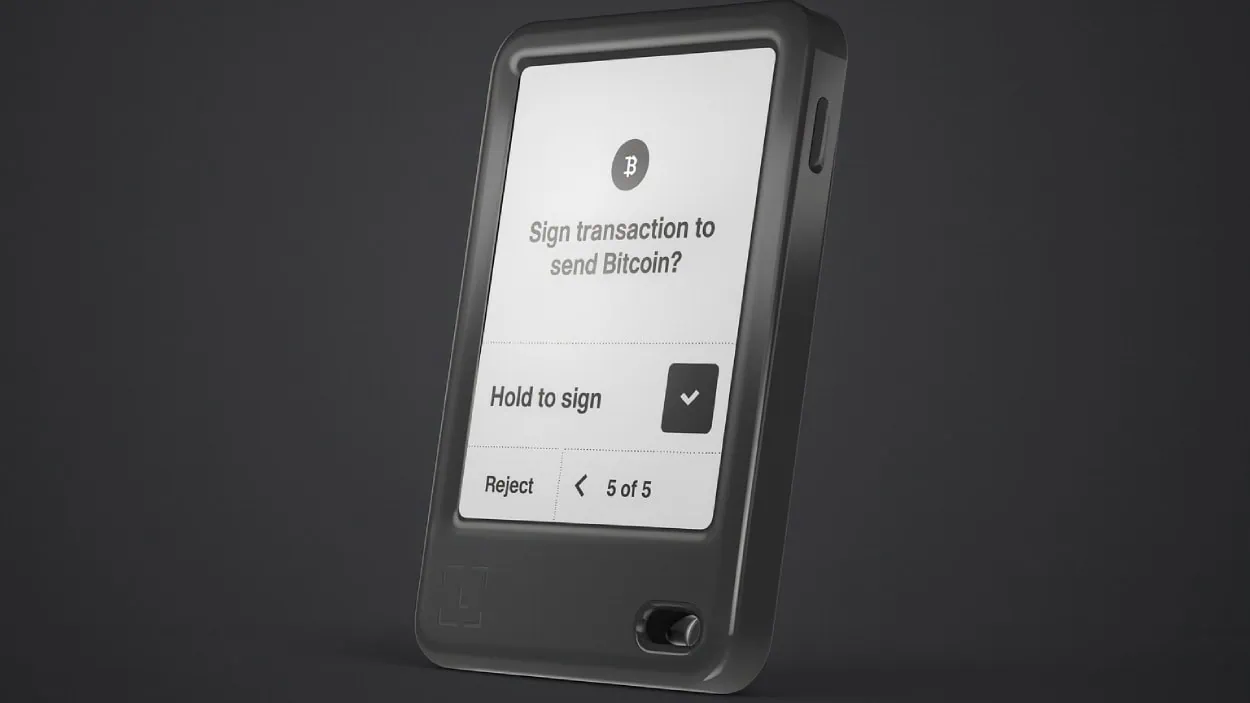







Ledger and Trezor have rolled out their next-generation self-custody devices, aiming to push crypto wallet technology into a more secure and user-friendly future.
Key Takeaways
- Ledger unveiled the Nano Gen5, now branded as a “Ledger signer,” with a larger screen, Bluetooth, and a new recovery system.
- Trezor introduced the Safe 7, featuring a dual-chip setup, quantum-readiness, and wireless support including Bluetooth and wireless charging.
- Both companies emphasized continued support for older devices, ensuring no forced obsolescence.
- Ledger rebranded its Ledger Live app to Ledger Wallet and launched Ledger Multisig for enterprise-grade transaction security.
What Happened?
Paris-based Ledger and Prague-based Trezor have both released new hardware wallets for 2025. These upgraded devices offer significant security enhancements and new user-centric features, including quantum resistance and improved interface design. Both companies reaffirmed their commitment to long-term support of existing wallet models.
Introducing Ledger Nano™ Gen5.
— Ledger (@Ledger) October 23, 2025
The newest addition to our family of touchscreen signers, alongside Ledger Flex™ and Ledger Stax™,
Ledger Nano™ Gen5 is the most playful, personal, and accessible signer we’ve ever built.
Your first step into digital ownership, made… pic.twitter.com/ZWH571TnRK
Ledger Introduces the Nano Gen5
Ledger’s latest release, the Nano Gen5, represents more than just a hardware upgrade. The company is moving away from the term “hardware wallet” and now calls its devices Ledger signers. The Nano Gen5 features:
- A larger screen for a more intuitive and clear signing experience.
- Continued Bluetooth support.
- Integration of the Ledger Recovery Key, introduced earlier in June.
- A design collaboration with iPod creator Tony Fadell and Apple icon designer Susan Kare, adding exclusive artwork to the device.
- Pricing set at $179 USD / 179 EUR.
In addition to hardware, Ledger rebranded its Ledger Live app to Ledger Wallet, improving its ecosystem and usability. A new business tool called Ledger Multisig was also introduced to tackle blind signing vulnerabilities in multi-signature workflows.
Ledger CEO Pascal Gauthier highlighted the brand’s legacy by stating:
Trezor Unveils the Safe 7
Trezor’s new Safe 7 is their first wallet to support quantum-readiness, a forward-looking feature designed to protect against potential future threats posed by quantum computing.
Key features of the Safe 7 include:
- A dual-chip architecture, combining the auditable TROPIC01 chip with an EAL6+ secure element.
- Bluetooth and wireless charging capabilities.
- A touchscreen with Gorilla Glass 3, aluminum casing, and haptic feedback.
- A price point of 249 EUR.
Trezor COO Danny Sanders emphasized that while quantum computing is not an immediate threat, Safe 7 is “technically capable of receiving post-quantum updates when the time comes.”
CEO Matej Zak added:

Continued Support for Older Devices
Both Ledger and Trezor reassured users that their older wallet models remain viable.
- Ledger clarified it has never made a device obsolete through updates, although support may naturally phase out over time.
- Trezor confirmed that all previous devices will continue to receive security patches and functionality updates.
CoinLaw’s Takeaway
I’ve seen a lot of wallet releases over the years, but this one feels different. Both Ledger and Trezor are clearly preparing for a future where threats evolve, and they’re doing so without abandoning their existing user base. I really appreciate how they’ve prioritized usability and long-term support while also pushing the envelope on tech. For anyone serious about self-custody, these 2025 models are not just upgrades, they’re statements.