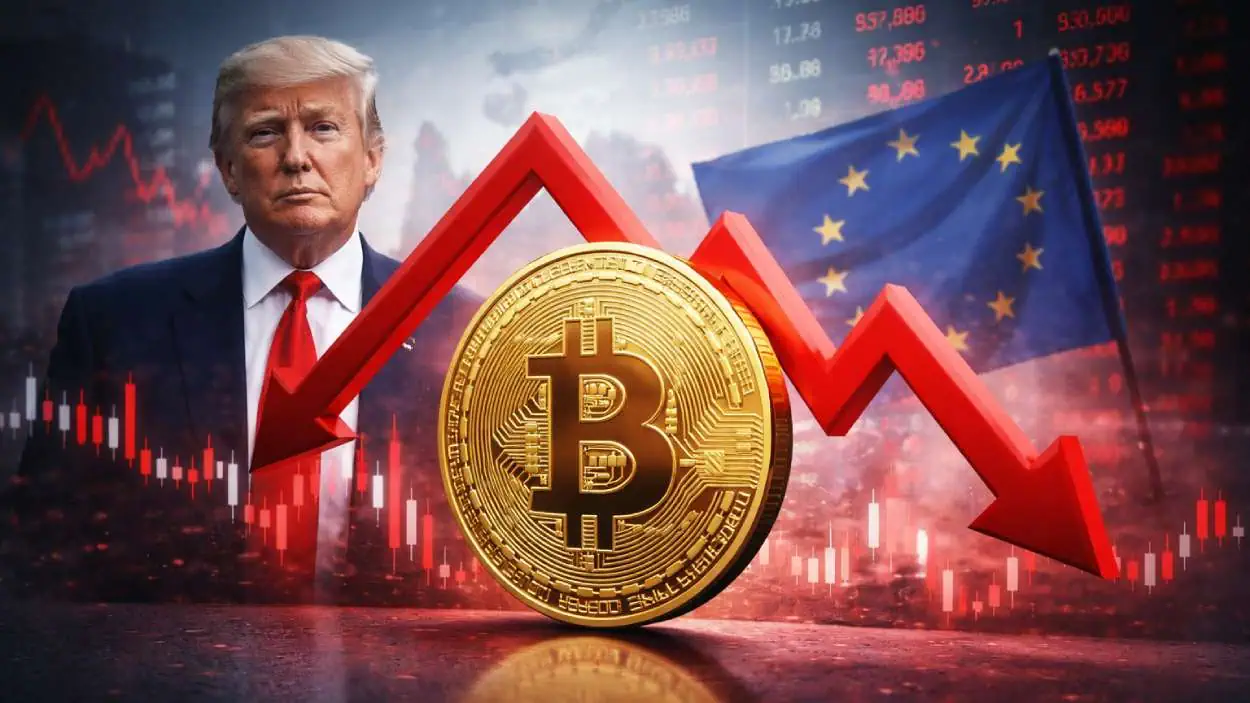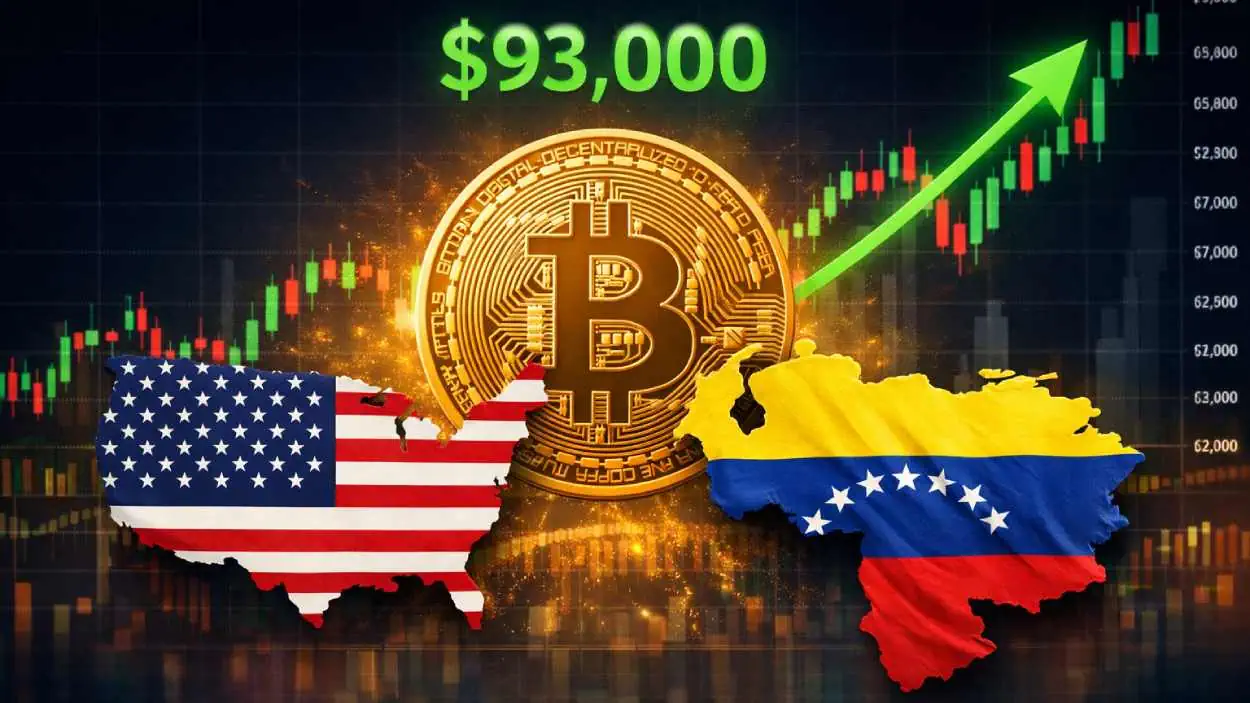







Bitcoin surged past $93,000 as the U.S. captured Venezuela’s President Nicolas Maduro, sparking geopolitical shockwaves that rippled through crypto, oil, and equity markets.
Key Takeaways
- Bitcoin jumped to over $93,000, driven by market reactions to the U.S. operation in Venezuela.
- Trump confirmed plans to control Venezuela’s oil assets, sending Chevron stock up 11%.
- Nicolas Maduro was captured in what U.S. officials described as a law-enforcement action.
- Crypto’s role in Venezuela may expand, as sanctions disrupt traditional financial channels.
What Happened?
U.S. forces took Venezuelan President Nicolas Maduro into custody over the weekend in what Washington described as a law-enforcement operation tied to drug trafficking charges. This triggered dramatic market movements, with Bitcoin surging past $93,000 and Chevron adding $35 billion in market value.
Donald Trump said the U.S. would “run” Venezuela’s oil infrastructure and warned Cuba, Colombia, and Mexico could face similar action. Crypto markets reacted swiftly, with traders treating the unfolding geopolitical drama as a volatility catalyst.
BREAKING: Bitcoin surges above $91,000 as over $60 million worth of levered shorts are liquidated in 1 hour.
— The Kobeissi Letter (@KobeissiLetter) January 4, 2026
Bitcoin is now up +$3,000 since the lows seen after the US began strikes on Venezuela last night. pic.twitter.com/ahNdYesrrD
Trump’s Bold Move in Venezuela
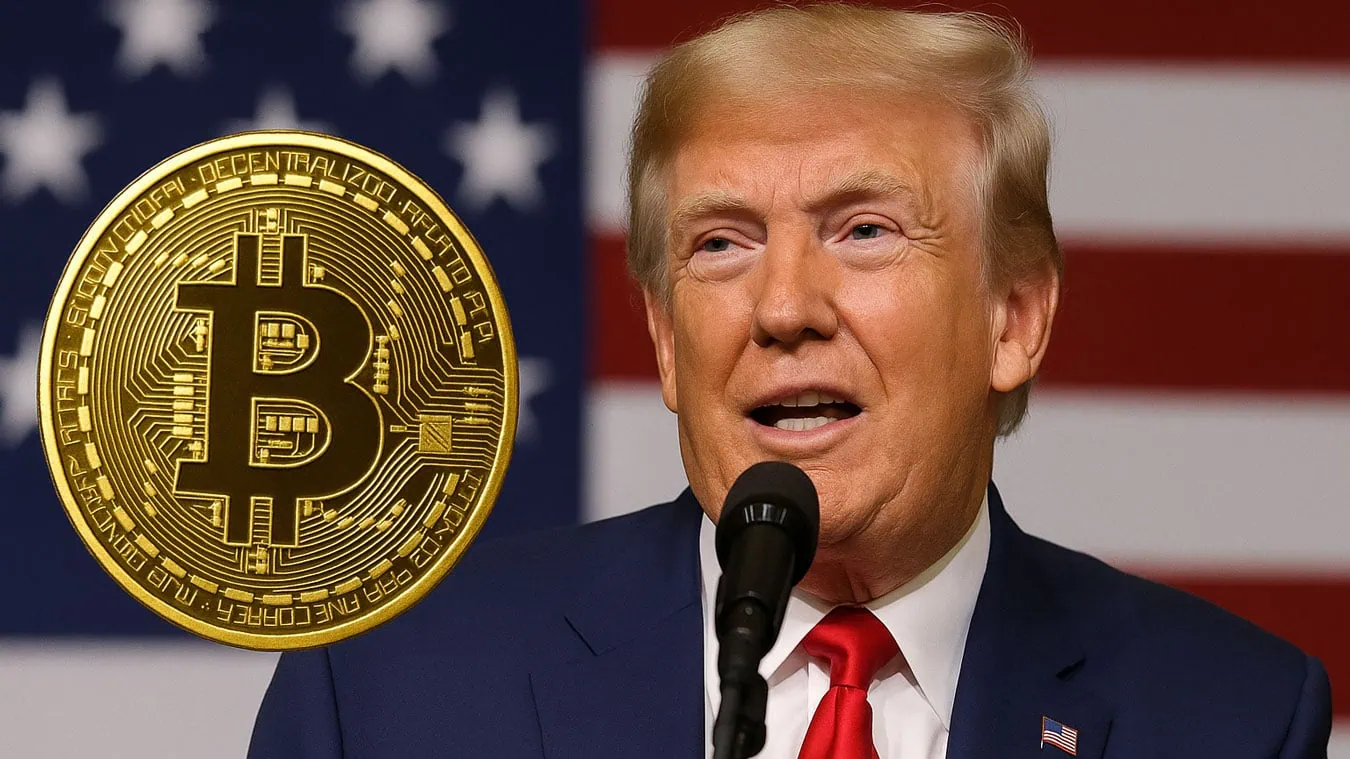
In a surprise development, President Donald Trump confirmed that the U.S. had taken custody of Venezuelan leader Nicolas Maduro. Trump made the announcement aboard Air Force One, stating, “The oil companies are ready to go in. They’re going to rebuild the infrastructure.“
Trump emphasized the U.S. will not invest capital but will control and operate the country’s oil resources, claiming Venezuela had “stolen American infrastructure.” He insisted that the move was not interventionism but a “national security strategy” designed to bring stability to the region and protect American interests.
He also warned other Latin American nations. “Cuba looks like it’s going down,” Trump said. “Colombia’s run by a sick man. Mexico has cartels running the country.” He said he offered to send troops into Mexico, but his offer was rejected.
Market Ripples: Crypto, Oil, and Stocks React
Bitcoin led the charge in crypto markets, soaring to $93,410, a 1.4% daily rise and more than 4% gain over the week. Ether climbed to around $3,150, with solana and cardano also seeing solid weekly gains.

The broader crypto market capitalization rose 2% to $3.2 trillion, according to CoinGecko.
At the same time, silver hit $75.10 per ounce, the highest since the crisis began. Oil markets moved in the opposite direction, with WTI crude futures dropping to $56.6 per barrel, the lowest since early 2021, as traders priced in the potential increase in Venezuelan supply.
Chevron shares surged 11%, driven by expectations that U.S. management of Venezuela’s energy sector could unlock additional output. Other U.S. oil stocks rallied in tandem.

Crypto’s Deep Roots in Venezuela
Crypto has long played a dual role in Venezuela, offering civilians a way around inflation and financial instability, while also allegedly serving as a shadow financial rail for the state.
In 2018, Maduro attempted to launch the petro, a state-backed cryptocurrency tied to Venezuela’s oil reserves. While the project failed, the country continued to rely on stablecoins and crypto to bypass sanctions.
Blockchain intelligence firms suggest that Venezuela could be holding up to $60 billion in crypto, accumulated through covert trade deals and oil-for-crypto arrangements.
Ari Redbord of TRM Labs explained:
Post-Maduro Fallout: Crypto Adoption Could Accelerate
With Maduro ousted and uncertainty swirling, crypto is expected to play a bigger role in both public and state-linked transactions. As Redbord noted, “After military action, things move faster and become more fragile,” adding that disruptions to traditional banking often push people toward stablecoins and decentralized systems.
Signals to watch include:
- Shifts in stablecoin demand or pricing premiums.
- Increased activity among OTC brokers or informal exchanges.
- Changes in wallet behavior such as rotation frequency and liquidity routing.
These shifts may offer early insight into how financial dynamics evolve in a post-Maduro Venezuela.
CoinLaw’s Takeaway
In my experience, few events shake up markets like geopolitical shocks, and this one has all the ingredients: oil, power, and crypto. Watching Bitcoin smash past $93K while oil crashes shows just how complex and interconnected the modern financial system has become.
I found Trump’s rhetoric both aggressive and strategic. Whether you support the move or not, it is clear that the U.S. aims to gain control over Venezuela’s oil while signaling to others in the region. Crypto is no longer on the sidelines in these stories. It is right in the middle.