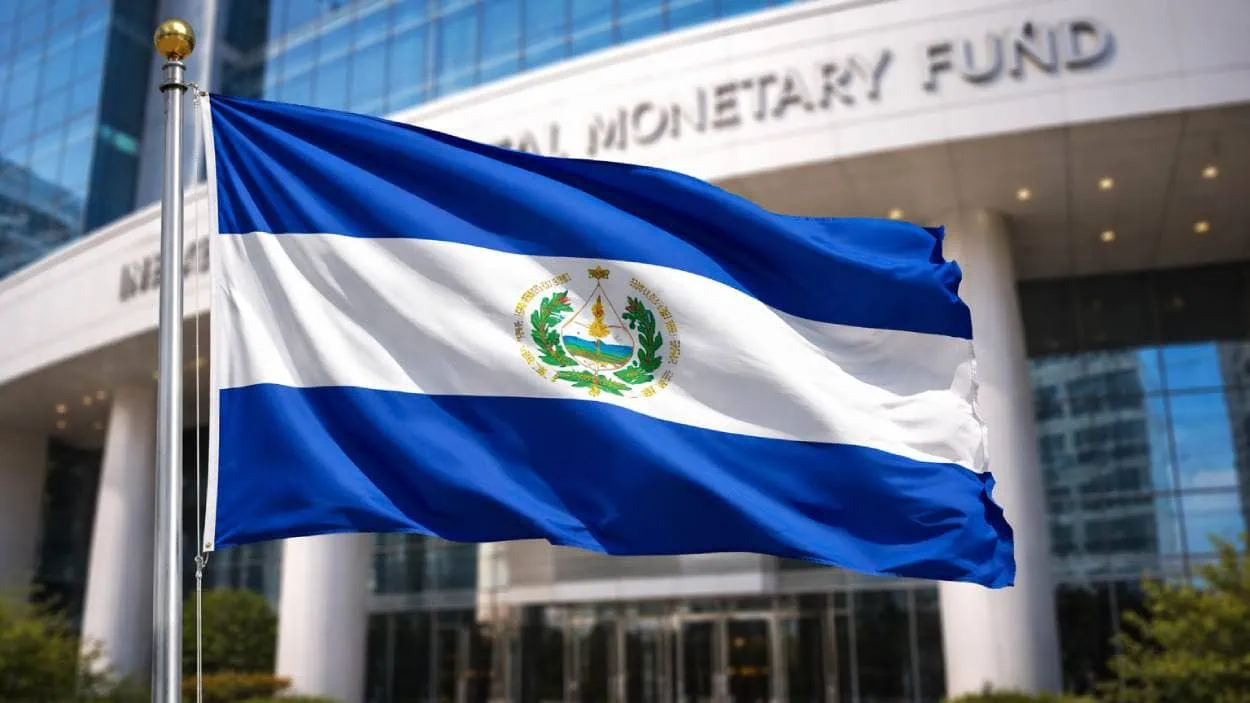







El Salvador is close to securing a $1.4 billion loan from the International Monetary Fund (IMF) as it takes steps to reduce its government’s direct involvement in Bitcoin infrastructure and policy.
Key Takeaways
- IMF negotiations with El Salvador have reached an advanced stage, focusing on economic reforms and Bitcoin-related risks.
- The government agreed to sell the state-run Chivo wallet and make Bitcoin use voluntary for businesses.
- The IMF projects El Salvador’s GDP will grow around 4 percent this year, citing improved investor confidence and fiscal discipline.
- Despite concessions, El Salvador continues to expand its Bitcoin holdings and attract crypto companies like Tether.
What Happened?
El Salvador and the IMF are nearing a deal that could unlock $1.4 billion in funding, after years of stalled talks triggered by the country’s historic move to adopt Bitcoin as legal tender in 2021. In recent months, both sides have made progress, particularly around the sale of the government-run Chivo wallet and reforms designed to limit public sector exposure to cryptocurrency.
JUST IN: 💥 IMF completes first review of extended fund facility and says it will ‘ensure’ El Salvador does not buy additional Bitcoin. pic.twitter.com/DmdjoAFsfU
— Fiat Archive (@fiatarchive) May 30, 2025
IMF Ties Bitcoin Concessions to Loan Agreement
The IMF’s longstanding concerns over El Salvador’s Bitcoin policy have centered on the asset’s volatility and potential threats to financial stability. After the government declared Bitcoin legal tender in 2021, the IMF repeatedly warned that such a move could affect consumer protection, tax transparency, and fiscal health.
In late 2024, a staff-level agreement was reached, setting the stage for a larger funding deal. According to the IMF’s statement released December 23, negotiations are now “well advanced,” particularly regarding the divestment of the Chivo wallet. This digital wallet was developed and managed by the state to promote Bitcoin adoption among Salvadorans.
As part of the IMF agreement, El Salvador has:
- Committed to selling the Chivo wallet to the private sector.
- Made Bitcoin acceptance voluntary for businesses.
- Limited Bitcoin’s role in tax collection.
- Reduced direct government involvement in crypto infrastructure.
The IMF welcomed these changes, saying they improve transparency, mitigate financial risk, and safeguard public resources.
Economic Growth Exceeds Expectations
While the Bitcoin debate has drawn global attention, the IMF also noted El Salvador’s improving macroeconomic outlook. It now forecasts the country’s real GDP to grow about 4 percent in 2025, citing rising investment, record remittances, and growing tourism.
5.1% 🇸🇻
— Nayib Bukele (@nayibbukele) December 23, 2025
Gracias a Dios. https://t.co/9mqeVTSla3
The Fund credited the government’s fiscal reforms and enhanced cooperation with international institutions. At a time when many developing countries face economic headwinds, El Salvador’s performance stands out in the region.

El Salvador Still Betting on Bitcoin
Despite the IMF’s pressure, El Salvador hasn’t abandoned its crypto ambitions. In fact, the government recently made its largest single-day Bitcoin purchase to date, acquiring 1,090 BTC. As of now, its total holdings stand at 7,475.4 BTC, worth over $650 million at current prices, according to data from Bitbo.
The country has also passed an Investment Banking Law, enabling financial firms to offer Bitcoin and other digital assets as part of their services. This move is part of a broader strategy to promote San Salvador as a global crypto hub, a vision that recently attracted stablecoin issuer Tether, which moved its headquarters to the capital.
CoinLaw’s Takeaway
I think El Salvador is walking a tightrope and doing it surprisingly well. On one side, they need the IMF’s support to strengthen their economy and investor confidence. On the other, they remain committed to their bold Bitcoin experiment. In my experience, it’s rare to see a country pull off such a balancing act without completely giving in on one side. Selling the Chivo wallet is a smart political and financial compromise. It shows they’re listening to global institutions while still betting on Bitcoin’s future. Whether or not this gamble pays off long term, they’ve certainly managed to keep both the IMF and crypto advocates at the table and that’s impressive.