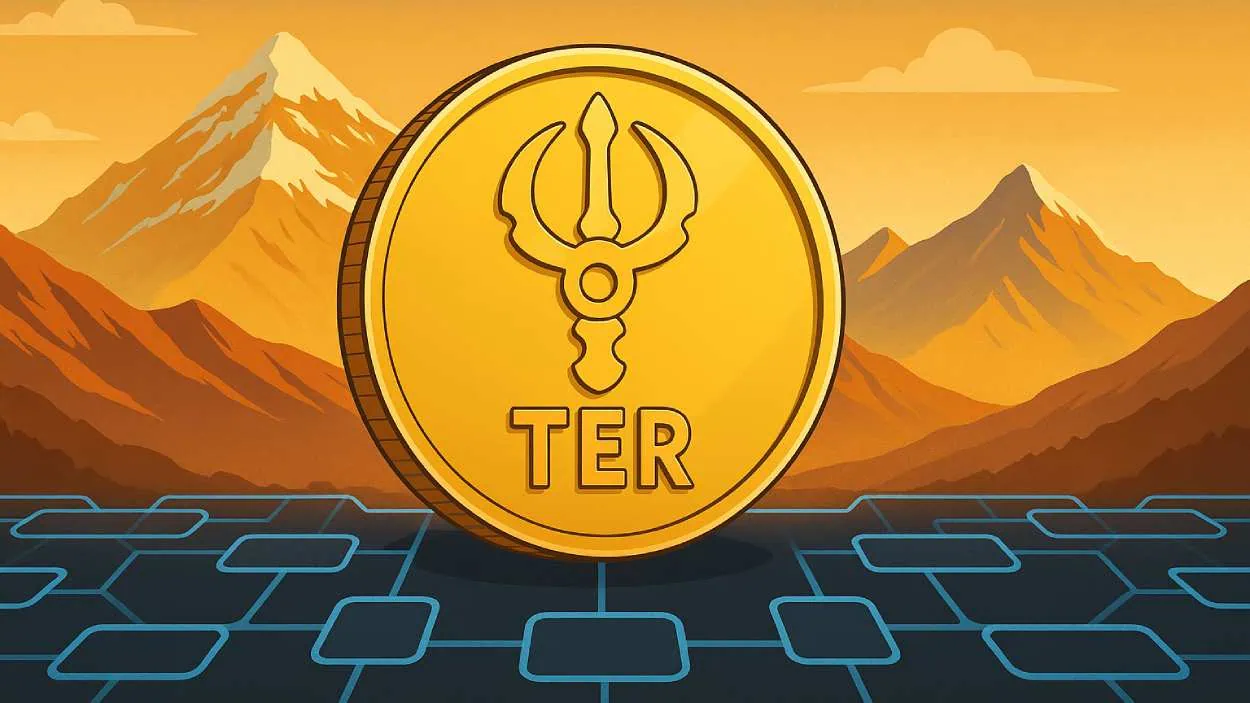







Bhutan has launched TER, a gold-backed digital token on the Solana blockchain, as part of its expanding push into blockchain innovation and digital finance.
Key Takeaways
- TER is a sovereign-backed token issued by Bhutan’s Gelephu Mindfulness City and fully backed by physical gold reserves.
- Built on Solana, the token is distributed and custodied exclusively by DK Bank, with Matrixdock providing tokenization infrastructure.
- Bhutan’s broader digital strategy includes Bitcoin mining, a Ripple CBDC pilot, a digital identity program on Ethereum, and partnerships like Binance Pay for crypto tourism payments.
- The move reflects a growing trend among smaller nations leveraging blockchain to modernize their economies through asset-backed digital currencies.
What Happened?
Bhutan has officially launched TER, a gold-backed digital token issued through the Gelephu Mindfulness City initiative. The token is built on the Solana blockchain and is fully collateralized by physical gold reserves. The rollout makes Bhutan one of the few countries to directly link sovereign assets to blockchain infrastructure.
⚡️JUST IN: BHUTAN LAUNCHES GOLD-BACKED TOKEN ON SOLANA
— Coin Bureau (@coinbureau) December 11, 2025
Bhutan is rolling out $TER, the FIRST sovereign-supported, physical gold-backed digital token on #Solana, this Dec. 17. pic.twitter.com/SsWyv441My
Bhutan’s Gold-Backed Blockchain Vision
The TER token marks a significant step in Bhutan’s broader plan to integrate blockchain with traditional financial systems. Designed as a digitized version of gold, TER offers international and domestic investors on-chain proof of reserves, instant settlement, and global transferability.
- TER stands for “treasure” in Dzongkha, Bhutan’s national language.
- Issued under the sovereign framework of Gelephu Mindfulness City, a special administrative region focused on innovation and investment.
- DK Bank, Bhutan’s first licensed digital bank, is tasked with the distribution and custody of the tokens.
- Matrixdock, a licensed digital asset platform, provides the tokenization infrastructure, ensuring transparent linkage between physical gold and digital tokens.
This project aligns with Bhutan’s growing blockchain footprint and its desire to attract global investment through tokenized real-world assets.
Deepening Blockchain Integration
Bhutan’s crypto ambitions extend well beyond the TER token. Over the past few years, the country has been quietly accumulating ethereum, investing in green crypto mining, and experimenting with public blockchain infrastructure.
- Bhutan holds 5,984 BTC, valued at over $536 million, ranking seventh among sovereign Bitcoin holders globally.
- In 2019, Bhutan launched Bitcoin mining operations powered by its renewable hydroelectric energy.
- In January 2025, Gelephu Mindfulness City confirmed plans to hold Bitcoin, Ethereum, and Binance Coin (BNB) as part of its strategic reserves.
- The Royal Monetary Authority of Bhutan has also partnered with Ripple to pilot a Central Bank Digital Currency (CBDC), testing a digital version of its fiat currency, the ngultrum.

National Digital Identity on Ethereum
Bhutan is also breaking new ground with its National Digital Identity (NDI) program, now being migrated to the Ethereum blockchain. This makes Bhutan the first country to anchor a population-scale digital ID system on a public blockchain.
- Over 800,000 citizens are expected to receive cryptographically verifiable credentials by early 2026.
- The NDI project enables seamless integration with blockchain platforms, smart contracts, and future digital services.
Monica Jasuja from the Emerging Payments Association Asia highlighted the potential for Bhutan to expand tokenization beyond gold to include silver, rare stones, or even cultural heritage assets in the future.
Regional Trend of Tokenized Gold
Bhutan’s announcement comes shortly after Kyrgyzstan launched USDKG, a gold-backed stablecoin pegged to the US dollar and initially issued at $50 million. This signals a growing interest among smaller nations to explore digital assets that are rooted in real-world value, like gold.
As noted by Musheer Ahmed, founder of Finstep Asia, TER may have limited usage at first, but it clearly reflects Bhutan’s ambition to embed blockchain into regulated and sustainable frameworks.
CoinLaw’s Takeaway
I find Bhutan’s approach refreshing and deeply strategic. While many countries are still debating regulations, Bhutan is quietly building a comprehensive digital asset ecosystem. From Bitcoin reserves to CBDC pilots and identity on Ethereum, the TER token adds another strong pillar. In my experience, countries that embrace innovation with a long-term vision tend to attract serious tech and capital. Bhutan is crafting a blueprint that other small nations might soon follow.